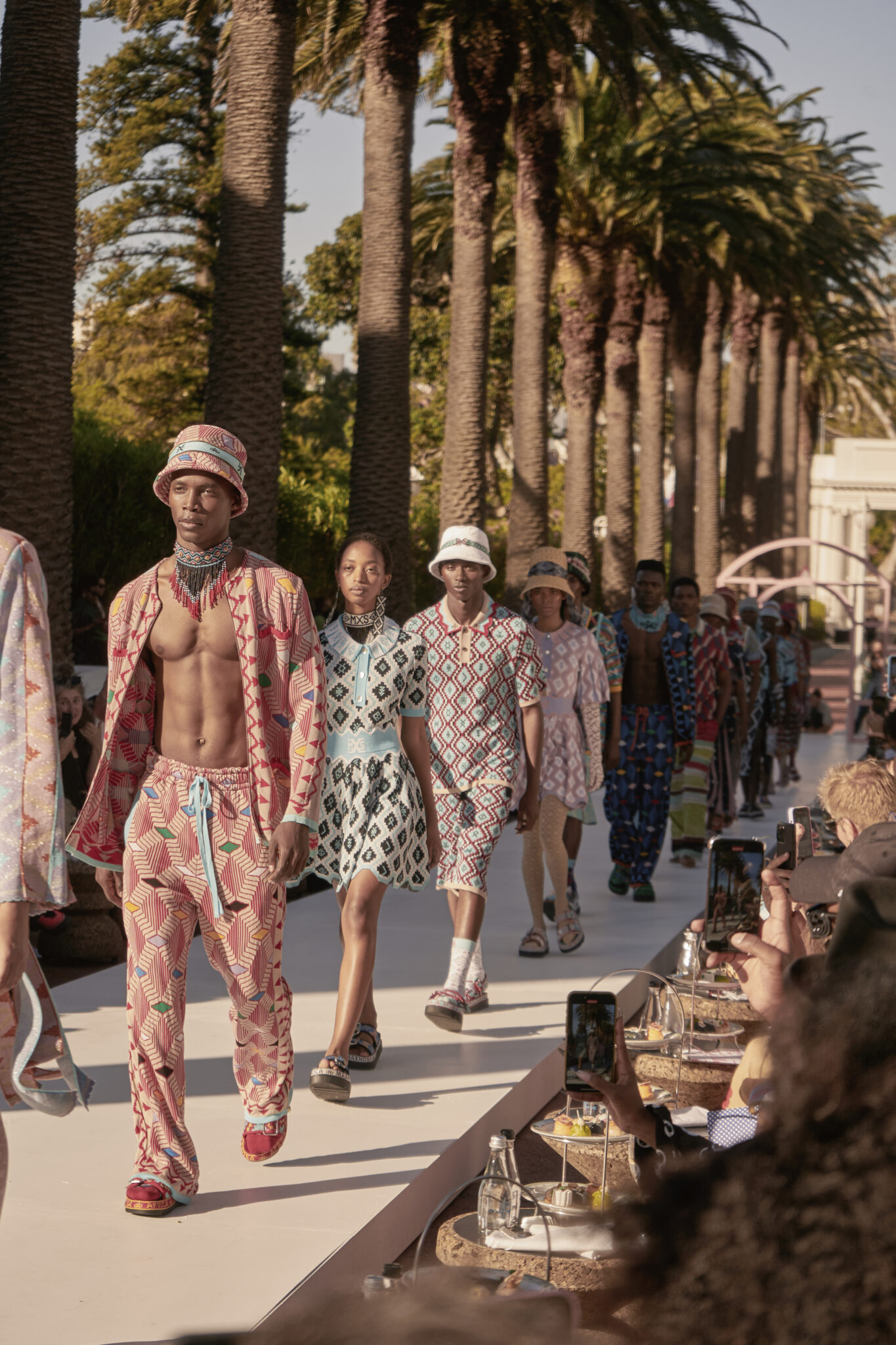
In sustainable fashion, the story does not begin and end with the garment. Sustainability lives in the fibre, the hands that made each garment, the landscape that inspired it and the values a brand chooses to place at the centre of its work.
“This is why, when shooting sustainable fashion for a clothing company, location matters deeply. A natural environment – such as the Cape Overberg in South Africa – can do more than provide a impactful backdrop. It can help to communicate the essence of slow, considered and earth-conscious design,” says Charles Edelstein, director of Travex.com, an independent platform for guided photography workshops and global tours.
Yes, fashion photography has long fallen back on controlled studio settings: seamless backdrops, artificial lighting, polished surfaces and carefully constructed sets. While these can be useful and help save on location expenses, they do not always reflect the principles of sustainability. “When a clothing brand has been premised on natural fibres, ethical production, low-impact design and a connection to place, photographing these garments in nature allows the visuals to feel more honest and aligned,” says Charles.
A landscape that tells the story
The Cape Overberg offers a particularly powerful setting for this kind of storytelling. With rolling fields, mountain ranges, fynbos, historic farm roads, textured stone walls and changing seasonal light, the region gives fashion imagery a sense of atmosphere that cannot be manufactured. Early morning mist over the farmlands, golden-hour light across the hills, or the earthy tones of a dry summer landscape can all echo the values of garments made with intention.
Sustainable fashion is often about slowing down. It asks consumers to pause, consider where their clothing comes from and invest in pieces that will last, say experts from the Ellen MacArthur Foundation in its work on accelerating the circular economy transition. Further, natural environments support this message visually, according to the UN Environment Programme (UNEP), which advocates for sustainable fashion communication as a highly visible engine for lifestyle change and consumer education.
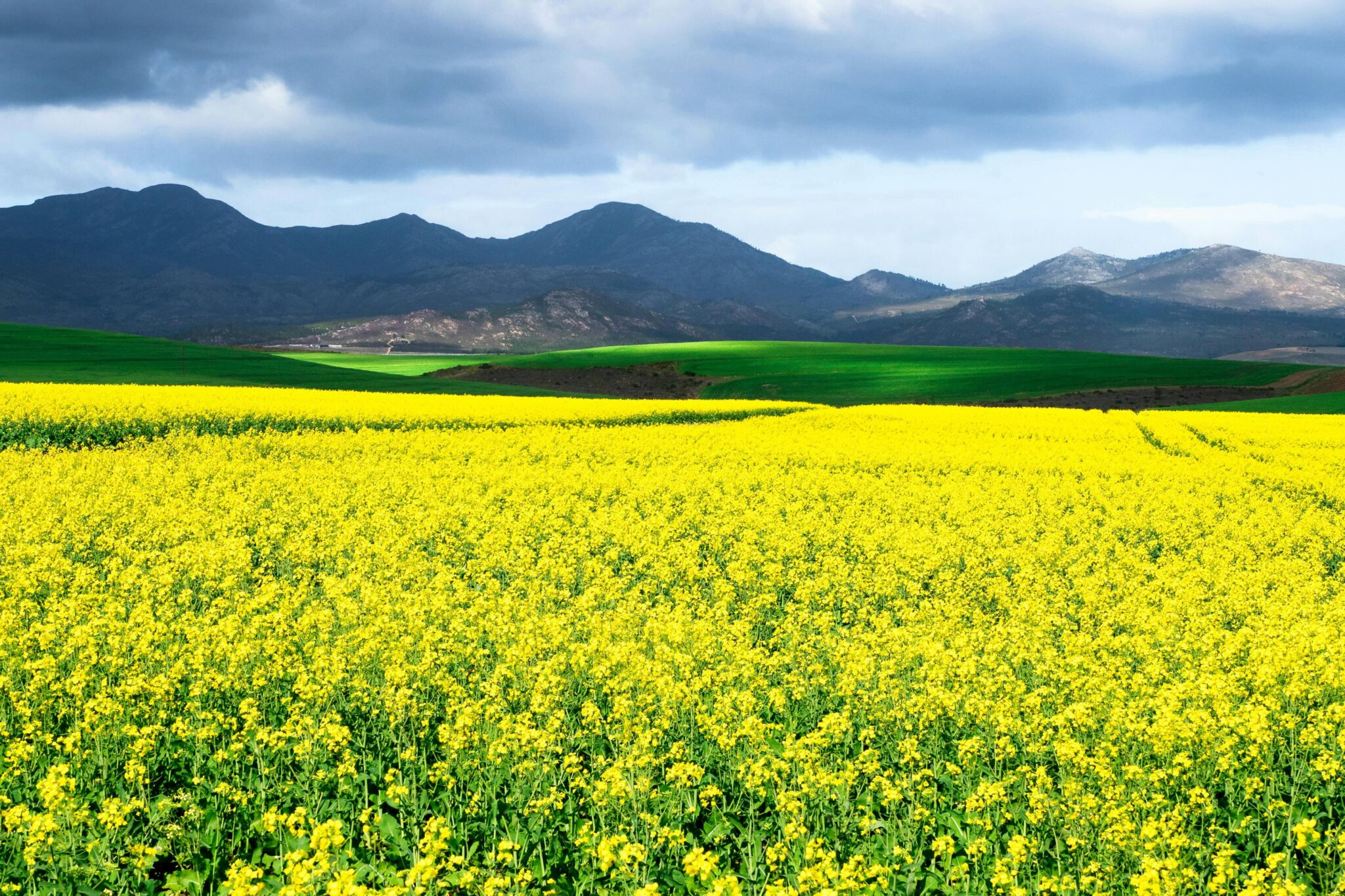
A canola field in the Overberg. Image: Jean van der Meulen | Pexels
A model walking through a Cape Overberg canola field, leaning against a weathered wall, or standing beneath open sky suggests movement, ease and longevity. The clothing items become part of a lived environment, rather than isolated products waiting to be purchased.
Moving beyond over-produced imagery
Scheduling photoshoots in outdoor settings also helps brands move away from over-produced imagery – because photoshopping after the time is going to add little to the impetus of nature. “Sustainable fashion does not need to shout. It often works best when it feels grounded, tactile and real. Natural textures, such as bark, grass, stone, soil, water and leaves can mirror the textures of linen, cotton, wool, hemp and naturally dyed fabrics. Instead of relying on heavy styling, the environment does some of the storytelling,” is Charles’ take.
There is also an emotional benefit. “Consumers are increasingly aware of greenwashing and overly polished sustainability claims. A thoughtful shoot in a natural setting can help build trust, especially when the imagery feels connected to the brand’s materials, values and place of origin,” he says.
Planning shoots with purpose and respect
For South African clothing companies, an Overberg photography shoot can also embed the brand in a local context. It says: this garment belongs to a specific climate, culture and environment. Of course, shooting in nature must be done responsibly. “Sustainable fashion brands should apply the same care to photoshoot production as they do to garment production. This means choosing locations with permission, protecting sensitive ecosystems, minimising waste, avoiding unnecessary props, working with local teams where possible and planning carefully to reduce travel impact. The goal is not simply to use nature as decoration, but to engage with it respectfully.”
Timing is equally important. “Natural light changes quickly and different seasons will tell different stories. A spring shoot in the Cape Overberg may feel fresh and romantic, while a late-summer shoot can be warm, dry and earthy. Winter brings moodier skies and deeper tones. When planned well, the season becomes part of the campaign’s deeper narrative,” says Charles, who has a keen eye with a camera outside of his day job.
In sustainable fashion, the best images are not only aesthetically appealing but coherent. They connect a garment to the ground beneath it, the air around it and the values behind it. Natural settings, such as those to be found on an Overberg photography shoot, help clothing companies create visual stories that feel slower, more intentional and more truthful.
In a world overwhelmed by fast fashion imagery, nature offers something rare: space, texture and meaning. For brands committed to sustainability, this may be the most powerful backdrop of all.
- Visit Travex.com to explore your photography setting of choice
- Feature image: Andrea Gambirasio | Pexels
- This is a sponsored post and reflects the opinion of the sponsor