Laetus Buberwa watched his mother work long hours but earn very little from selling raw seaweed in Tanzania. Md Ridwan Hossain noticed how Bangladeshi factory workers strain their eyes for hours, doing a job that technology could make easier and better. During her PhD studies in South Africa, Swedish scientist Anna Rising studied how spiders produce their silk and wondered why we can’t do the same. Observing carefully what needs to be done and creating solutions to a problem has earned these people – along with seven others – a 2026 Global Change Award.
Since 2015, the Global Change Award has supported innovation teams to help fix the fashion and textile industry, which remains a significant contributor to global greenhouse gas emissions.
Each winner of the ten winners has won a €200,000 grant and a year-long mentorship programme provided by the H&M Foundation in collaboration with strategic partners Accenture and KTH Royal Institute of Technology.
The 10 winners are:
Agro-Lyocell by Canvaloop

Shreyans Kokra is the founder and CEO of CanvaLoop
From India, Canvaloop is developing forest-free textile fibres made from agricultural waste, offering an alternative to conventional wood-based fibre production. By transforming crop residues into textile-grade cellulose, the company aims to reduce the environmental impact of the fashion industry while creating value from materials that are often discarded or burned.
“Every year, millions of tonnes of agricultural waste are burned while the industry cuts down trees for fibre. We’re connecting those two problems and turning waste into a resource,” says founder and CEO Shreyans Kokra.
By diverting agricultural waste from open-field burning, the innovation helps reduce greenhouse gas emissions and air pollution while decreasing reliance on forests used in conventional fibre production. It also creates additional income opportunities for farmers and supports more inclusive value chains.
Canvaloop is currently optimising its process. The company has established a laboratory-scale method for converting agricultural residues into dissolving-grade cellulose and has successfully validated multiple feedstocks. The next step is pilot-scale fibre production.
Find out more on the Canvaloop website.
Alu
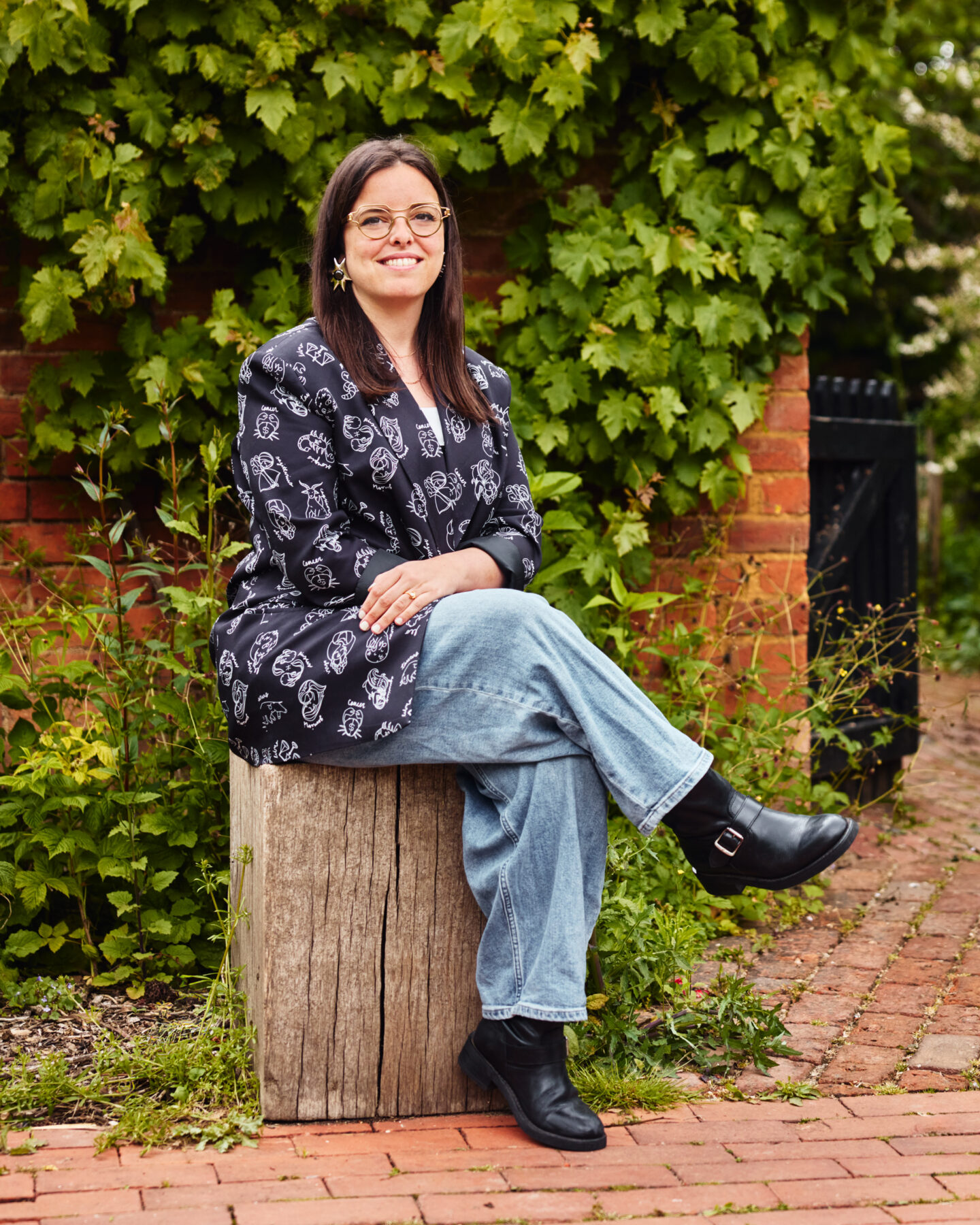
Founder and CEO of Alu, Donatela Bellone is committed to repairing the relationships between people, their things, each other and the world we share
From the United States, Alu is transforming digital product passports from compliance tools into interactive platforms that encourage repair, resale, rental and recycling. Using behavioural design and artificial intelligence, the platform aims to help consumers keep products in use for longer.
“Most digital product passports stop at compliance. Alu uses behavioural design to make circular actions easy and rewarding, helping products stay in use longer while creating new post-purchase opportunities for brands,” says founder Donatela Bellone.
The innovation seeks to bridge the gap between information and action. Rather than simply tracking products, Alu integrates circular services into the customer experience, encouraging more sustainable consumer behaviour and extending product lifespans.
The platform is currently in the early pilot stage, with prototypes developed and partnerships in place to test how interactive product passports influence consumer behaviour.
Find out more on the Alu website.
RheaCycle by Rhea's Factory

RheaCycle’s founders Dr. Arzu Sandıkçı and Mert Topcu are reimagining the future of plastics by transforming waste into raw material through AI-powered enzymatic recycling
From the United States, RheaCycle by Rhea’s Factory is developing a new approach to textile recycling using AI-designed enzymes to break down polyester waste into its original chemical building blocks. These recovered materials can then be used to produce new fibres, creating a circular alternative to conventional fossil-based production.
Since most garments are made from complex blends that existing recycling methods cannot separate, very few textiles are recycled back into new materials. As a result, materials that still hold value are lost from the system.
“Less than 1% of textiles are recycled back into new fibres today. We’re changing that by making complex, real-world textile waste a viable resource for circular materials,” says founder and CEO Arzu Sandıkçı.
By replacing fossil-based recycling processes with biological alternatives, RheaCycle aims to reduce waste while keeping valuable materials in circulation. RheaCycle has validated its enzyme process at kilogram scale and achieved more than 99% purity in recovered materials. The team is now preparing recycled inputs for conversion into new fibres and prototype garments with global fashion partners.
Find out more on the RheaCycle’s website.
MicroBlue by Microbeworks

MicroBlue by Microbeworks’ Sakshi Gore and Suchitha Raghunathan have developed microbe-derived blue dye for textile
MicroBlue is developing biodegradable textile dyes produced through microbial fermentation. Designed to work with existing dyeing systems in India, the innovation offers a lower-impact alternative to conventional dyes without requiring manufacturers to invest in new infrastructure.
“Dyeing is one of the most polluting steps in fashion, but the industry doesn’t just need safer dyes, it needs dyes that actually work at scale. That’s what we’re building,” says CEO Suchitha Raghunathan. Unlike conventional dyes, MicroBlue leaves behind no toxic residues. The dyes are biodegradable, non-toxic in aquatic environments, and produced using less energy and fewer harmful chemicals.
Because the dyes are designed as a drop-in solution, they can be adopted more easily across existing supply chains. Cleaner technologies should not be limited to a premium segment, but available to the wider industry. “We want to make sure cleaner choices are not a luxury,” say the founders.
MicroBlue is currently in the pilot stage, with small-scale production established and successful testing across multiple fabrics using standard dyeing processes. The team is now working with partners to validate performance and scale production.
Find out more on the MicroBlue website.
ArtSilk

Anna Rising and Benjamin Schmuck create spider silk-inspired fibres using microorganisms
As a PhD student in Sweden, Anna Rising travelled to South Africa to study spiders in their natural environment, observing how they produce silk. This raised a question: why can’t we make materials the same way? That question became the starting point for ArtSilk – a fibre inspired by how nature works, and designed to fit within it.
Along with her partner at ArtSilk, Benjamin Schmuck, Anna have found a way to produce silk using microorganisms that convert renewable resources into proteins, the same building blocks found in natural silk. These proteins are then spun into fibres using a water-based process, avoiding the need for harsh chemicals or high energy input.
Produced through bio-based processes, the fibres are both recyclable and biodegradable, offering an alternative to fossil-based and chemically intensive materials.
ArtSilk has developed a scalable microbial production system and demonstrated fibre production at kilogram scale. The next phase will focus on translating the material into yarns and textile prototypes.
Find out more on the ArtSilk website.
EntroMetrix
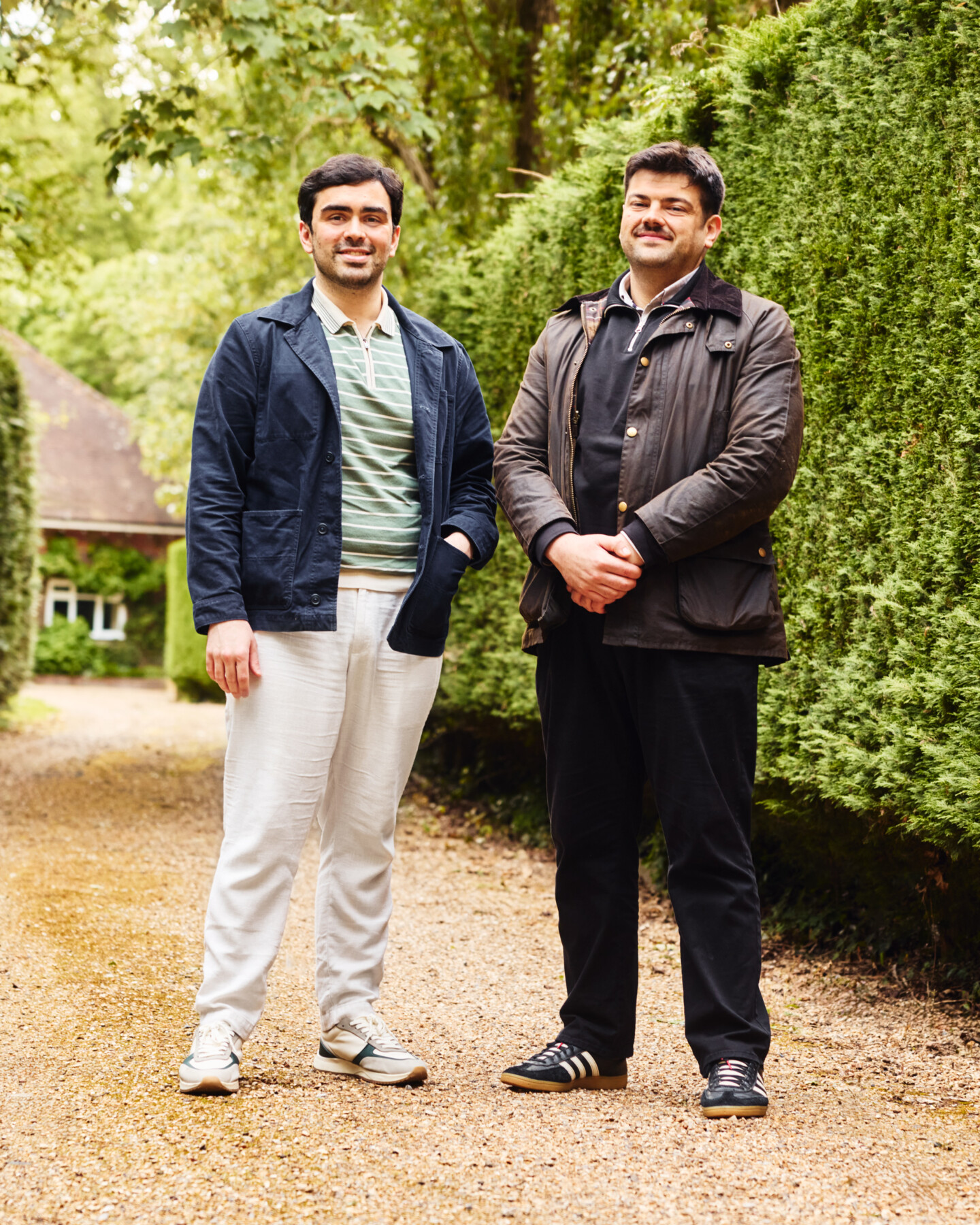
Iusiph Eiubovi and Mohammed Ali have developed AI models to optimise energy and material use in manufacturing.
From the United Kingdom, EntroMetrix uses artificial intelligence to create digital twins of manufacturing operations, enabling factories to identify inefficiencies and optimise energy and material use. The virtual models provide real-time insights into production systems, helping manufacturers improve performance without investing in new infrastructure.
“Factories don’t become inefficient by design; it happens when small disruptions build up across production. We’re helping manufacturers stabilise their operations in real time, so they use less energy, waste fewer materials, and run more efficiently,” says CEO Mohammed Ali.
The technology tackles resource waste at its source by continuously analysing live factory data and identifying inefficiencies before they spread through production. This can reduce both environmental impacts and operating costs.
“Some of the biggest gains don’t come from replacing systems,” Mohammed says. “They come from understanding how they already work.”
EntroMetrix has already validated its technology through pilots in industrial environments, achieving energy-intensity reductions of around 11%. The company is now focused on scaling deployment and broadening adoption.
Find out more on the EntroMetrix website.
Fiberly

Bénédicte Quinta is the founder of Fiberly that turns textile waste into precision-engineered, cotton-like fibres
Fiberly is developing cotton-like fibres made entirely from textile waste. The French company extracts cellulose from discarded textiles and restructures it to replicate the look and feel of cotton using green chemistry.
“Cotton is becoming harder to rely on due to climate and resource constraints, but there’s no real alternative that matches its look and feel at scale. We’re creating that alternative from materials that already exist,” says founder and CEO Bénédicte Quinta.
By replacing virgin cotton inputs with recycled materials, Fiberly aims to reduce pressure on farmland, water resources and pesticide use. The technology also addresses one of the key challenges in textile recycling: producing fibres that closely match the performance of conventional cotton.
The company is currently in the validation stage and has moved from prototyping into pilot-scale testing. Its next focus is advancing production through its dedicated laboratory and pilot spinning setup.
Find out more on the Fiberly website.
Tera Mira
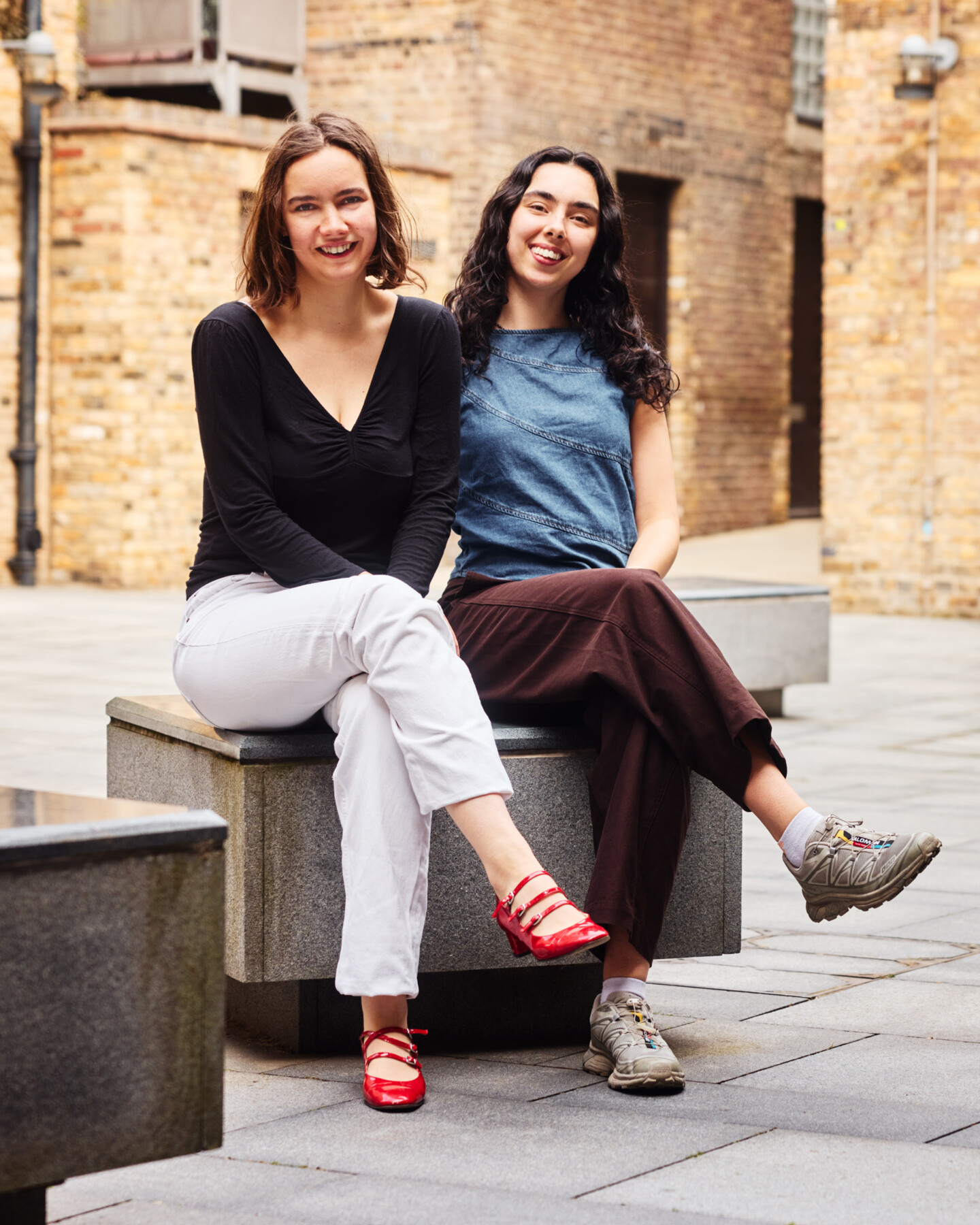
At Tera Mira, Jeanne Begon-Lours and Lucy Dain-Williams turn seaweed into stretch fibres, replacing elastane with a bio-based alternative
From the United Kingdom, Tera Mira is developing a bio-based alternative to elastane using seaweed. The company converts seaweed into stretch fibres through a low-temperature, solvent-free process designed to integrate into existing textile manufacturing systems.
“Elastane might make up a small part of a garment, but it has a big impact since it blocks recycling and keeps textiles dependent on fossil materials. We’re removing that barrier,” says co-founder and CEO Jeanne Begon-Lours.
Because elastane is difficult to recycle and relies on fossil-based inputs, it presents a significant challenge for circular fashion. Tera Mira’s seaweed-based alternative aims to reduce microplastic pollution while supporting more resilient and localised supply chains.
The company is currently moving from concept to validation and has already demonstrated lab-scale fibre production that meets key stretch-performance benchmarks. The next step is pilot-scale testing.
Find out more on the Tera Mira website.
threadBridge
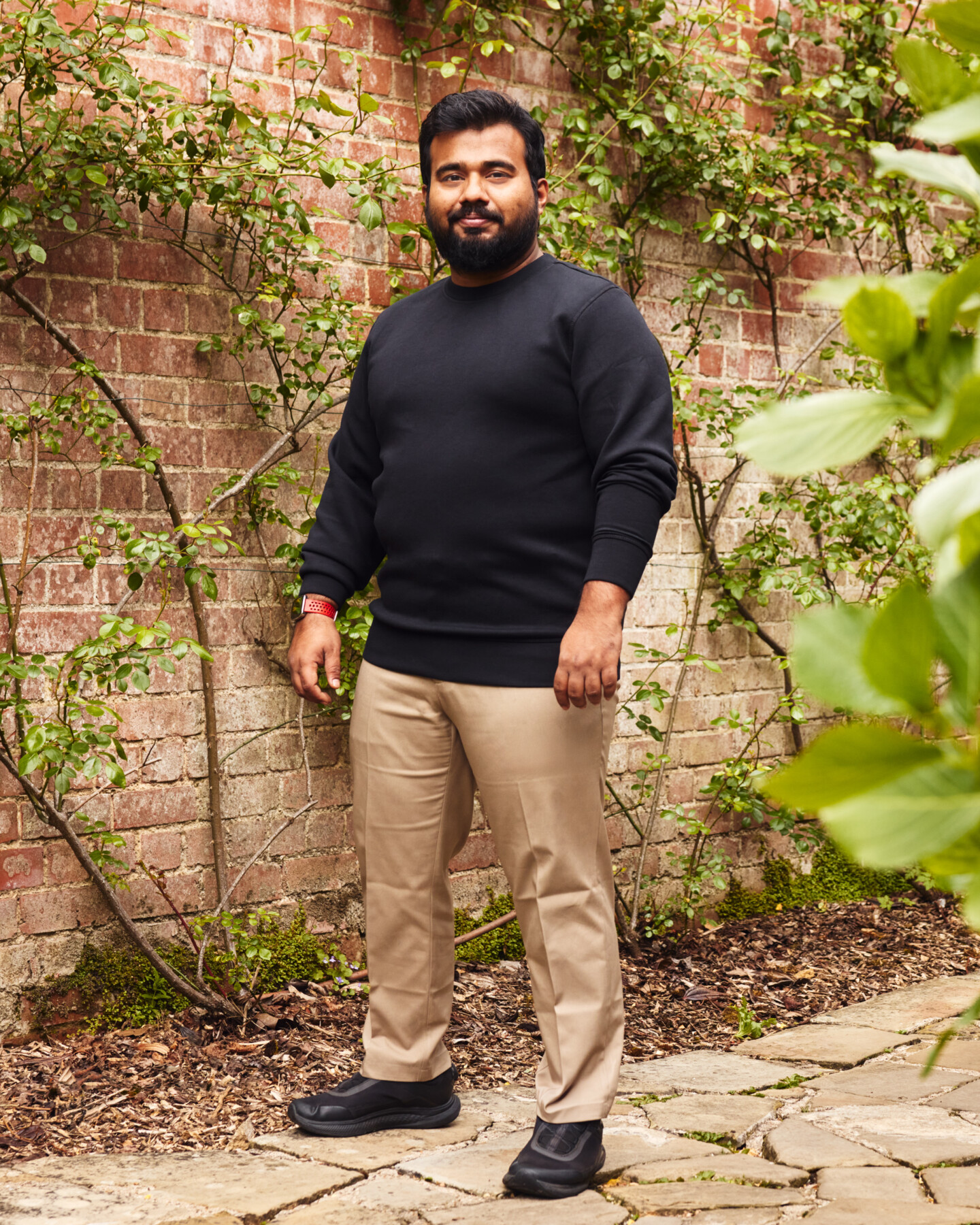
Md Ridwan Hossain has developed AI-powered smart glasses to help workers detect defects on the factory floor
From Bangladesh, threadBridge uses AI-powered smart glasses to detect fabric defects in real time, helping manufacturers identify problems before fabrics are cut and assembled. The system combines wearable technology, integrated cameras and machine learning to improve quality control and reduce material waste.
“Every metre of fabric carries a carbon cost and today, much of it is wasted because defects are caught too late. We’re helping factories see and fix issues before cutting, so that resource isn’t lost,” says team lead Md Ridwan Hossain.
By identifying defects earlier in the production process, threadBridge helps reduce waste while improving factory efficiency. The technology also supports workers by reducing the strain of manual inspection while keeping human expertise central to quality control.
“I am from Bangladesh,” says Ridwan. “The textile industry is the backbone of our economy, it employs millions of people. When I was on those factory floors, I didn’t see an abstract business problem. I saw our industry being held back by a process that nobody had bothered to modernize. I saw workers straining their eyes for hours, doing a job that technology could make easier and better.”
The company is moving from validation to pilot stage. Its machine-learning model has achieved 98.4% accuracy in detecting key fabric defects, and the team is preparing for factory deployment with industry partners.
Find out more on the threadBridge website.
KelTex
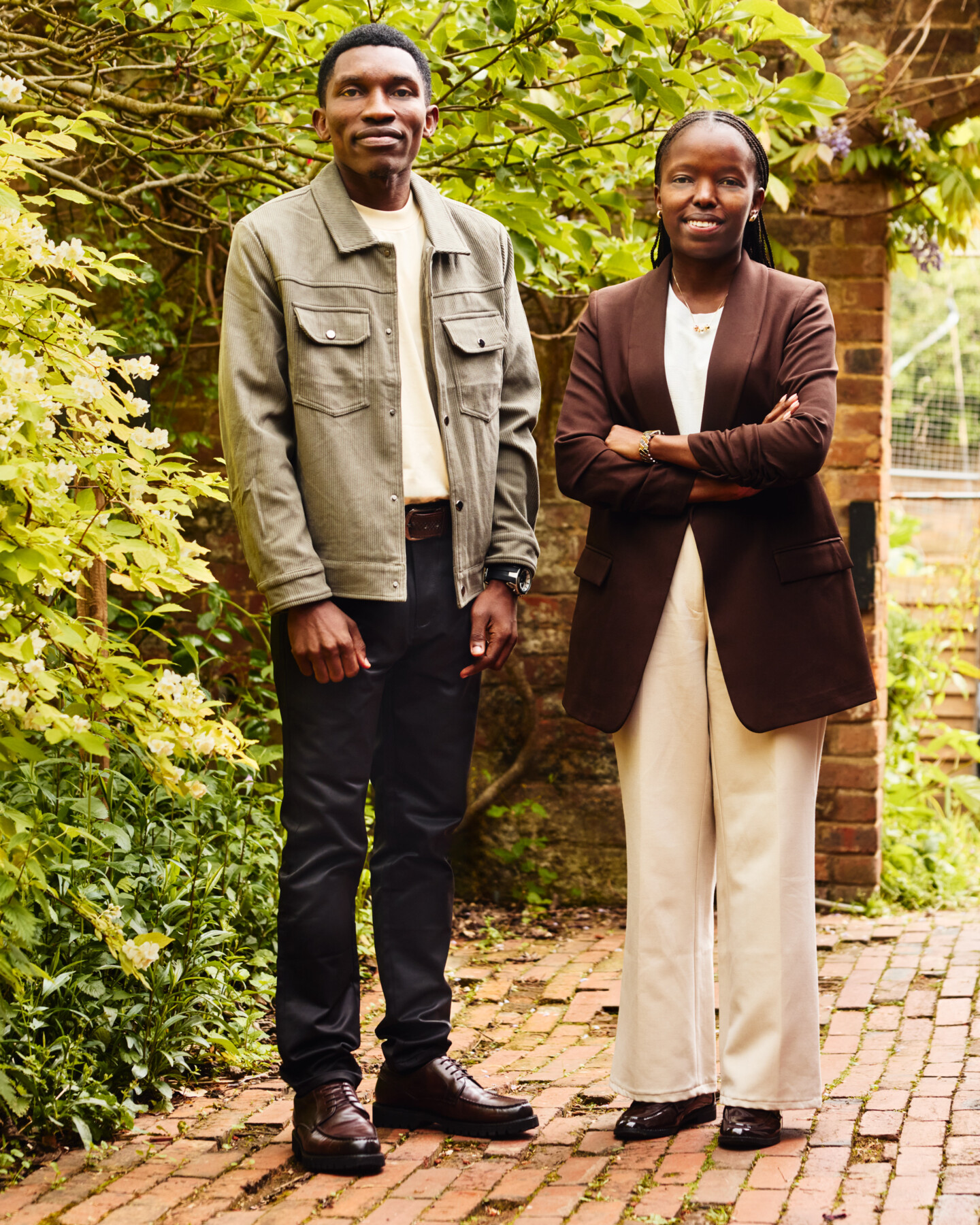
Laetus Buberwa and Neema Walter produce a leather-like material from seaweed that is strong, flexible, and biodegradable
From Tanzania, Keltex is developing biodegradable leather alternatives made from seaweed. Using AI-optimised seaweed cultivation and biopolymer extraction, the company aims to replace both animal leather and synthetic alternatives with a lower-impact material.
“Leather comes with a heavy environmental cost, whether it’s animal or synthetic. We’re creating an alternative from seaweed that avoids those trade-offs,” says founder and CEO Laetus Buberwa.
The innovation draws on one of the ocean’s fastest-growing resources and requires no land, freshwater or fertilisers. It also supports local livelihoods through seaweed farming while reducing reliance on resource-intensive materials.
Keltex is currently in the pilot stage, with prototypes tested for durability, flexibility and biodegradability. The company is preparing a pilot plant for 2026 while refining its production processes and supply chains.
Find out more on the Keltex website.