Ahead of our virtual screening of THE STORY OF PLASTIC, here is a short review to encourage you to book for the 16 July 2020 event. There is a limited number of tickets available.
Needing change, visual artist Rose-Marie Burger moved to an isolated farm in the Northern Cape last year. There, she lives off the grid and focuses on her art. She specialises in bold, line work which celebrates the female form. “I...
We have all become more aware of the environmental impact of our clothing choices. The fashion industry has seen a rise in “green”, “eco” and “sustainable” clothing. This includes an increase in the use of natural fibres, such as wool,...
Masego Morgan has been talking about sustainable fashion and ethical practices long before most of us had added the word “sustainable” to our vocabulary. She uses Instagram as a platform to talk about issues of race, ethics and sustainability. It’s...
The world is hurting. Covid-19. Economic collapse. Systemic racism. Young black women and men are on the frontlines. This Youth Day, Twyg asked nine young creatives who we’ve featured recently to tell us what it all means for them. Siphelele...
We have lost our connection to nature says Zaynab Sadan. The masters science graduate from the University of Cape Town says it was researching and discovering how many different systems co-exist that drove Zaynab’s determination to resolve some of the...
Aaniyah Omardien is the founder and director of The Beach Co-op, a Cape Town-based non-profit organisation which seeks to reconnect people and nature. “As a family of five I realise that we have a heavy footprint and impact on the...
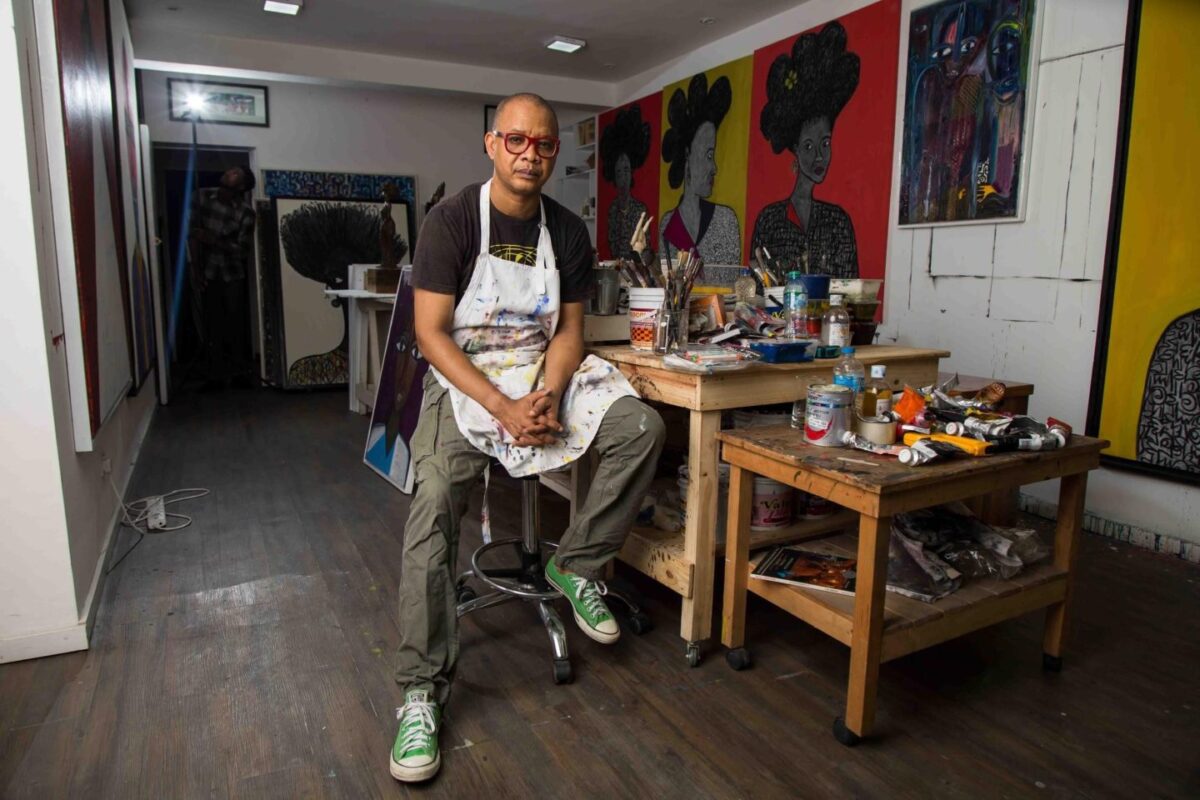
Nigerian contemporary African artist, Victor Ehikhamenor is influenced by “culture and life” and is unafraid to explore current issues. Victor’s formative years were guided by his 87-year-old uncle, one of Nigeria’s oldest photographers who encouraged his nephew to embrace photography,...
The Covid-19 crisis has had devastating consequences both socially and economically. As the number of lockdown days grow in South Africa, so too do the queues of the unemployed and the hungry as businesses battling to keep doors open furlough...
The South African clothing and textile industry responded swiftly to COVID-19 to protect workers, and many businesses are making personal protective gear. Is this enough to sustain a struggling sector?
by Anne Velenturf and Phil Purnell More than 100 billion tonnes of materials entered the global economy in 2017 to generate power, build infrastructure and homes, produce food, and provide consumer goods such as clothes and phones. There are now...
Dan Banik reflects on his studies of secondhand clothes in Malawi. The sale of used clothing is a billion-dollar global industry. According to some estimates, almost 70% of garments that are donated globally end up on the African continent.
It’s not only clothing, but textiles too, that have supply chains and an ecological impact on the planet. For this reason, the platform for fabric innovation, The Sustainable Angle, has called for the “diversification of the fibre basket” and the...
We’re familiar with the negative impact of the industry, but what about the potential solutions? In this extract from Fashionopolis Dana Thomas explores the pros and cons of sewbots. I have heard every pro and every con about the future of robots....
Reclaimers have been excluded from the list of essential services. As result these people, an integral part of our municipal waste management system, are barred from earning a living. Waste pickers or reclaimers are the silent environmental heroes who form...