
Seventy years ago, more than 20,000 women marched to the Union Buildings in Pretoria in one of the defining acts of resistance against apartheid. A new exhibition, The Women’s March to Freedom, at FNB Art Joburg revisits that history through the photographs of acclaimed South African photographer Alf Kumalo (1930 – 2012), whose images captured not only the women who shaped the liberation struggle, but also the intimate and everyday moments that surrounded their resistance.
The exhibition which commemorates and memorialises the women who organised and led the historic march, is produced by MBR PROJECTS, in collaboration with OLAMUK and the Alf Kumalo Estate, and in association with Jonathan Ball and Exclusive Books.
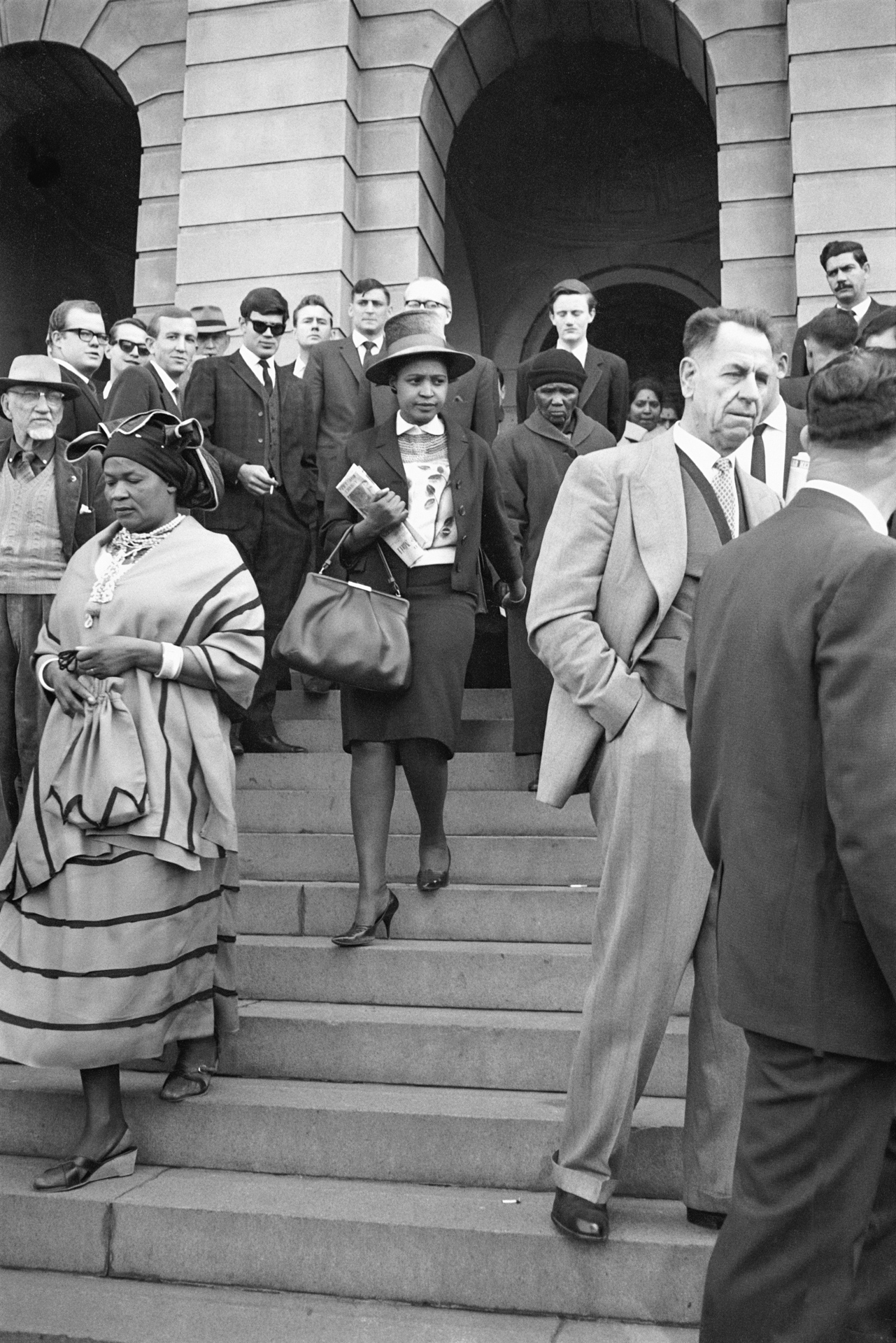
South Africa goes on Trial. Winnie Mandela, Mandela’s mother and Albertina Sisulu-outside the Palace of Justice during the Rivonia Trial. Image: Alf-Kumalo. Courtesy of MBR-PROJECTS OLAMUK
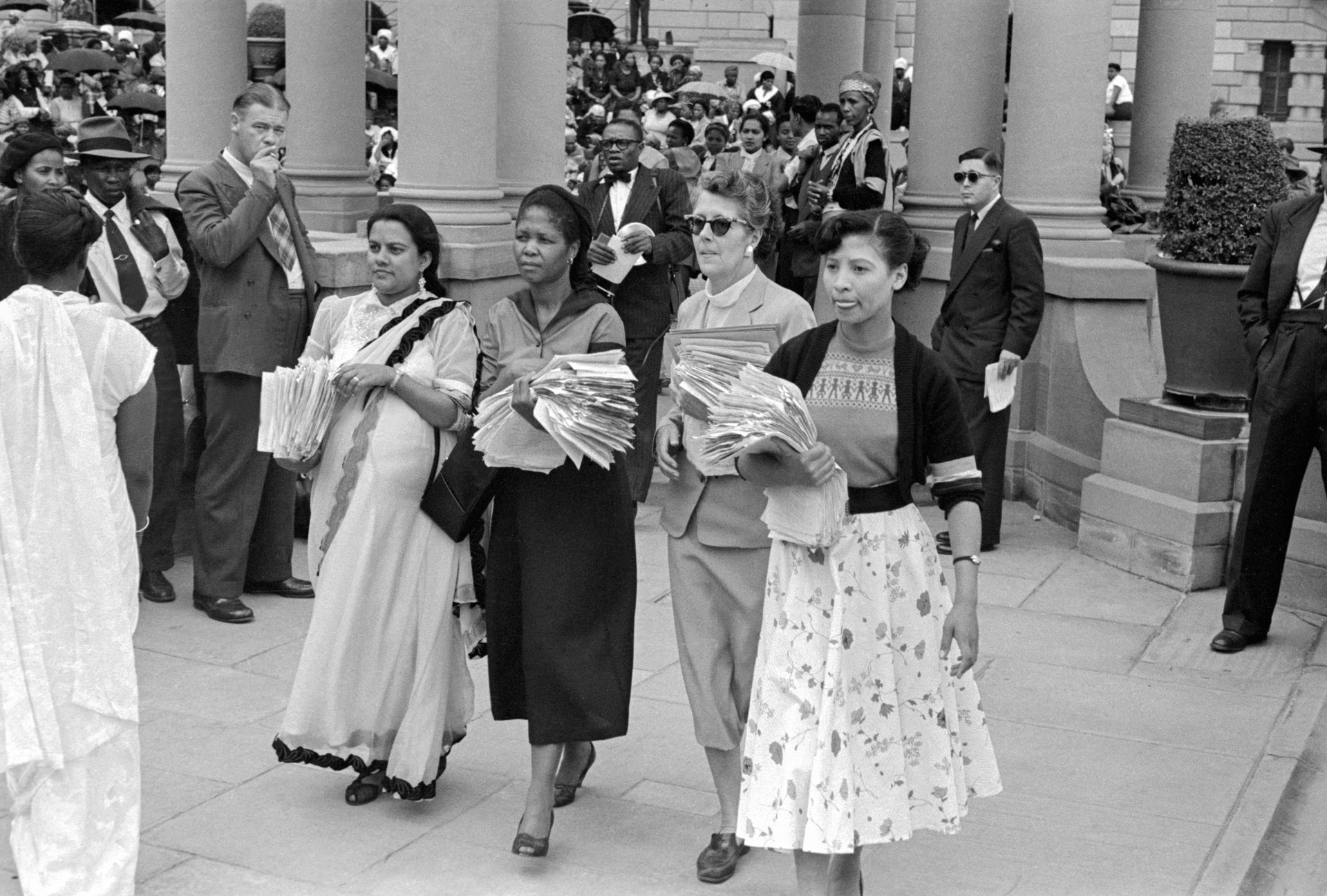
On 9 August 1956, more than 20,000 women under the banner of the Federation of South African Women marched on the Union Buildings in Pretoria. Led by Lilian Ngoyi, Helen Joseph, Rahima Moosa and Sophia Williams-de Bruyn, the marchers delivered petitions bearing more than 100,000 signatures.
Using this historic event as a point of departure, the exhibition follows the story of women in the apartheid era and their centrality to the long “march to freedom.” Through Kumalo’s images, the exhibition traces the emotional depth and vibrancy of their struggle. “His photography is more than art,” wrote Dr. Mamphela Ramphele (one of the celebrated figures who appears in the exhibition) of Kumalo’s work. “[His] eye was ever alert to opportunities to capture an unforgettable moment.”
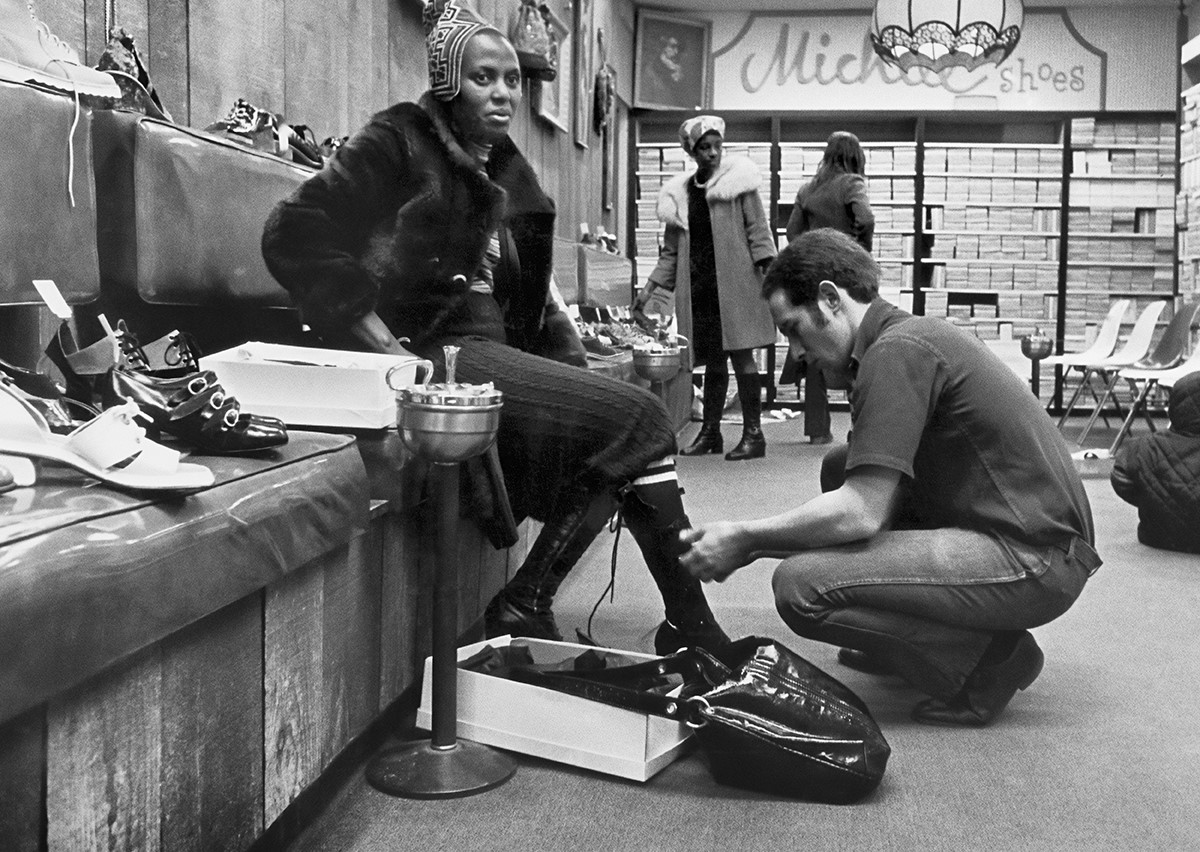
Miriam Makeba experiences a moment that would have been impossible in her home country New-York. Image: Alf Kumalo. Courtesy of MBR PROJECTS & OLAMUK
The Women’s March to Freedom brings together some of Kumalo’s most iconic photographs. Alongside march leaders Ngoyi, Joseph, Moosa and Williams De-Bruyn, the exhibition profiles the lives of Albertina Sisulu, Ruth First, Frances Baard, Bertha Gxowa, Winnie Madikizela-Mandela, Miriam Makeba and other women whose activism shaped the liberation movement — from the factory floor to the trade union hall to the front lines of political resistance.
As Khanya Mashabela (the granddaughter of Kumalo’s friend and fellow journalist Harry Mashabela) writes in her accompanying exhibition essay: “Through this selection of Kumalo’s images, we see the big, historical events and the small gestures of resistance, and we witness the multiplicity of womanhood and the capacity of South Africans to laugh, dance, and make music amidst struggle.”
“Kumalo again demonstrates his ability to capture the human, in-between moments in his photographs of Baard and First, and of Joseph and Gxowa, highlighting the resilience these women showed as they fought for civil rights and faced the cruelty of the apartheid government in response,” says Khanya.
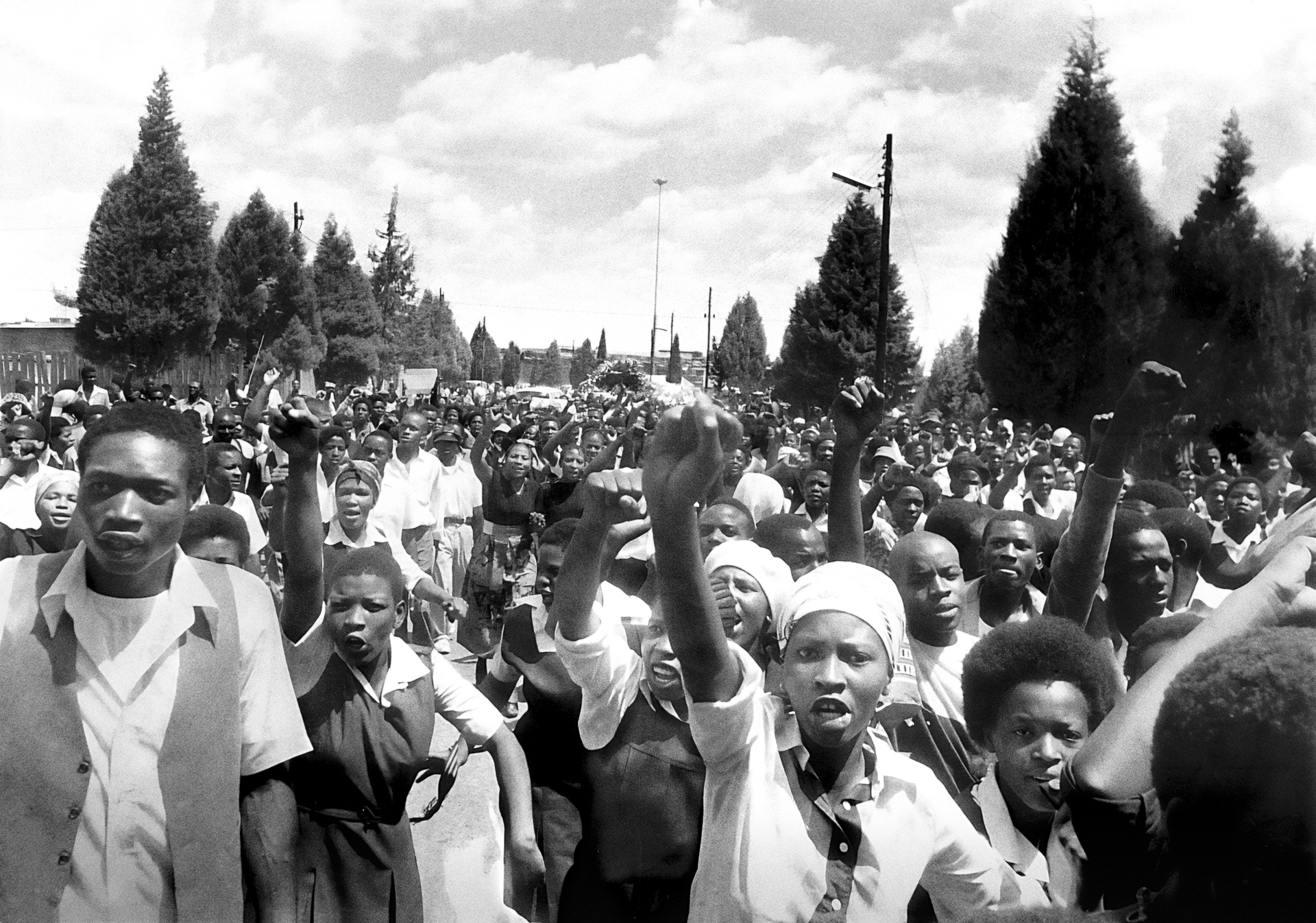
Young mourners enraged by the massacre of June 16 march at the Doornkop Cemetery-in Soweto at the burial of the victims of June 1976. Image: Alf Kumalo. Courtesy of MBR-PROJECTS OLAMUK
The exhibition will be presented at the Jonathan Ball and Exclusive Books booth (INK Section booth #1) with media partner The Manor, where a curated selection of books will accompany the exhibition.
Exhibition details
Title: The women’s march to freedom
Artist and Curator: Alf Kumalo and MBR PROJECTS
Venue: Sandton Convention Centre, Sandton, Johannesburg, 161 Maude St, Sandown, Sandton, 2196
Dates: VIP opening; Thursday 3 September from (12pm-8pm), public opening; 4 September (12pm – 8pm), 5 September (12pm – 7pm) and 6 September 2026 (12pm – 5pm).
- For more details about the exhibition, visit here
- Feature image: The leaders of the Women’s March of 1956 clutch bundles of petitions which they are about to hand over to government officials at the Union Buildings in Pretoria. From left to right are Rahima Moosa, Lilian Ngoyi, Helen Joseph and Sophie Williams-De Bruyn. Photo credit by Alf Kumalo.