Fossil fuels are the elephant in the room at COP28, the United Nations climate conference. It’s the big deal that will be in the small print when the final text from this year’s United Nations climate conference in Dubai, United Arab Emirates is released in the upcoming days. A firmed-up plan on how to wean ourselves off faster for a clean energy transition is still far from clear.
At the heart of the debate is the level of ambition that the countries gathered for this year’s iteration of the high level-conference are prepared to commit to when it comes to phasing out fossil fuels that include coal, gas and oil.
There are a total of 198 currently signed as part of the Conference of the Parties to the United Nations Framework on Climate Change. One of the key issues this year comes down to the wording in the final text around “phasing out” and “phasing down” of fossil fuels and how this applies to “unabated” and “abated” fossil fuels. The United Nations Intergovernmental Panel on Climate Change defines unabated fossil fuels as those “without interventions [such as carbon emissions capture] that substantially reduce greenhouse gas emission”. Timeframes of what “phase out” and “phase down” entail are also not explicit.
Think of our dependence on burning fossil fuels for heating and cooling, transportation and electricity for starters. Then think of our reliance on petroleum. It’s ubiquitous in everyday items from chewing gum, shampoo and lipstick
Exactly how we wean off fossil fuels quickly as a modern humans is tough. It won’t be easy or quick. We have become addicted to burning fossil fuels as the fundamental driver of our world’s energy systems and our economies since the industrial revolution. Think of our dependence on burning fossil fuels for heating and cooling, transportation and electricity for starters. Then think of our reliance on petroleum. It’s ubiquitous in everyday items from chewing gum, shampoo and lipstick. Our plastics-everything world also relies on propylene found in petroleum. And yes, the synthetic fibre of polyester that is the thread of much our clothing is made from petroleum derivatives.
Added to this, fossil fuels remains big money with high stakes vested interests and it continues to drive a highly profitable sector. It means those with big money to protect will fight hard to keep the world from transitioning to clean energy. A Reuters report in February 2023 put profits for the global oil and gas industry in 2022 at $4 trillion, up from previous years of around $1.5 trillion.
But we also know that extractive industries and burning fossil fuels adds to air pollution and is associated with serious health risks. According to the World Health Organization, air pollution can be linked to seven million premature deaths annually. As for the planet, while carbon dioxide (CO2) as a greenhouse gas helps absorb heat radiating from the Earth’s surface, too much CO2 in our atmosphere means too much heat gets absorbed and re-released in a blanket effect, essentially wrapping heat around the planet, causing global warming and climate change.
Our “too much” tipping moment is already upon us. We look set to exceed the scientifically agreed critical threshold temperature of a 1.5 degree Celsius above pre-industrial levels by the next decade. The 1.5-degree Celsius target was agreed to in the Paris Agreement of 2015. According to this year’s World Meteorological Organization’s annual climate report the planet has a 66% chance to breach that critical temperature mark within the next five years.
Coming back to COP 28, more sticking points are obvious to why world leaders are split on getting to decarbonisation agenda faster. The host country this year, the UAE, is one the world’s largest oil producers. As president of COP 28, UAE leader Sultan Al Jaber was reported in The Guardian at the start of COP 28 as claiming that there “no science” behind the call to phase out fossil fuels as a way to reverse spiking temperatures.
Fossil fuel lobbyists at COP 28 have also spiked with Amnesty International putting the number at 2456. It’s a jump up from 636 last year and is being reported as the highest number present at any COP gathering. The Amnesty International programme director for climate economic and social justice and corporate accountability, Marta Schaaf, slammed this, saying: “For COP to allow in thousands of representatives of the fossil fuel industry, which is making vast profits for a wealthy few while trashing the climate for everyone, perverts the very rationale of a meeting whose purpose is to protect the climate and people from further harm.
“Arms dealers are not asked to peace talks, so it is warped to ask climate wreckers for their view on how to fix the damage they have caused when most of them are planning to expand production of fossil fuels, further warming our overheating world, and threatening the rights of billions of people.”
The details in the final text coming out of COP 28 matters for a clear road map to how we will shake our addiction to fossil fuels and get to cleaner energy transition sooner. This COP also marks the end of the two-year Global Stocktake (GST) process that started in Glasgow two years earlier. The UN calls the GST the “critical turning point” and moment for a world to have a “long, hard look at the state of our planet”.
It means world leaders at Dubai should ensure there’s a better stocktake story to tell, not one of more disappointment and delays.
For updates follow:
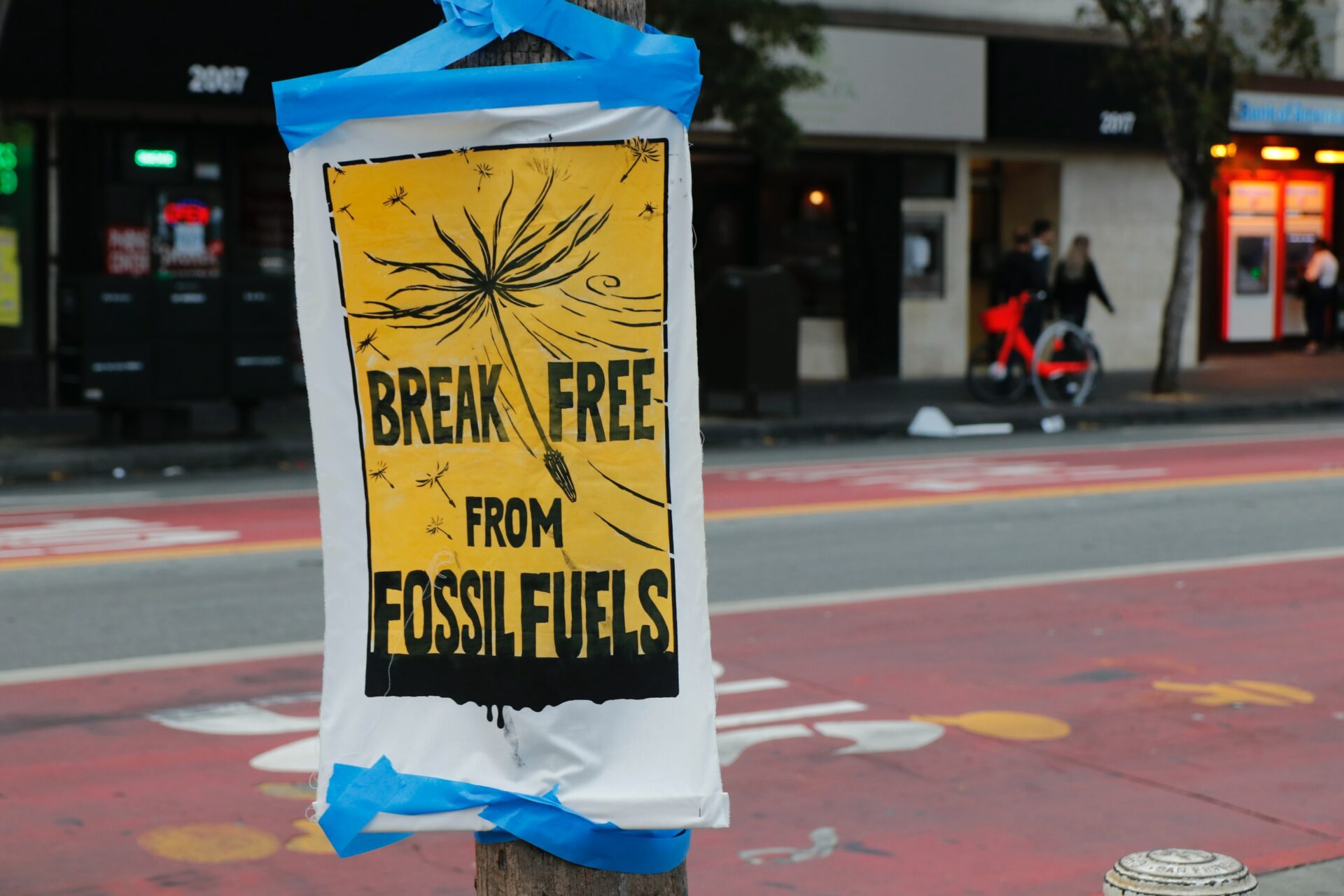
Image: Harrison Haines / Pexels (feature) and Unsplash