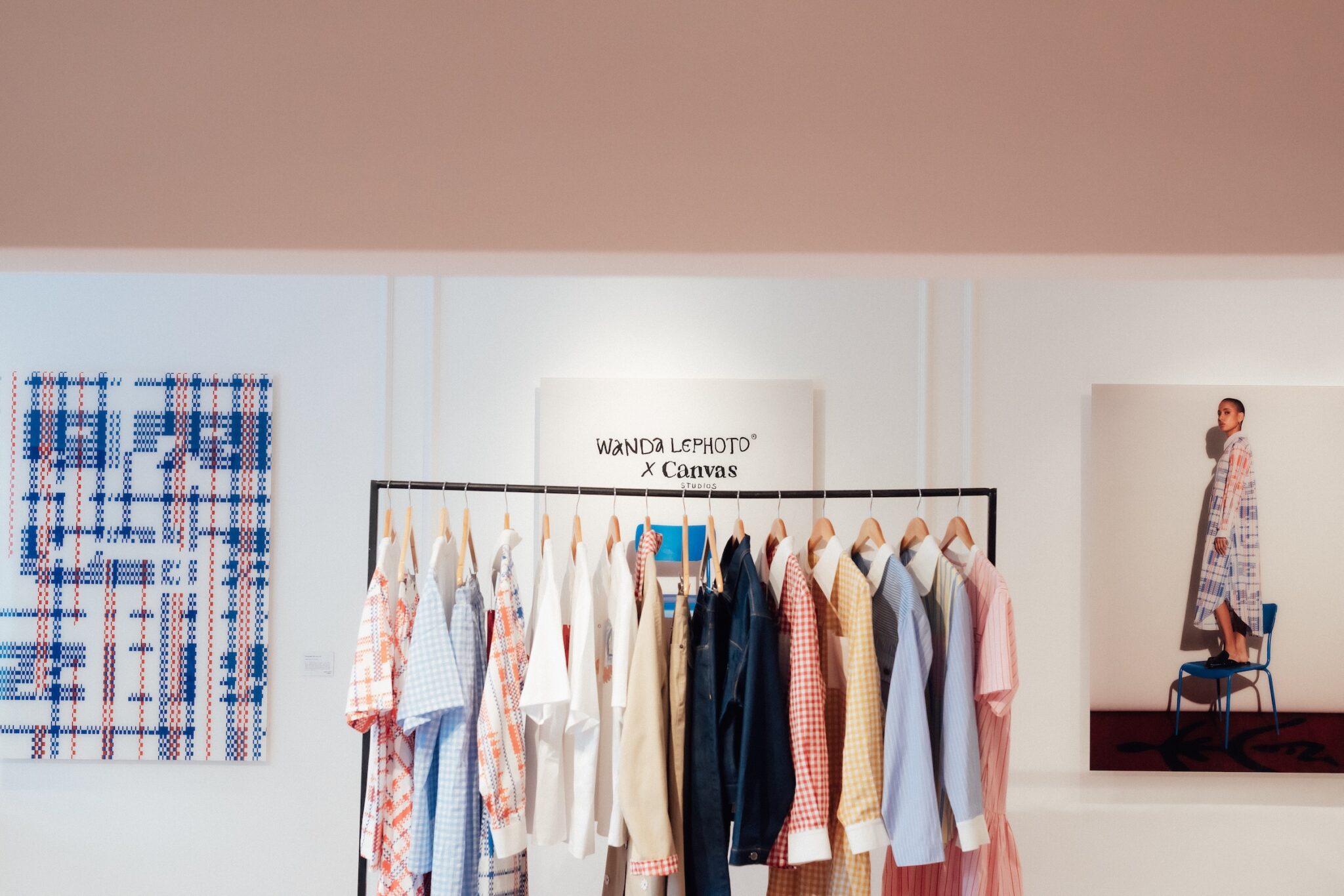
This is the third in a five-part #WhoMadeMyClothes series that centres and celebrates the people who make our clothing for this year’s #FashionRevolutionWeek
Trigger warning: This story contains content that may be triggering for readers who are survivors of sexual assault and abuse. Please read with caution.
With little knowledge of the fashion world, Libaso Dube joined TSHEPO Jeans in 2019. In the years since, she has grown a love for making clothes. Here, Libaso shares her personal story of abuse and how resilience, hard work, and gratitude helped her.
Founded in 2015 by Tshepo Mohlala, TSHEPO Jeans is a fashion brand that makes ready-to-wear denim with sustainability and conscious production stitched into its business ethos. The flagship store, at Victoria Yards in the heart of Johannesburg, is part boutique, part studio, and part hangout space. This is also where the celebrated jeans are made and sold. Among the small, passionate team is Libaso Dube who has been a product checker for three years.
Libaso was born in the small village of Silonga in Zimbabwe. Her family didn’t have money so Libaso was adopted by a family in Botswana who were supposed to send the little seven-year-old to school, but instead they made her work. “I wasn’t learning anything,” she says. “I worked all day for those people, and they gave me nothing in return.”
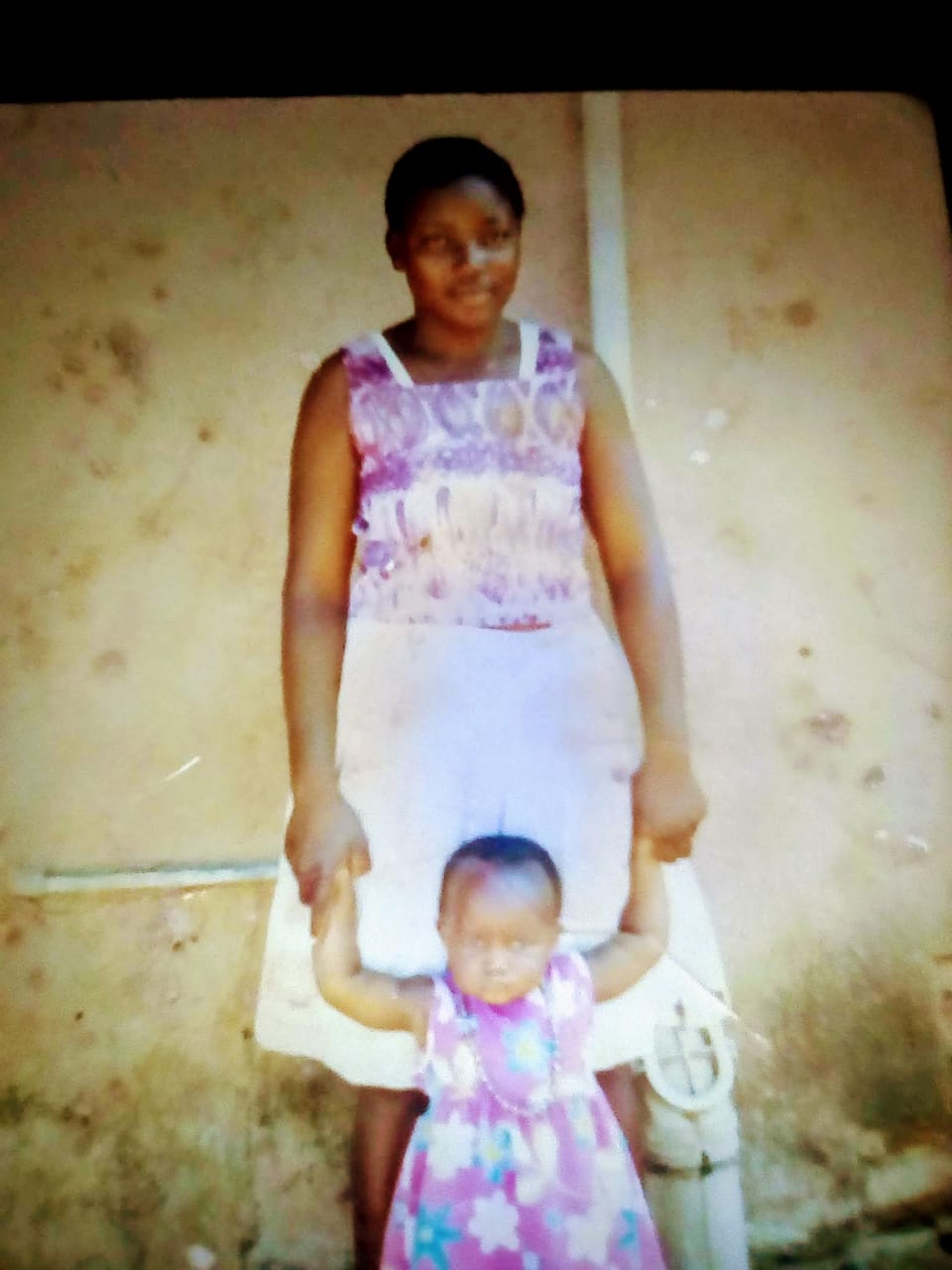
Finally, when she was 17, she returned to her family in Zimbabwe and a year later moved to South Africa. At 21, she got married and but the bliss of new marriage ended when her husband emotionally and physically abused her. She endured the marriage for several years before she left him to raise her children as a single mother. “I felt so lost and alone,” she says.
Libaso’s luck changed when she met a seamstress who introduced her to TSHEPO Jeans. Without knowing anything about fashion or making clothes, Libaso joined the studio where she learnt about fashion and clothes through a programme at The Amsterdam School of Denim. “I was so amazed at the skill and depth of their knowledge,” she says.
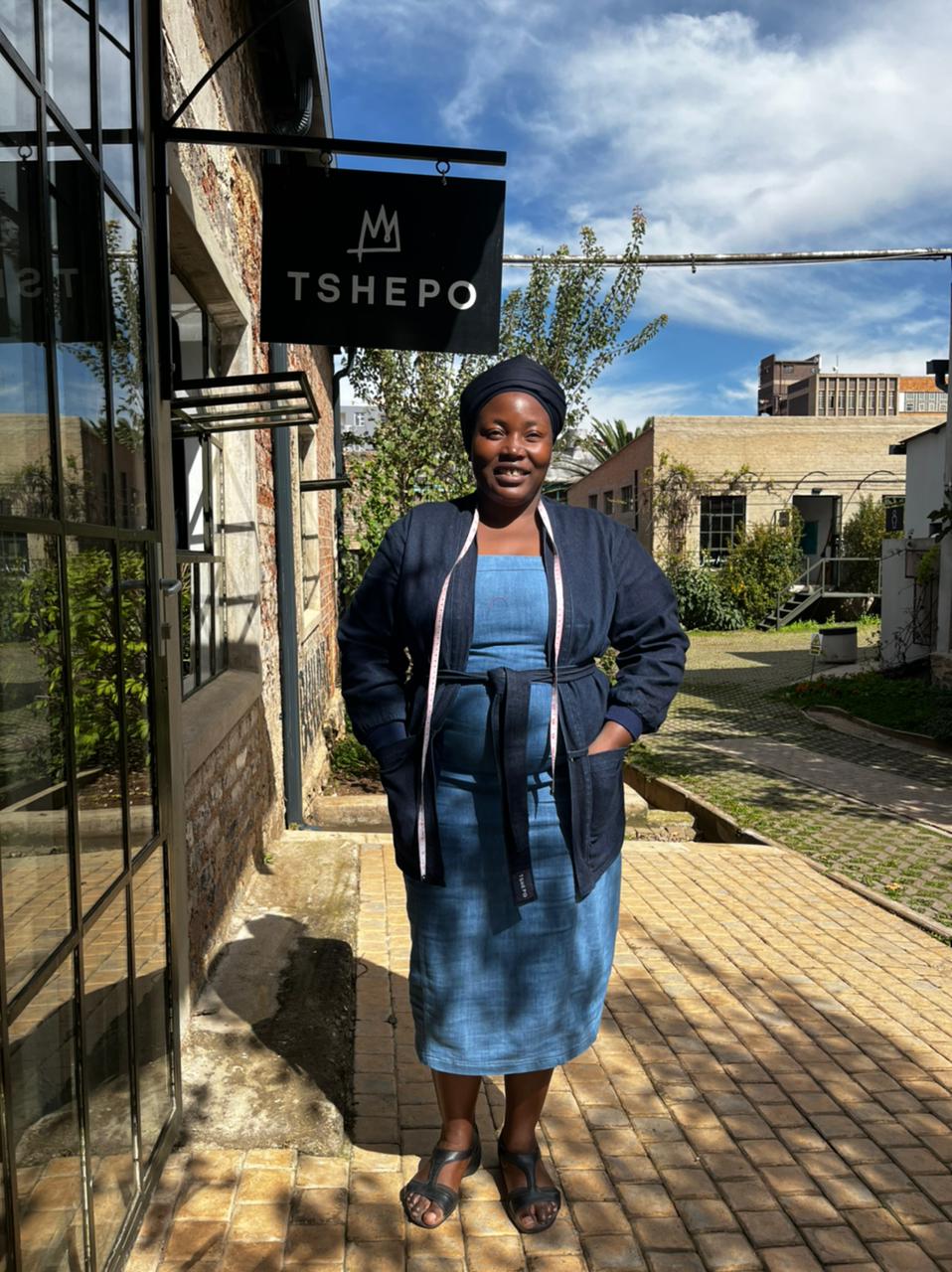
“It was such a blessing to get this job,” she says. “It really saved my life.” Her role is product checking. When a pair of jeans have been made, the product goes to her for ironing and a final quality check. “I learn so much from checking the products; I can see where the mistakes are and I learn what needs to be fixed,” she says. Other parts of her role include painting and bleaching.
While she learnt the basics of sewing from a team of experts, she is currently being trained in garment construction. She wants to help people learn the work of the hands, whether that’s sewing a garment or baking bread (which she learnt at a community upliftment programme at Victoria Yards). She says it’s important for people to work for themselves and not rely on others.
She is interested in uplifting young people and women. As a young girl, Libaso was exploited and doesn’t want other children to endure the same. Libaso wishes to own a studio where she can teach women “Being able to pass down knowledge to others is such a great blessing,” she says.
“I want to give people hope for tomorrow,” she adds.

- If you are a survivor of abuse, contact TEARS free hotline by dialling *134*7355#
- Images supplied by Libaso Dube
- To learn more about TSHEPO Jeans, take a look at their website and follow them on Instagram.
- This article is the third article in a five-part #WhoMadeMyClothes series that aims to centre and celebrate the makers behind our clothing during Fashion Revolution month. To learn more about Fashion Revolution, click here.