
Climate change can feel distant until it shows up at our front door. Last week’s floods across South Africa were not only a weather story, they were a reminder of how deeply connected our environment, food systems and fashion industry really are.
From flooded farms to disrupted fibre production, extreme weather affects far more than roads and homes. It shapes what we grow, what we wear and who carries the greatest risk when climate disasters hit.
Read on to discover what happened, why it keeps happening, and what you can do better.
The rain hit hard
Last week, heavy rain and storms flooded parts of South Africa. In Cape Town, more than 10,700 structures were affected, impacting over 41,000 people.
Climate change increases weather extremes
South Africa’s extreme weather events are becoming more frequent, intense and unpredictable.
A study tracking climate-induced extreme weather from 1920 to 2023 found a general increase in most extreme events, with the Western Cape recording the highest frequency.
Farmers are on the frontline
Floods do not just damage homes and roads. They wash away crops, waterlog soil, delay harvests, damage infrastructure & cut off access to markets.
For small-scale farmers → one flood can mean losing a season’s income.
Fashion starts on farms
Before a garment becomes “fashion”, it starts as a raw material.
Think cotton, wool, leather and mohair. That means fashion is tied to soil, water, grazing land, roads and the people who farm these fibres. When farming is disrupted, fashion is disrupted too.
What do floods do to fashion farmers?
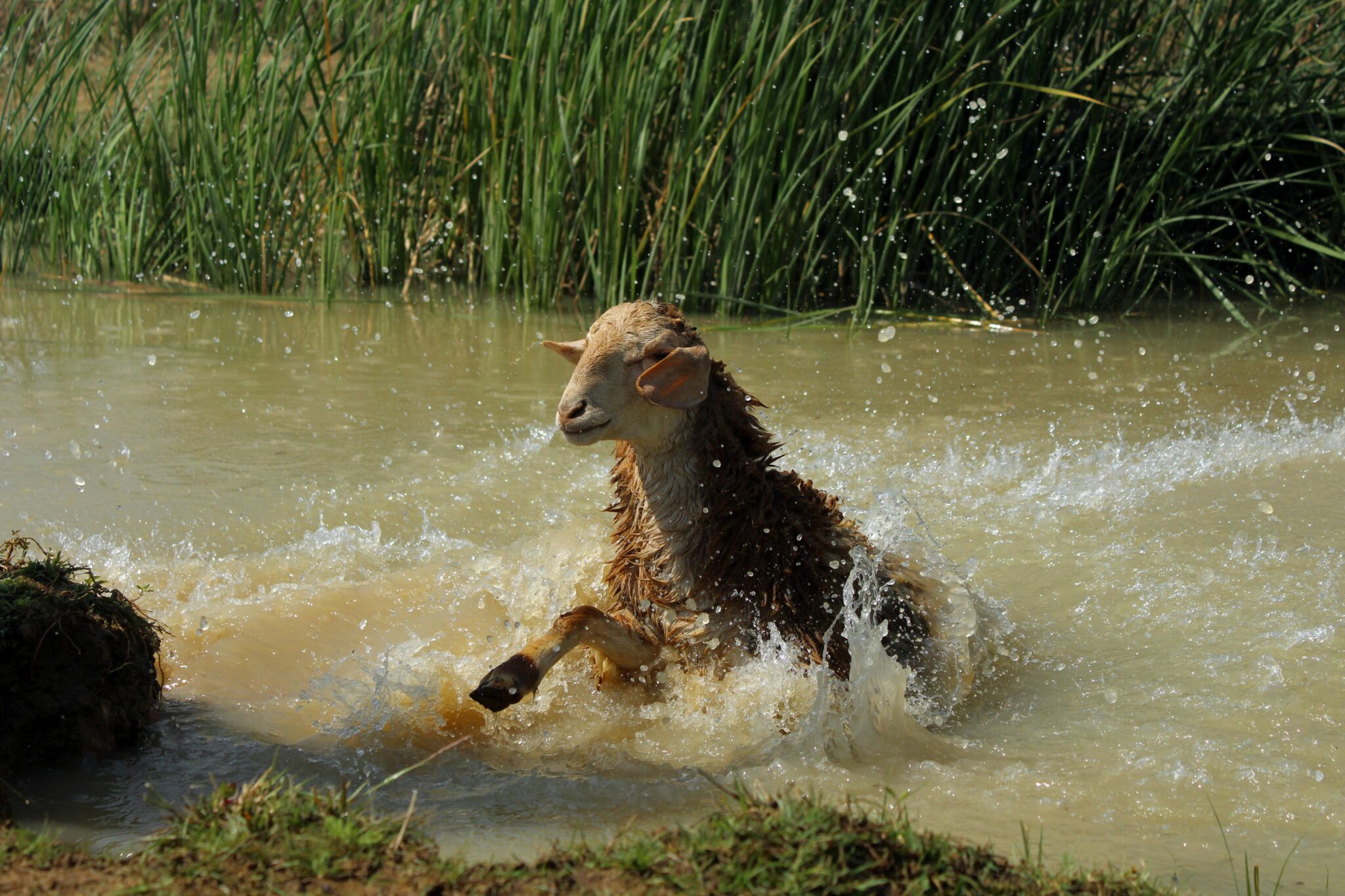
Too much water can drown cotton crops and can impact livestock.
In Mpumalanga, WWF South Africa reported that heavy rains and floods reduced cotton growth for a dry, heat -loving crop.
Flooding can also damage roads, delay transport and make it harder for farmers to keep producing.
The risk is not shared equally
Small-scale farmers are often the least protected.
Many do not have insurance or savings to absorb climate losses. Research on cotton farmers in Zimbabwe also found that farmers are highly vulnerable to climate change, with limited options to adapt.
The people who grow our fibres need more than sympathy. They need support.
So what now?
This is a reason to care more deeply about where our clothes come from.
- Buy less. Choose better.
- Support local and transparent fibre systems.
- Ask brands how they support the farmers in their supply chains.
- And push for climate adaptation that reaches the people growing, grazing and harvesting the materials we wear.
Sustainable fashion starts on the land.
Sources
- African News Agency / IOL
- WWD
- WWF South Africa
- Vutivi Business News
- WWF Apparel and Textiles
- Trends and impacts of climate-induced extreme weather events in South Africa (1920–2023)’, Environmental Development
- Journal of Disaster Risk Studies
Credits
- Feature image by Harshith KS via Pexels
- Read more of our Explainers here