In just over 20 years the story of microplastics has gone from something newly described in 2004 to the dire reality of being overwhelmingly present in what we eat, drink, wear and inhale. And with it has come devastating consequences for human and animal health.
Dr Samiksha Singh is a researcher based at the Gauteng City-Region Observatory, in Johannesburg. The GCRO builds the data and analysis to help inform development in the Gauteng City region. Samiksha’s focus is on the impact of pollution, including plastics, on water systems and how to advance public policy to protect these environmental resources and the communities that live and rely directly on rivers and oceans. Nano plastics are now known to be reproductive and endocrine disruptors because they persist through food chains and ecosystems. The mounting and interconnected challenges presented by our plastic dependency, she says, means addressing the state of microplastics in rivers and oceans decisively needs global action to target the biggest polluters.

Samiksha, who grew up in KwaZulu-Natal, says “Water is Life” slogans and campaigns were ingrained in her at school. She also enjoyed geography and biology, which made the choice to pursue a BSc degree in environmental science at the University of KwaZulu Natal a natural alignment. It was fieldwork though that put her directly in touch with communities who live next to polluted rivers. Seeing how deeply reliant people are on rivers for cleaning, ablutions and other household needs but knowing the risks they were exposing themselves to daily, hit home hard for her. It made water pollution and river and ocean conservation a cornerstone of her research focus.
Samiksha says seeing litter is a sensory affront, it’s immediately relatable and as such can be a useful tool to raise the alarm for urgent collective responsibility, also for joining the dots of the impact of plastics, seeing more plainly the might of corporations who put profit before people and planet, the vice-grip of the fossil fuel industries in our capitalist society and how consumers are swept up in the addiction (and the algorithm) to buy more and to buy now.
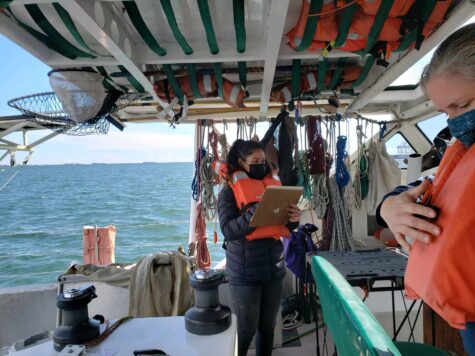

Dr Samiksha Singh, who did her PhD at University of California, believes science informs people and policy, and ultimately drives changes
“We might not be able to see microplastics but we can see litter and pollution. People who live near rivers understand and know that their rivers are in bad shape. While individuals can recycle and make choices like not using single-use plastics, it’s the corporations that can make a difference because of the volumes and scale at which they produce. And they need to be held to account,” she says.
Clothing made from synthetic fibres are derived from petrochemicals that come from petroleum or natural gas
Samiksha also singles out the biggest culprit of microplastics: textiles and clothing. Fashion, in particular fast fashion, is a major source of environmental pollution, Samiksha adds. Clothing made from synthetic fibres are derived from petrochemicals that come from petroleum or natural gas. Through chemical processes like polymerisation they are transformed into fibres used in clothing and textiles like carpets, bedding and curtains. But these fabrics shed microplastics when clothes that have rushed to their end of life end up in our oceans and rivers, becoming part of so-called plastic soup.
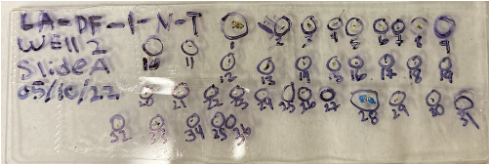 These are extracted microplastics on a specimen slide
“Microfibres are the single biggest direct source of the microplastics in our water and it’s been driven by fast fashion and our consumption patterns. We must be aware that there’s big money in fossil fuels industries and there’s big money in the plastics industry. We need to understand what that means in our society and why we need interventions that deal with this that are not just about individuals choosing to recycle or choosing to buy less and buy more consciously,” she says.
Plastic can take up to 1000 years to degrade and makes up 80% of all marine pollution
In a 2004 paper published in Science, scientist, Professor Richard Thompson, who first coined the term “microplastics” showed that tiny particles of plastics were biologically available to a range of marine organisms. The scientists also showed that these plastic fragments had “increased significantly” since the 1960s. Today Unesco estimates that up to 10 million metric tons of plastic end up in our oceans each year. Plastic can take up to 1000 years to degrade and makes up 80% of all marine pollution. In just another 25 years, Unesco estimates are that there will by weight be more plastic than all fish in the sea.
For Samiksha, moving the needle will come down to science informing policy and people understanding better in order to apply pressure that fires up political will. Samiksha, who did her PhD at the University of California, Riverside saw how that state in America mandated monitoring and testing for microplastics in drinking water as part of the Safe Drinking Water Act of 2018.
Six years on however, California remains the only state that has adopted legislation of this kind. But she says it’s not the reason to be discouraged because the role of strong laws that are enforced is central to fight against plastic pollution. Strong agreements are ones that properly assign responsibility for polluters, set out appropriate action and compensation for damages caused and have the right motivation ensure the precautionary principle applies and pollution is stopped from happening in the first place.
This year marks a milestone one for oceans. It’s an opportunity to bed down global agreements. The United Nations Ocean Conference was held in Nice, France, from June 9 to 13. In August, the Intergovernmental Negotiating Committee (INC) on Plastic Pollution will meet in Geneva, Switzerland. Since 2022, 175 UN member states have been thrashing out the details for a legally binding Global Plastic Pollution Treaty. A previous meeting in Busan, Korea in late 2024 was meant to see a wrap-up of negotiations, but the talks were derailed with fierce pushback and sticking points over the likes of limits on the production of fossil fuel-based plastics from oil-producing nations and the introduction of regulation of hazardous chemicals used in plastic products manufacturing.
Fossil fuel industry lobbyists, corporate opposition and politicking around national interests, don’t go away easily, but Samiksha believes there is another tide turning – it’s where her hopes for change and action lie.
For Samiksha, it’s people’s consciousness shifting, also their choices. She says she sees it from the person who lives on the banks of the Jukskei River in Alexandra township in Johannesburg demanding real attention for a cleaner environment; the social media influencers who use these tools to raise awareness, to inform and call to action; and then a growing throng of scientists who are using science to sound the alarm to bring science closer to policy making and to support the decisive legal frameworks – including the plastics treaty the oceans need. Samiksha laughs a little when she says she’s become the person who is always talking about the plastics problem we have. But when someone tells her they’ve switched from plastics to glass containers for instance – it’s a win for her.
Samiksha says: “When I first started doing my undergrad studies in 2010 people thought that environmental science meant I would become a tree hugger or a game ranger and people didn’t really understand the role of science in fighting climate change or microplastics pollution. But now everyone I meet is aware of the climate crisis, people understand that something needs to be done and for me it’s what I will keep on posting about and talking about.”
“I remember my mom saying years ago that environmental science was going to be one of the biggest issues we would have to address in the future. We are there now,” she says.
It’s sad her mother was right about the state of the environment, but Samiksha is happy it informed her career choice. It’s put her at the forefront of a fight that matters most, now more than ever.
- Ufrieda Ho is a regular Twyg contributor. Read more of her work here.
- Images supplied by Dr Samiksha Singh