
During a recent holiday at my family home near Tsolo, in the Eastern Cape, I stumbled upon a disturbing sight: disposable nappies had been carelessly discarded in a creek. It looked like the nappies had fallen from a tree.
I was shocked. As a mother, I saw that my choice of nappies for my child is a serious problem for the environment. The surreal vision made me think about my decision to use disposable nappies.
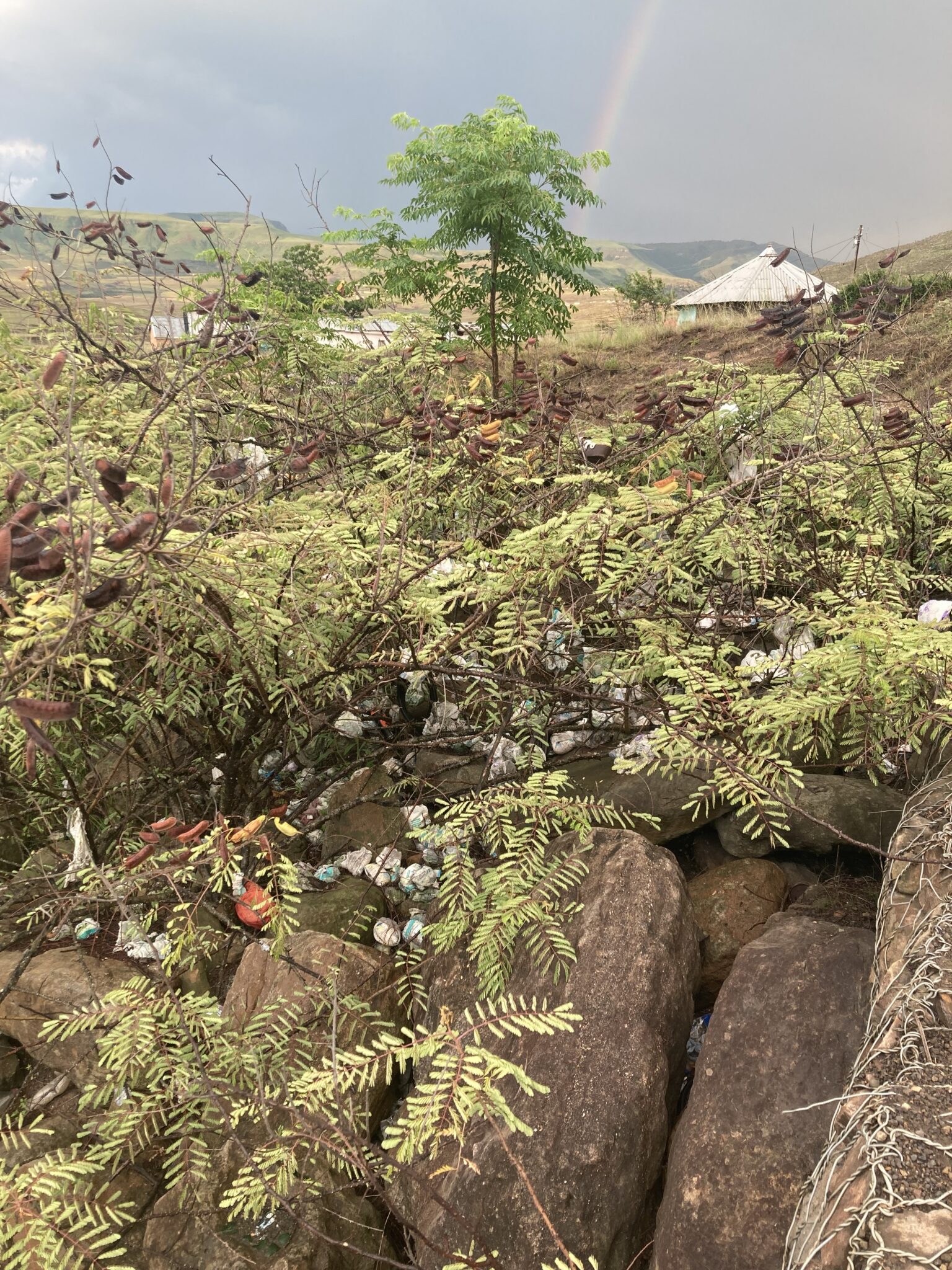
Nappies are thrown onto a riverbank near Tsolo, Eastern Cape. Image: Nobanzi Sokuthu
Most parents I know who live in rural areas earn too little to buy biodegradable nappies and the shortage or lack of water makes washing reusable cloth nappies difficult. This 2023 study exploring disposable nappy usage and disposal practices in rural areas found that 80% of South African households with babies are using disposable nappies.
According to this report, “On average an infant uses 4.6 disposable nappies per day for 2.5 years. This adds to almost 5 billion disposable nappies used in South Africa.”
Nappy waste often ends up in the environment, and has become one of the most serious environmental health issues in South Africa. The National Waste Management Strategy 2020 identified disposable nappies (and other hygiene products) as one of the key waste streams that require development of product design measures and alternative waste treatment options; as well as the development of norms and standards for safe collection and disposal.
The concerns of this convenience product are that it is composed of plastics. The layers of polymers persist in the environment and in landfills for centuries.
This study explains the problem. “In addition to the polyolefin outer layers, a critical barrier to fully biodegradable diapers lies in the superabsorbent polymer, which is conventionally sodium polyacrylate. This polymer provides excellent liquid uptake and retention but is essentially non-biodegradable, thereby contributing significantly to persistent waste and microplastic concerns.”
In rural areas where there is limited to no waste management services, nappies are thrown into the non-flushable toilets, burned or thrown into ravines, which can pose a significant health risk to people and animals. It’s not uncommon to come across a goat or cow eating the discarded nappies.
In Mfuleni, the Cape Town township where I live, nappies are also discarded in open areas. For me, reusable cloth nappies and biodegradable nappies are not an option. I have a nine-to-five job and biodegradable nappies are expensive. Electricity and water aren’t always available in the township.
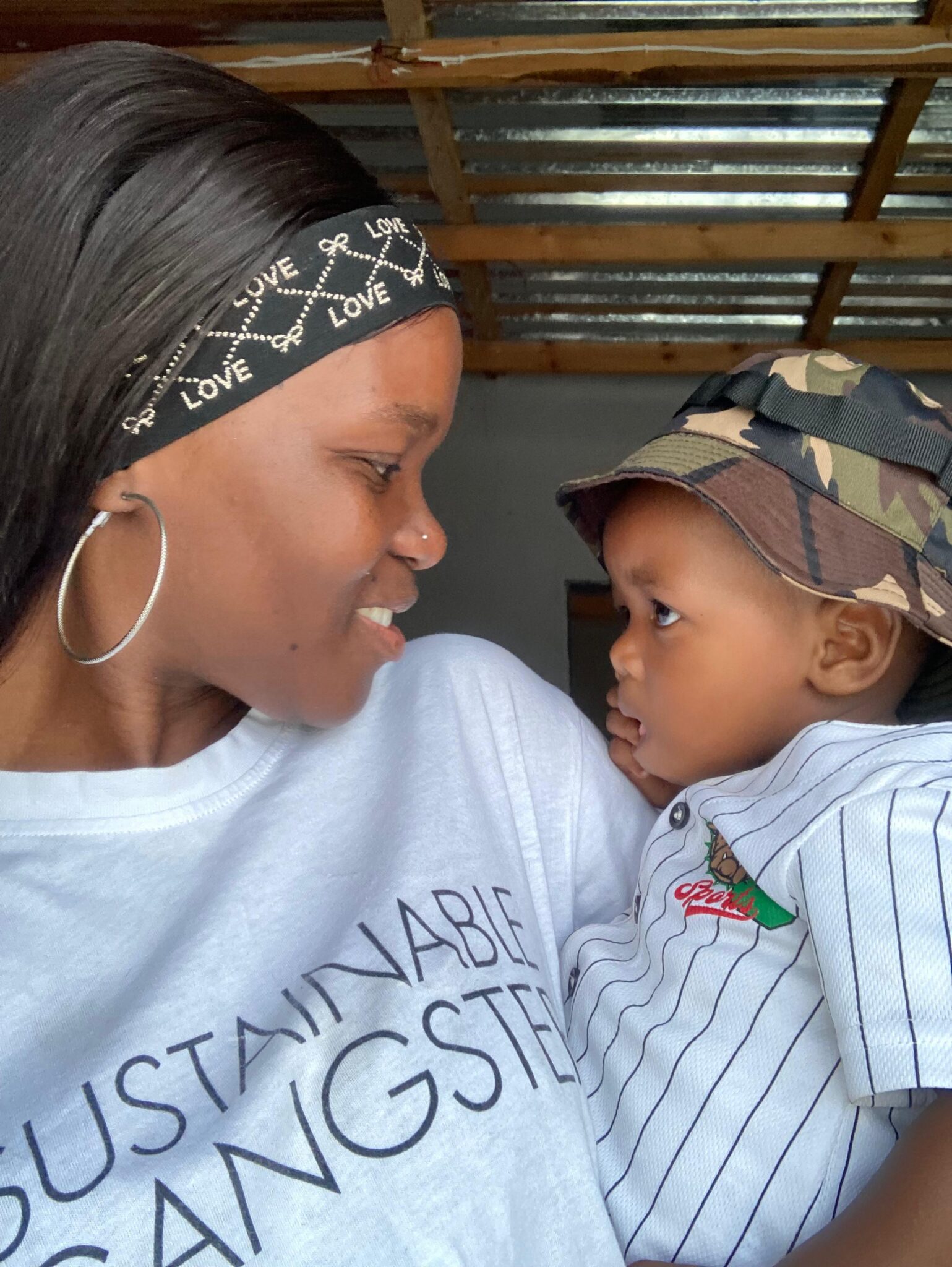
Nobanzi Sokuthu has used disposable nappies for cost and convenience. Image: Supplied
The convenience of disposable nappies lies in their ease of use and disposal, saving parents time and effort, especially those with busy schedules.
Multidisciplinary artist and textile designer Ditiro Mashigo agrees. “Disposable nappies are a gift to modern motherhood.” The previous generation of mothers approached motherhood in a slow and holistic way, and washed nappies every day. But most days Ditiro – like me – chooses the convenience of disposable nappies. She says that they also have great absorption and reduce nappy rash incidents.
Sustainability lifestyle influencer Masego Morgan uses both disposable and reusable diapers. “I use the reusable whenever convenient, for example if we’re staying at home all day and when it’s sunny because then they’ll dry quickly once washed. I use disposable nappies at night, or when we’re out and about,” says Masego.
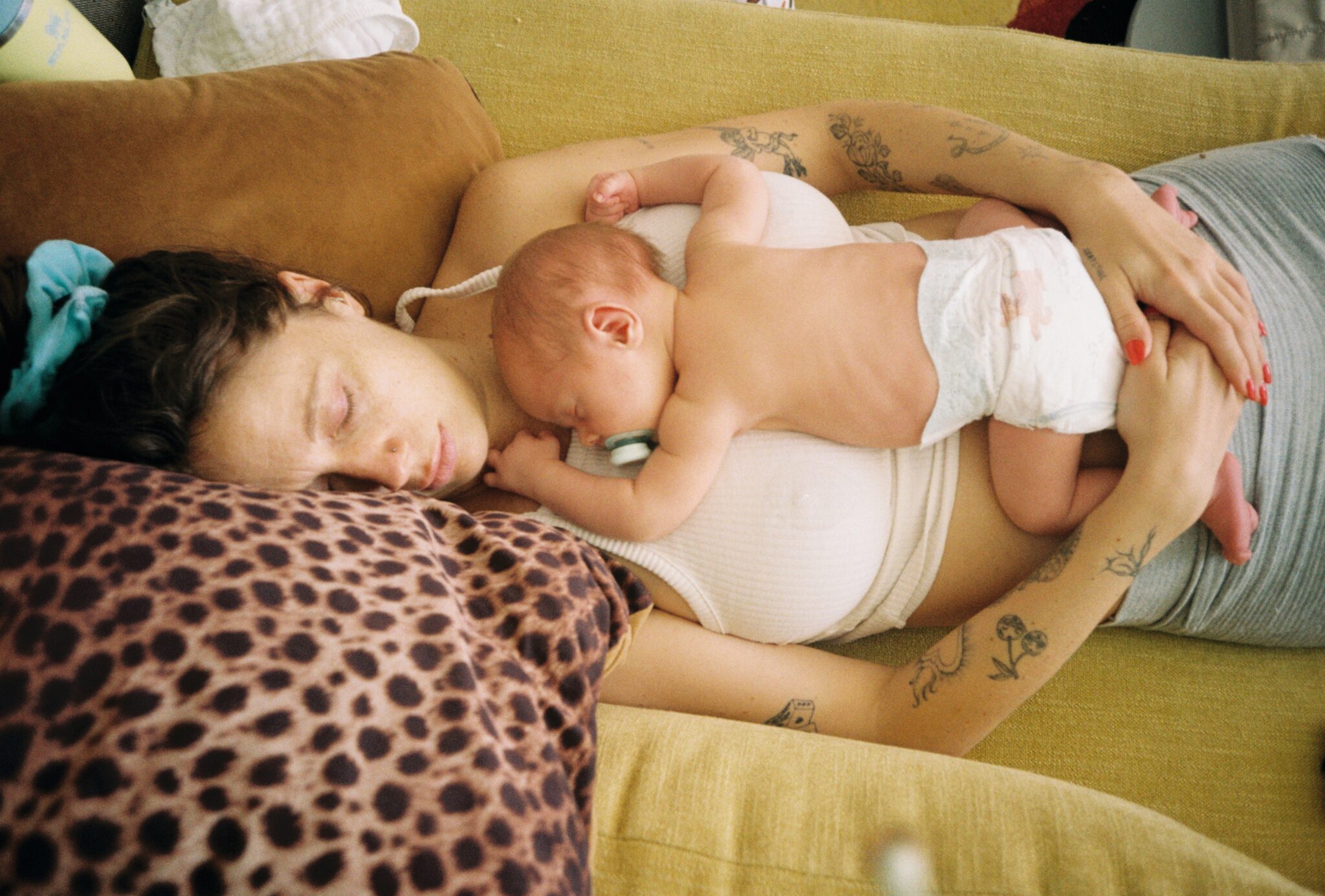
For first-time mother and founder of the fashion brand Emily Universe, Emily King, convenience trumps any other consideration. “The honest reality for a lot of new moms is that sustainability is something we care about in theory, but in the exhaustion of early motherhood, convenience often wins, even when we know there’s a cost to it.”
Emily says that she was taught to use disposable nappies. “It’s what everyone around me uses.” She is daunted by cloth nappies, especially washing them. “I’ll also admit I’m not as educated on the environmental impact as I probably should be. I’d love to learn more about the alternatives of disposable nappies for the future, especially since cloth nappies make sense financially, too.”
What are our options?
There are cloth and biodegradeable nappies. As already stated, cloth nappies require a lot of water and energy to clean.
While biodegradable disposables offer reduced environmental persistence, there are challenges regarding cost, mechanical performance and scalability. According to this study, “None of the current biodegradable alternatives yet match the combination of absorption capacity, retention under load, polymer stability, and cost performance of conventional sodium polyacrylate”. Neither are they readily available at mainstream stores.
Perhaps the responsibility cannot sit entirely with us, the mothers.
Futher reading
- Feature image is of Emily King