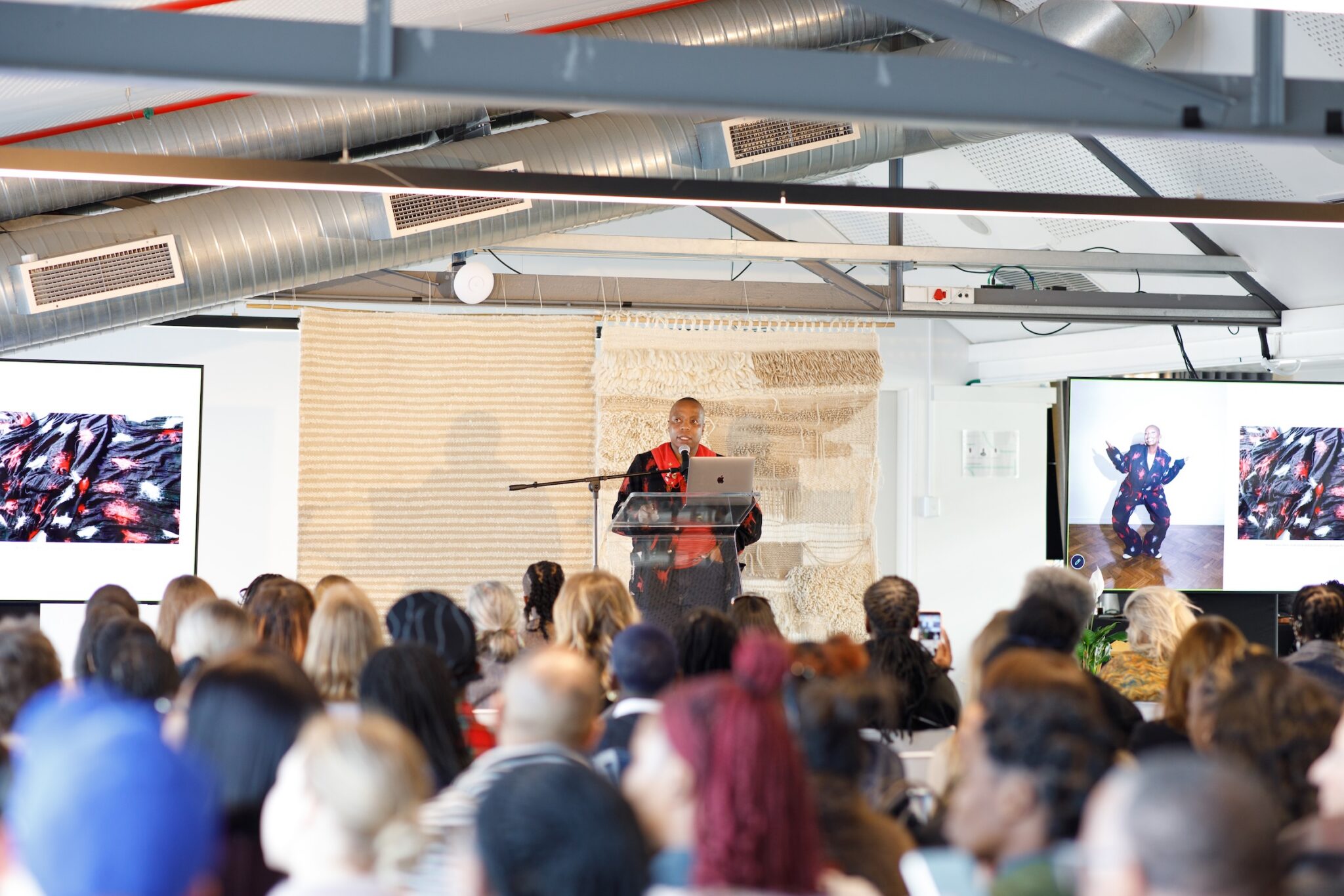
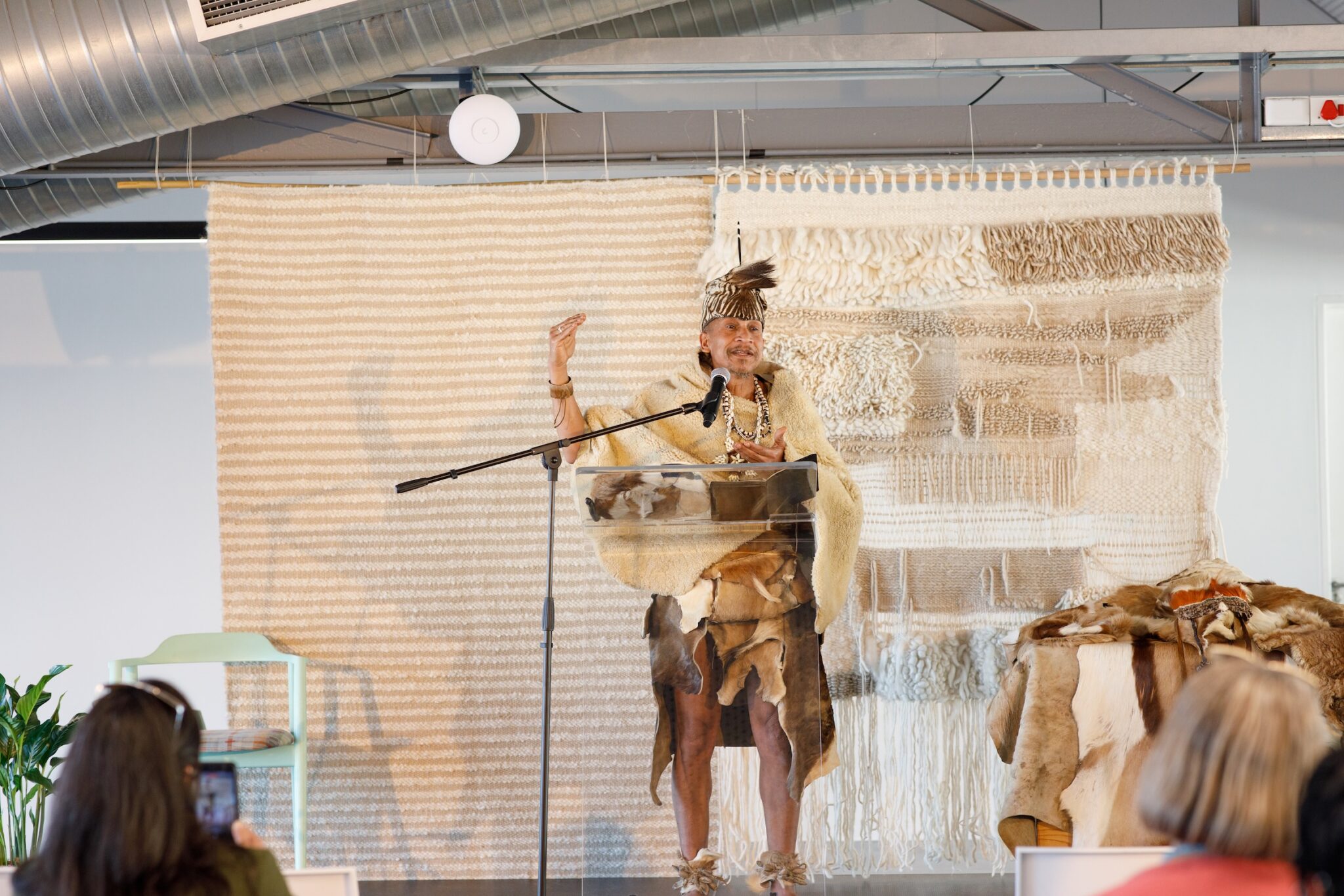
Most people with access to technology are aware of the climate crisis. But how governments and adjacent organisations respond to the crisis remains elusive to many. Climate change policy is typically framed in relation to future generations or faraway places like the polar regions. It operates in systems that are inaccessible and disconnected from the general public.
To see global policy-making in action, I attended the recent Bonn Climate Change Conference in Germany at the end of June. It is one of multiple climate negotiation platforms where global leaders, activists, researchers and policy makers come together to discuss how to approach climate change. One of the most important ones is COP (Conference of the Parties) which is hosted annually in a different part of the world. This year COP30 (the 30th COP) will be hosted in Brazil. In December 2015 at COP21, the Paris Agreement was adopted by 196 parties to limit global warming to no more than1.5°C above pre-industrial levels.
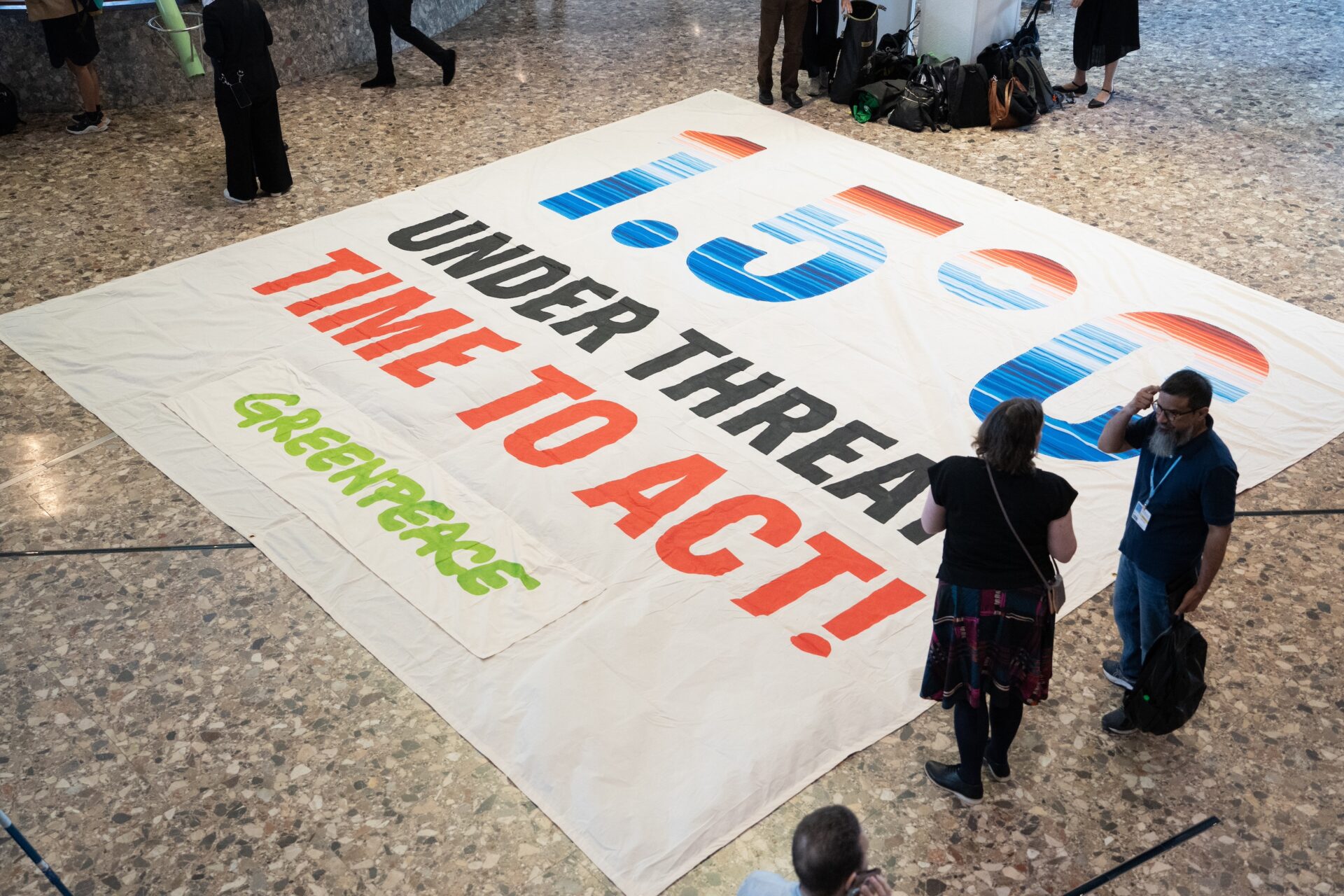 Greenpeace poster at the Bonn Climate Change Conference. Photo: UN Climate Change
The Stockholm Environment Institute explains that leading up to COP30, the Bonn Climate Change Conference is where “parties revisit technical details and unresolved issues from previous COPs and where groundwork is laid for decisions to be negotiated and adopted at the COP that follows later each year.”
I was immediately struck by Clara Suzanne Charlo, a Bitterroot Salish Indigenous woman from the United States, who wore a kokum scarf fashioned into an overdress, as well as earrings that paid homage to Indigenous land defender Berta Cáceres, who was assassinated for her activism work. “I try to bring in my own ancestors, and the ancestors of those of the Global South [into fashion], because we’re working in unity,” Clara told me.
Olumide Idowu, known as Mr. Climate wore a traditional, locally made Nigerian Ankara. “Fashion is key, fashion is the future, and there is good in fashion,” he said.
These conferences have long been dominated by the same demographic – middle-aged, white men. The fashion at the Bonn session reflected that more people are gaining access, and are able to exercise meaningful representation and inclusion by expressing their identities and cultural heritage.
View this post on Instagram
In many sessions, there was a strong decolonial and feminist approach, which has gained increasing traction in climate spaces. Side events at Bonn included panel discussions such as ‘Towards climate resilience: Indigenous and community knowledge systems, practices and experiences‘ and ‘Women and Gender Constituency: Regional Feminist Perspectives’. The latter was also conducted in Spanish and Portuguese, with an English translation available online. This contributes to a shift away from Western dominant climate solutions, which is imperative for a just future.
A panel discussion on geoengineering, ‘Halting the Engineering of our Planet’, had a similar decolonial theme. Geoengineering is the intentional, large-scale change of natural processes that influence the Earth’s climate to reduce the effects of global warming.
The discussion was described in the event programme as, “Geoengineering (GE) is portrayed as a solution to climate change, and Africa has been targeted by its promoters. Rather than a solution, GE is a hoax to divert attention from real solutions. This event will explore the threats of GE and spotlight the need for precaution.”
The overriding attitude towards geoengineering in this session was that the Global North’s efforts to push these technology-driven climate “solutions” in the Global South are, in fact, false solutions, even described as a scam. In the discussion, three reasons emerged as to why geoengineering fails as an effective solution are:
- it reproduces the system that causes climate change;
- instead of reducing emissions, the geoengineering system will allow for people to opt for offsets or risky technologies that manipulate the environment and atmosphere; and
- geoengineering generates negative impacts on communities and territories the technology inflicted upon.
 Geoengineering panel. Photo by Tegan Gibaud
The overall goal of this Bonn Climate Change Conference was to negotiate a shared pathway to mitigate and adapt to climate change globally.
Many of the representatives I spoke to were not happy with the negotiations and felt much more should have been achieved. The YOUNGO: Children and Youth for urgent, systemic and intersectional climate action press conference was presented by several young stewards and focused on science, gender, adaptation, and the just transition.
Sumaya Mohammed shared concerns that some parties are still expressing strong opposition to the human rights-based language, as well as concern around lack of support in the Global South. “Currently, efforts on the just transition are fragmented, and developing countries lack the support to even implement them. That is why we desperately need a mechanism [that supports] countries in the Global South.” Sumaya said. “We cannot commit to any dialogue; we need action now.”
 YOUNGO Press Conference. Photo by Tegan Gibaud
So, where are we now with climate policy? At COP30 in November, countries will update their climate commitments goals. It takes place in Belem, Brazil, the gateway to the Amazon River. As we know, the Amazon rainforest is one of the most important ecosystems in the world.
Bruno Sirote, a YOUNGO delegate from Latin America, said the conference in Bonn provided the insights about why we need to scale up climate ambition. But, he said, that the level of preparation fell short of was needed.
The UN Climate Change Executive Secretary, Simon Stiell, said, “I’m not going to sugar coat it: we have a lot more to do before we meet again in Belém. There is so much more work to do to keep 1.5 alive, as science demands. We must find a way to get to the hard decisions sooner. We will need negotiators to sit together between sessions to find common ground.”
Climate change and its policy fundamentally impact South Africa, as we greatly depend on the environment for our economy. Africa will face the greatest climate change impacts, and while as a whole it contributes the least to these emmisions, South Africa is one of the top carbon emitters globally, due to our booming coal industry. This means that the way the climate negotiations play out will directly impact our carbon goals, which will lead to impacts on the economy.
As we await the outcomes of these discussions and look forward to COP30, where we hope to see meaningful progress that not only advances global climate goals but also supports a more just and resilient future for South Africa.
 The closing plenary of the June Climate Meetings in Bonn. Photo: UN Climate Change
- Feature image of a conference attendee wearing an indigenous headdress by Peter Kronish for UN Climate Change
- Follow Tegan Gibaud, a Cape Town-based climate change researcher on Instagram