New interior design trends are being driven by the increasing demand for closed material loops and a circular economy. When asked to comment on what constitutes sustainable furniture and what one should consider when sourcing sustainable furniture, Gareth Pearson of the Cape Town Furniture Focus initiative, says: “Longevity, and the ability of a piece of furniture to last many lifetimes, is key. This is partly about quality, but timeless design is what makes people want to keep a piece of furniture, and repair it as required.
With a keen interest in sustainable materials, the masters graduate in environmental design Cameron Barnes recommends sourcing wood from local, invasive species of trees but if selecting imported wood, Cameron’s says no wood from the tropical belt is justifiable. “Even if the forest is well-managed, be aware that you are still removing these [old-growth] trees from an incredibly high biodiversity area – possibly even from national, protected forests.”
Inspired by the world-class offerings of many of the brands involved in the inaugural Cape Town Furniture Week earlier this year, we’ve assembled this listicle of local furniture and furnishings brands championing sustainable and circular design practices and that are stressing the “eco” in “decorate”.
Pedersen + Lennard
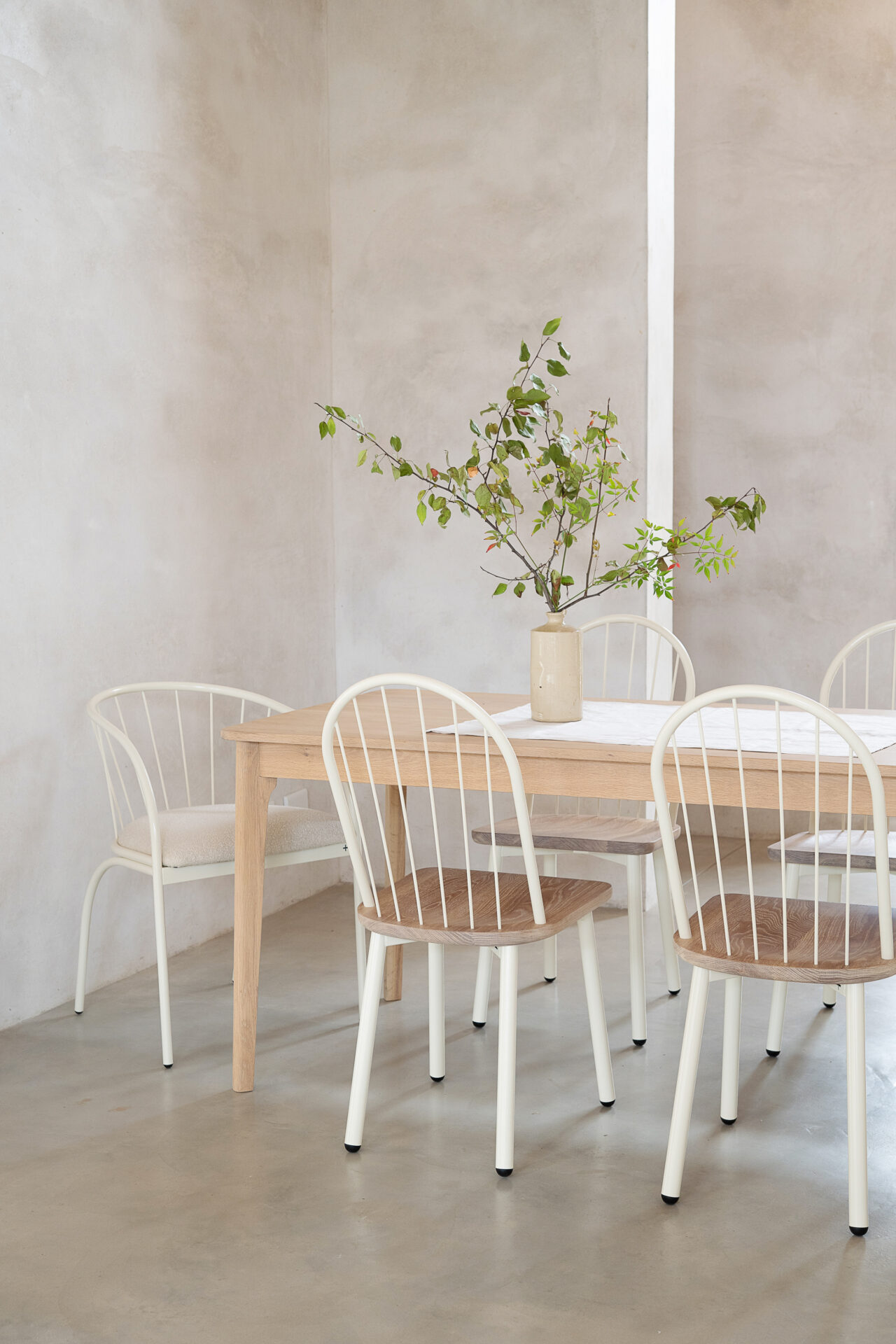
Sustainability is a layered concept that comes with a wide range of considerations when it comes to furniture. Tiyani Rikhotso of Pedersen + Lennard says, “A good place to start is to look for brands that are transparent about how they source raw materials, including the exact sources of these materials and the environmental impact of the materials. Take your time and look for this information on their websites, catalogues and even pop them an email with specific questions as you shop for pieces,” Tiyani says.
Tiyani’s second recommendation is to keep an eye out for materials that promise longevity. For example Pedersen + Lennard offer a hard-wearing powder coating that protects and colours steel furniture. Sourcing furniture crafted from durable materials is important as investing in pieces that are built to last will help mitigate excess waste and consumption that comes with replacing lower quality items.
“In the end, the most sustainable furniture you can buy is the furniture that you will use most often and for the longest time. So eco-homemakers should remember to choose pieces that spark joy, fit their style, and that they can see themselves living with for many years to come,” says Tiyani.
In a South African context, the social aspect of sustainability is important to consider. This means that we should prioritise brands that have ethical production practices, that pay their employees a living wage, and that provide empowerment through skills development.
Pedersen + Lennard’s efforts to work towards environmental and social consciousness include using FSC-Approved timber to make their products. This accreditation means the timber that they use meets the highest environmental and social industry standards, and ensures that the forests are respected and well-maintained through the harvesting process.
While local sourcing is one aspect of sustainability, the brand takes the long view and thoughtfully sources the highest quality timber that is imported from the US so its pieces can last a lifetime. Selecting hardwood from the US means more durability as it grows in much colder climates than in South Africa. “Overall, we feel this is worth it and an important decision that allows us to offer furniture that can last for generations,” Tiyani says.
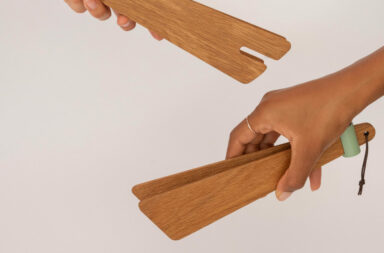
To reduce excess waste, Pedersen + Lennard look for design opportunities that lie in their offcuts. A homeware accessory like their functional Montreal kitchen tongs which are an example of how the brand repurposes timber offcuts. Using computerised processes allows for efficiency of material use. They can cut more pieces from a section of wood before it gets discarded. Their Isintu spoons are a great example of this.

- Follow Pedersen + Lennard here
- Visit the Pedersen + Lennard website here or pop into their showroom in Maitland, Cape Town.
The Ninevites
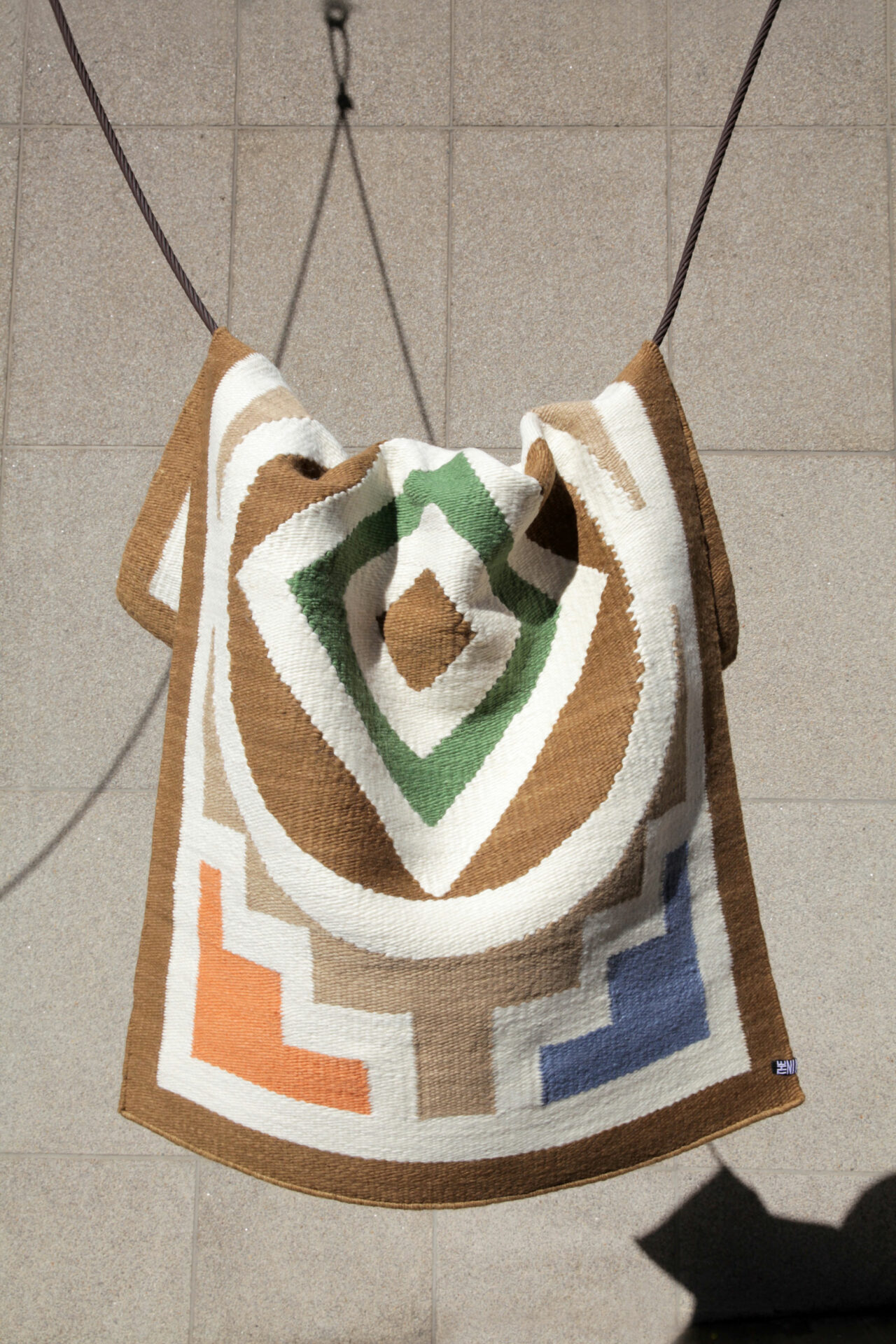
The Ninevites is a Johannesburg-based design studio and collaborative platform founded by creative director Nkuli Mlangeni-Berg. The Ninevites weave natural fibre into bold, geometric-patterned rugs, cushions, and throws inspired by traditional basketry, pottery, murals, and beading from Southern Africa.
When it comes to sourcing sustainable furniture and decor for your home, Nkuli’s advice is to buy good quality products made with sustainable materials that last long.
“I see it as investing in pieces that you want to always have and pass on to future generations as opposed to consuming something that you might want to throw away when trends end to consume the next trend,” says Nkuli.
The Ninevites are constantly striving to improve their work by implementing new steps towards social and environmental consciousness. Committed to responsible production, the artisans in Southern Africa and Peru who create products for The Ninevites use locally sourced, 100% natural mohair and sheep fibres. Through their skilful handicraft, The Ninevites artisans spin and dye the raw fibre by hand, relying on trusted techniques to ensure that the finished products are of exceptional quality and durability.
“Most of our products are made to order and we don’t mass produce. The fibres are locally sourced and we are currently looking at encouraging clients to send back their rugs for repairing. We are also improving our packaging,” Nkuli says.
You can browse The Ninevites offering, inquire, or place an order via the brand’s website. The Ninevites ship nationally and internationally.
Cameron Barnes

With a background and education in green architecture custom furniture designer, Cameron Barnes prioritises ethical and environmental considerations, and has been committed to cradle-to-cradle design principles for well over a decade. According to the godfathers of cradle to cradle theory, William McDonough and Michael Braungart, these principles which are derived from nature are: everything is a resource for something else; use clean and renewable energy; and celebrate diversity.
Cameron creates furniture based on a “long-term view” philosophy. Concerned about the lack of consideration for furniture’s lifespan, Cameron has developed a keen interest in materials, in production, and in product life-cycles. Crafting each piece himself allows Cameron complete control over the process, ensuring that materials are locally sourced, minimally processed, and by working with bolts and pivots (not glue and nails) his product is made to disassemble.
Cameron explains that the wood he sources is limited to local ‘alien’ timber species that are not suited to the local environment. He avoids all imported and local indigenous varieties and all composite timbers such as plywood or oriented strand board, (an engineered wood particle board formed by layering flakes of wood in specific orientations). This approach helps to limit harmful chemicals from manufacturing and reduce his product’s carbon footprint. “We also incorporate leather, brass, and steel into our designs, often bending and working them by hand,” says Cameron.
“Our furniture design prioritises the entire lifespan of a piece, from its origin to how it will be re-used. With an emphasis on ethical and sustainable materials, we create pieces that are both beautiful and environmentally responsible,” Cameron says.
- Visit the Cameron Barnes website here
Coral & Hive
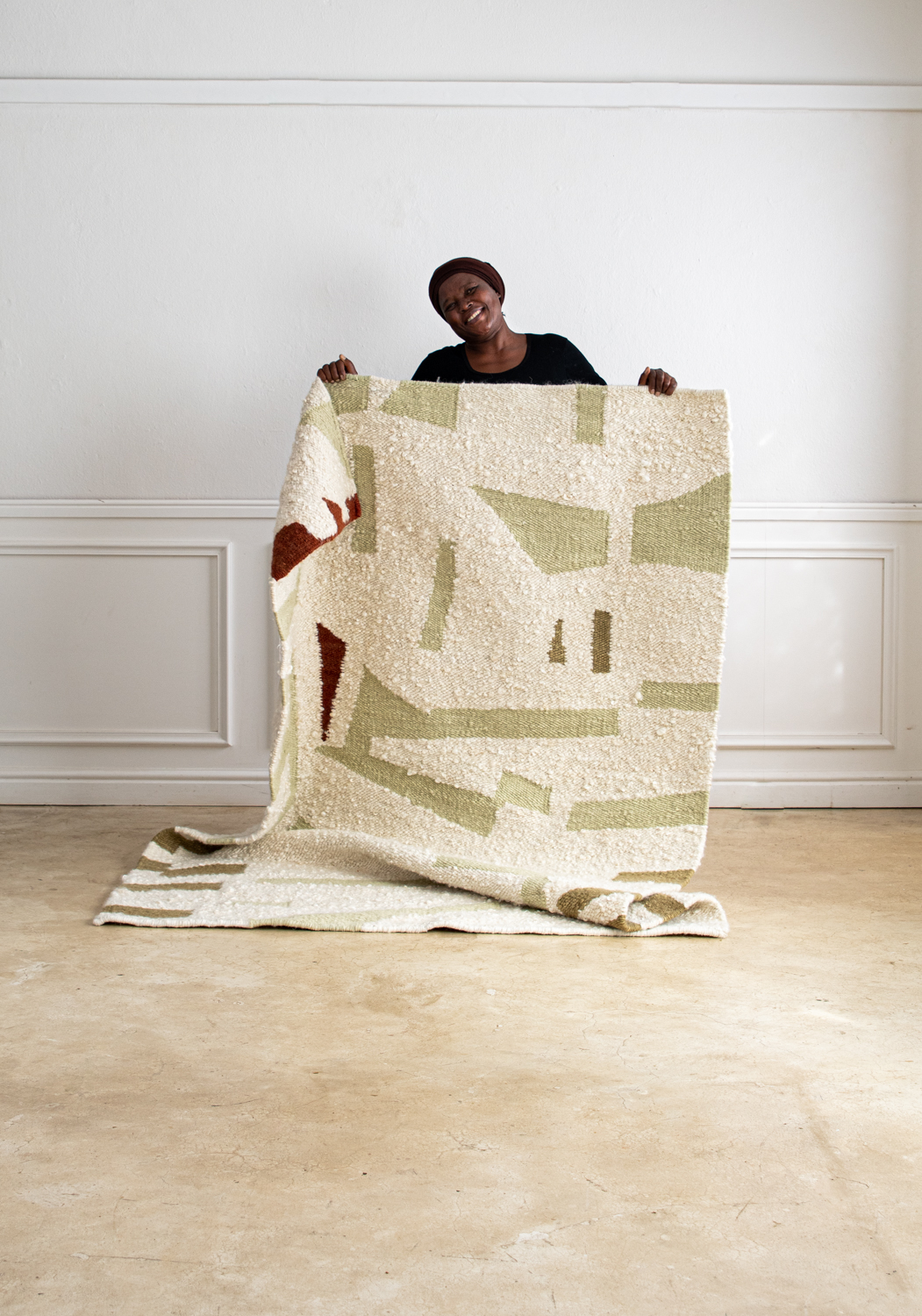
Employing and training local talent and using local, small-batch, sustainably-sourced raw materials is one way that Cape Town-based Coral & Hive honours a sustainable approach to production. Founded and directed by Jeannine Birch in 2016, the handwoven rug brand works with family-owned loom organisations in India and with hand weavers in Cape town.
Coral & Hive employs 16 women in Cape Town who weave natural fibres like jute, karakul wool, and mohair by hand into a show of varied tones, abstract patterns, and organic shapes. Their head weaver, Nazeema Solomons has had 30 years of weaving experience under her belt, a passion for teaching the craft, and helping women, and is responsible for training and mentoring the Coral & Hive weavers in South Africa.
“We work closely with Mohair South Africa to ensure sustainable supply and responsible sourcing,” says brand communications and business development officer, Toni Fawzy.
“African woven rugs from Coral & Hive are forever rugs – something that can be kept forever and passed down through generations,” says Toni.
Coral & Hive are launching an online shop soon but in the meantime, you can visit www.coralandhive.com or follow them on Instagram @coralandhive to browse their range and place an order. They ship nationally and internationally.
Homewood

Homewood is a manufacturer of crafted indoor, patio, and outdoor furniture and smaller pieces in selected solid hardwoods. Founder and director Ian Perry started Homewood with a vision for timeless, “handcrafted furniture that thinks about the future”.
According to the Homewood team, furniture that is mass-produced typically consists of composite wood, which is created by chopping up pieces of wood and glueing them together. This method of production makes it exceedingly difficult to repair or refurbish the furniture, ultimately reducing its lifespan.
To reduce their carbon footprint and promote sustainability, Homewood no longer offers ash, oak, and plantation teak as options for their handcrafted furniture. Instead, they have opted to use plentiful alien invasive wood species that can be found right here in South Africa. This decision not only benefits the environment but also supports local employment opportunities for those involved in the removal of these invasive species.
Homewood has also moved away from steam bending wood in their manufacturing process. While they used to rely on this method, they have found that it requires a significant amount of water and electricity, making it unsustainable in the long run. Instead, the artisans at Homewood have adopted a solution that uses less water, and less power, and utilises more offcut wood, resulting in less waste.
“As responsible consumers, we must consider the impact of our purchasing decisions on the environment and choose sustainable options whenever possible,” the Homewood team comments.
Homewood is a member of the eThekwini furniture cluster, which means that their staff are involved in a variety of upskilling workshops, forming part of their business’s social investment strategy
- Images: Photos supplied by each brand. Cover image features Pedersen + Lennard