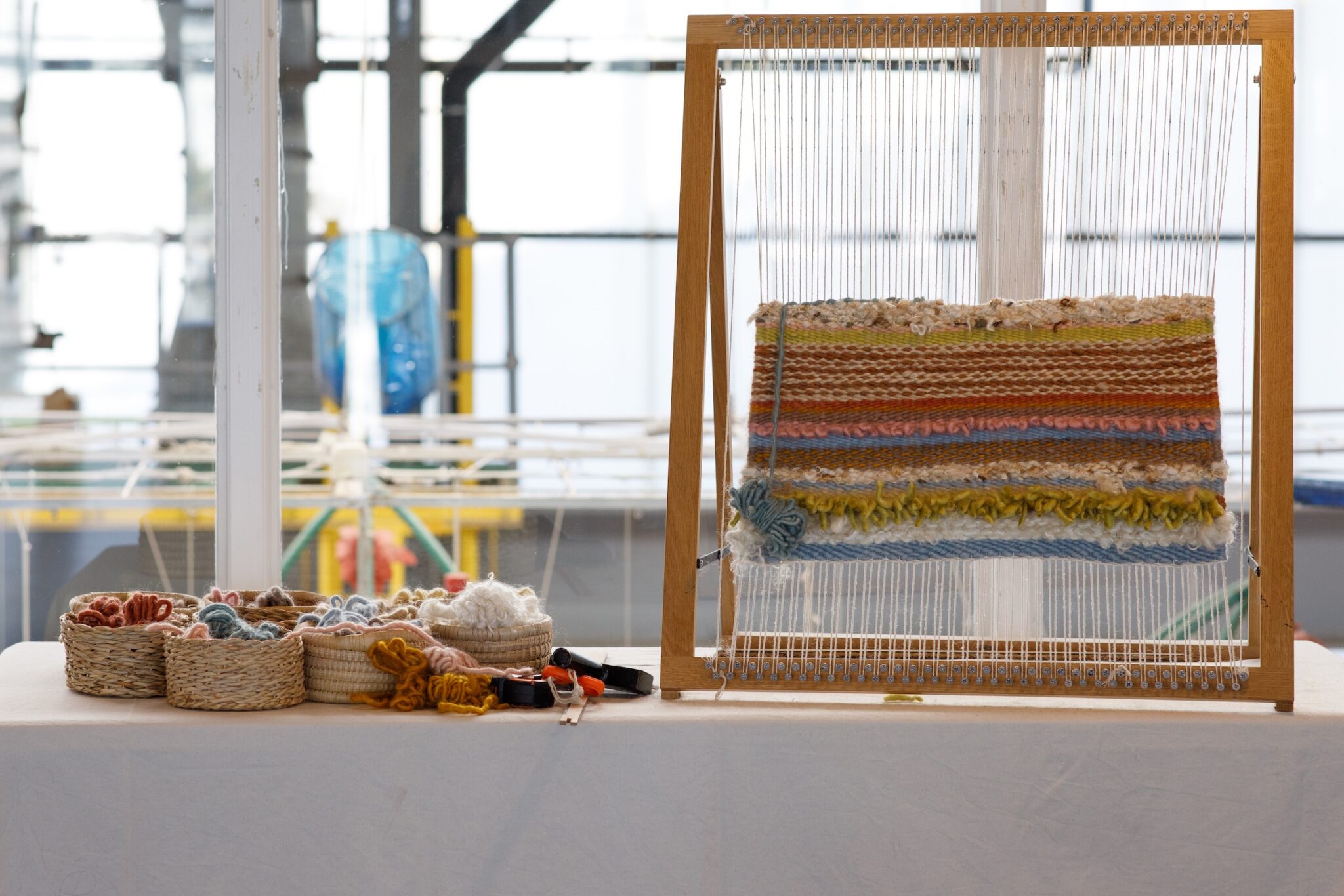
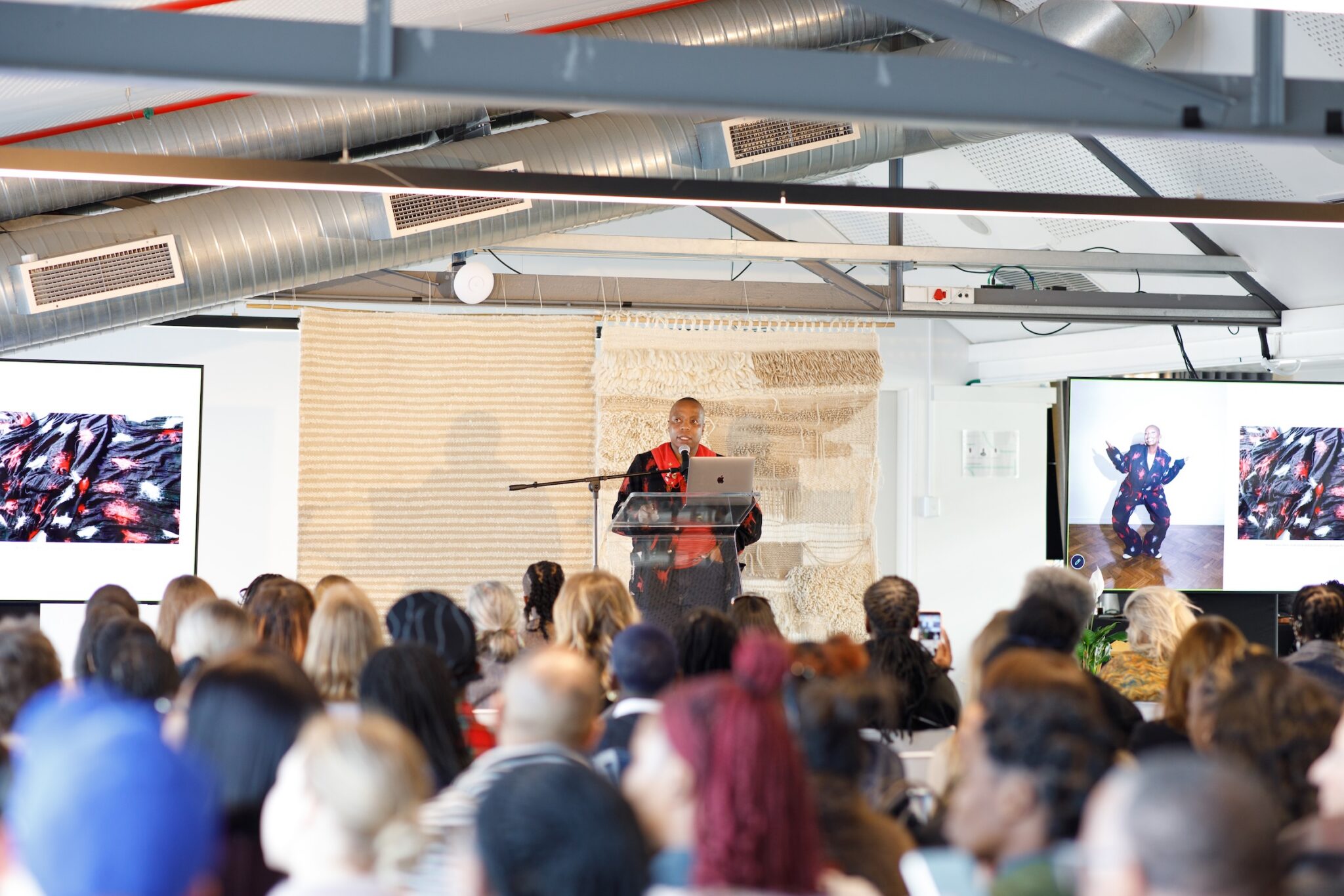
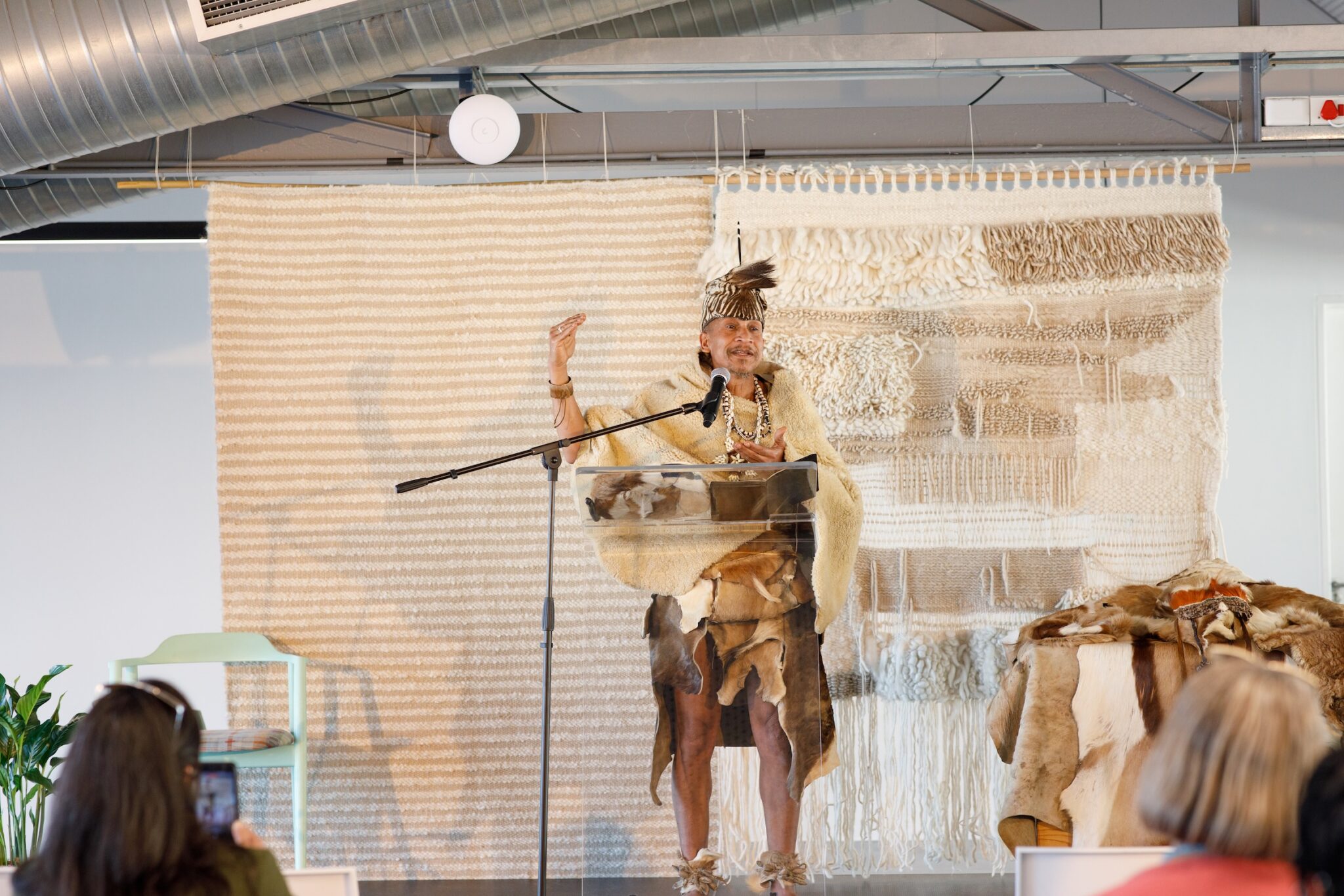
Design Week South Africa has reframed what a design festival can look and feel like in a country where creativity is both a cultural language and a tool for change. Founded by designer Margot Molyneux, DWSA is an annual four-day two cities-wide movement of engaging exhibitions, installations, talks, studio tours and workshops that platform local talent while exploring the social and environmental impact of design.
Last year saw the launch of DWSA, and this year, the Johannesburg edition took place from 9 to 12 October with the Cape Town programme unfolding from 23 to 26 October.
What sets DWSA apart is accessibility; there are no barriers to entry for exhibitors, and events are spread across the city, inviting the public to encounter design in everyday spaces. “Instead of walking into one space, it’s spread across the city,” says Margot. “You might walk into a restaurant, and there’s a pop-up or panel discussion. It’s also an opportunity to amplify and give designers a greater platform to share their brand internationally and create more sales.”
DWSA unfolds across both Johannesburg and Cape Town, allowing the design community to engage with two cities that represent distinct creative energies. In Johannesburg, a city defined by its Afrofuturist edge and spirit of reinvention, Margot and curator Zanele Khumalo crafted a programme that met the city where it is — bold, layered and constantly evolving.
Margot, who recently relocated to Johannesburg from Cape Town, says, “Joburg was out of our comfort zone, but we came with the intention to build on its creativity through design, and start a conversation about where else we can go.”
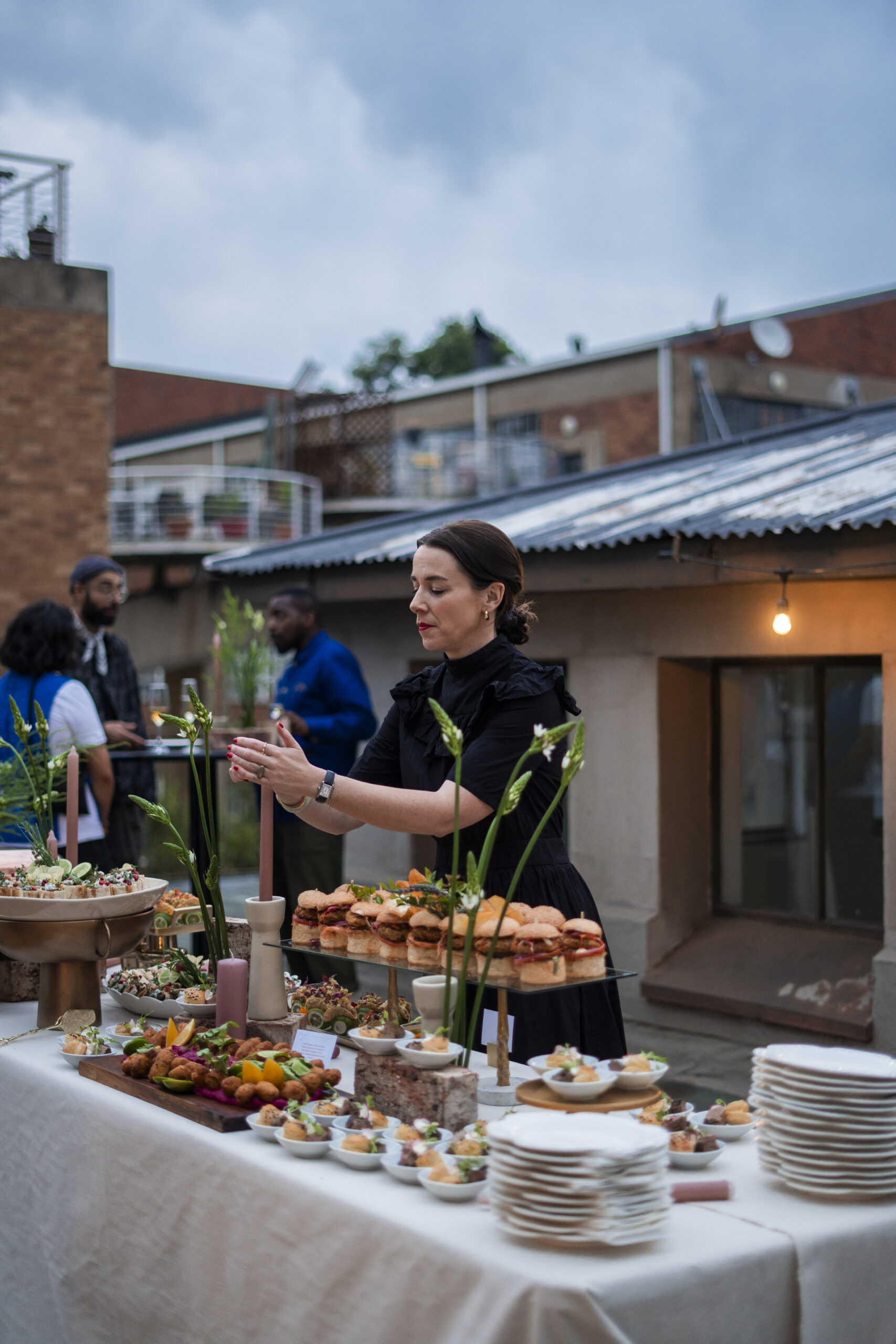
Margot Molyneux prepares for a gathering at 44 Stanley. Photo courtesy of Design Week South Africa
Design as memory and movement
The significance of DWSA stretches far beyond aesthetics. “There are so many people involved in keeping a city passionate through design,” says Margot.
“The Mukheli brothers [Fhatuwani and Justice Mukheli], for example, directed five films about people working tirelessly to make Johannesburg what they envision it could be. Yes, we know the challenges – corruption, water shortages, inequality – but that doesn’t mean we should not create space for growth. There’s a fiery passion here, and we want to see the industry thrive.”
Against a backdrop of global polycrisis – from the climate emergency to social inequity – DWSA sees design as a solution for reimagining rather than retreating. It’s about using creativity to move forward, not backwards; to build an open, inclusive creative sector where access, participation and preservation go hand in hand.
“Italian design has a look, and so does Danish design, but why should we?” she reflects. “We’re a complicated and diverse country; that’s our look. Our complexities make us interesting to engage with.”
That inclusivity also defines who DWSA speaks to. Its audience is not a narrow circle of design insiders but a community as diverse and complex as South Africa itself. Through engaging with organisations like the Craft + Design Institute, which is currently developing a national design policy, Margot has come to see that South Africa’s design strength lies precisely in its lack of a singular aesthetic.
“Italian design has a look, and so does Danish design, but why should we?” she reflects. “We’re a complicated and diverse country; that’s our look. Our complexities make us interesting to engage with.”
“The goal isn’t just for the world to understand South African design, but for South Africans to better understand themselves through it.”
Rather than aiming for something “easy to digest, packaged and perfect,” DWSA invites audiences to embrace differences, to travel between cities, engage across disciplines, and learn from one another.
“The goal isn’t just for the world to understand South African design, but for South Africans to better understand themselves through it.”
Shared frameworks, shared futures
At the heart of DWSA lies the spirit of collaboration, which is especially evident between DWSA and its main sponsor, V&A Watershed. The two platforms are committed to the long game of building a sustainable creative economy. This shared intention defines the partnership’s purpose: to cultivate optimism, pride, and public awareness within South Africa’s design ecosystem. Together, they hope to inspire a new generation of makers while deepening the public’s understanding of what it takes to manufacture locally and sustainably and not as buzzwords, but as daily practice.
This year’s programme reflects that layered mission. Among the Johannesburg edition (9 – 12 October) highlights was The Price of Gold, a collective exhibition at Victoria Yards featuring eleven artists, including a film by Jack Markovitz, an installation by Franadilla, a fashion installation by Aidan-Jayson Peters and Khumo Morojele, and artwork by Kutlwano Makwela. The show imagined a fictional future for Johannesburg and explored women’s roles in that world unbound by external validation. “It might not be important to me,” Margot admits, “but if we create access for other people to be seen, we all learn.”

Aidan-Jayson Peters and Khumo Morojele’s exhibition Deadstock. Photo courtesy of Design Week South Africa
This collaborative spirit found partners in Twyg’s Africa Textile Talks and 44 Stanley, all coming together for Threads of Renewal II, a Johannesburg exhibition curated by Tandekile Mkize (assisted by Larah Fisher), as well as a morning of talks dedicated to sustainable fashion, fibres and local craftsmanship.
For Star Shongwe, marketing manager of the V&A Watershed, collaboration represents more than a sponsorship; it’s a living example of shared purpose in action. “The V&A Watershed has been in existence for 11 years, and its history and heritage go beyond retribution for locals,” she says. “We share similar ideas that drew us together. We want to explore how we can continue supporting South Africa’s creative economy. This partnership forms a case study that proves what is possible when you bring together authentic local artisans, creatives, and makers.”
Guided by the Watershed’s own pillars – space, products, and makers – DWSA takes the spirit of the marketplace beyond its physical home. “We moved from our physical space to meet the two cities where they are,” Star says, underscoring a vision of connection that transcends geography.
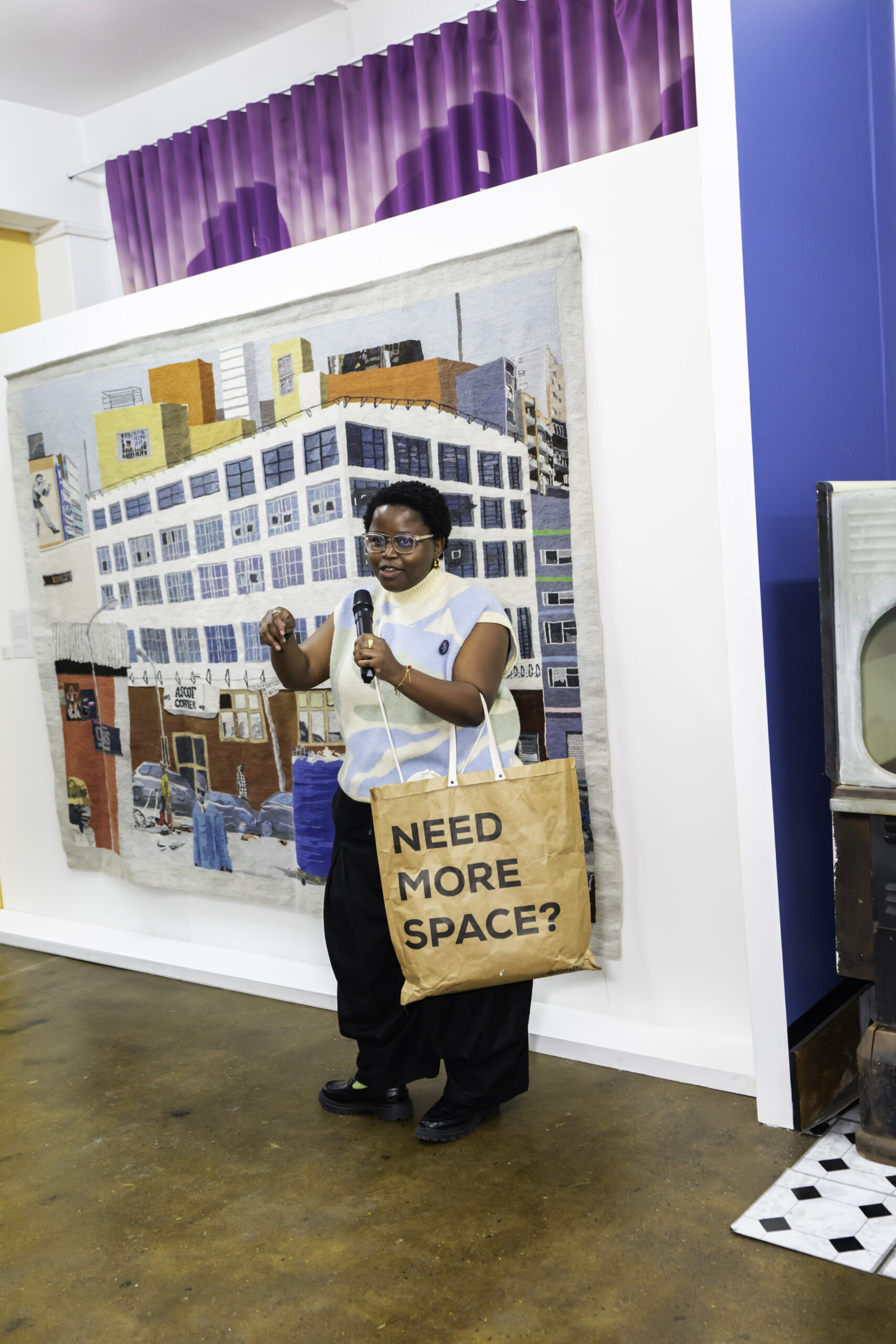
Star Shongwe, marketing manager of V&A Watershed, opening Threads of Renewal II exhibition at 44 Stanley
Design for us, by us
Star reiterates that DSWA is more than a calendar of events. It’s an experience designed to help people find themselves within the country’s creative story. “We worked on a programme that allows all of us involved to transcend a physical place,” she explains. “The best way we can show up is by supporting morning sessions of talks and knowledge sharing, following entrepreneurs’ journeys, and enhancing the product showcase by making it a learning vehicle through Twyg’s Textile Talks Africa and DWSA. Within that, we want to be a driver of Twyg’s core beliefs of circularity and sustainability.’
DWSA’s intensity is deliberate; it’s “intentionally densified”, as Star describes it. There’s architecture, art, panels, and urban studio tours, each one offering an opportunity to explore the many faces of South African design. “The importance of this,” she adds, “is that it opens up and packages South African design for us, by us, even when there’s an international audience leaning in.”
This spirit of openness carries through to the Cape Town leg of DWSA. New activations will take place at the V&A Waterfront, from an accessible Art Walk Tour led by Africa’s first blind tour guide, Winston Fani, to hands-on community crafting corners. Inviting everyone, from five-year-olds to senior citizens, to make something together. “What you saw last year isn’t necessarily what’s showing this year,” Star reminds us.
I am struck by the scale of the design community, but even more so by its accessibility. The partnerships aren’t overstated: there truly is an activity for everyone, from insightful morning talks to evening walkabouts. It’s extensive in the best way. Sparking curiosity, opening space for voices, and showing that design, in all its complexity and care, is one of the most powerful tools we have to shape a better future together.