

The story of South African mohair begins with the sea voyage of a ship carrying a small flock of Angora goats from the Ottoman Empire to the Cape shores in 1838. As the legend goes, among the cargo of supposedly neutered goats was a single pregnant ewe who later birthed a male kid. This became the chance origin of South Africa’s distinguished fibre industry, as Angora goats thrived in the arid stillness of the Karoo.
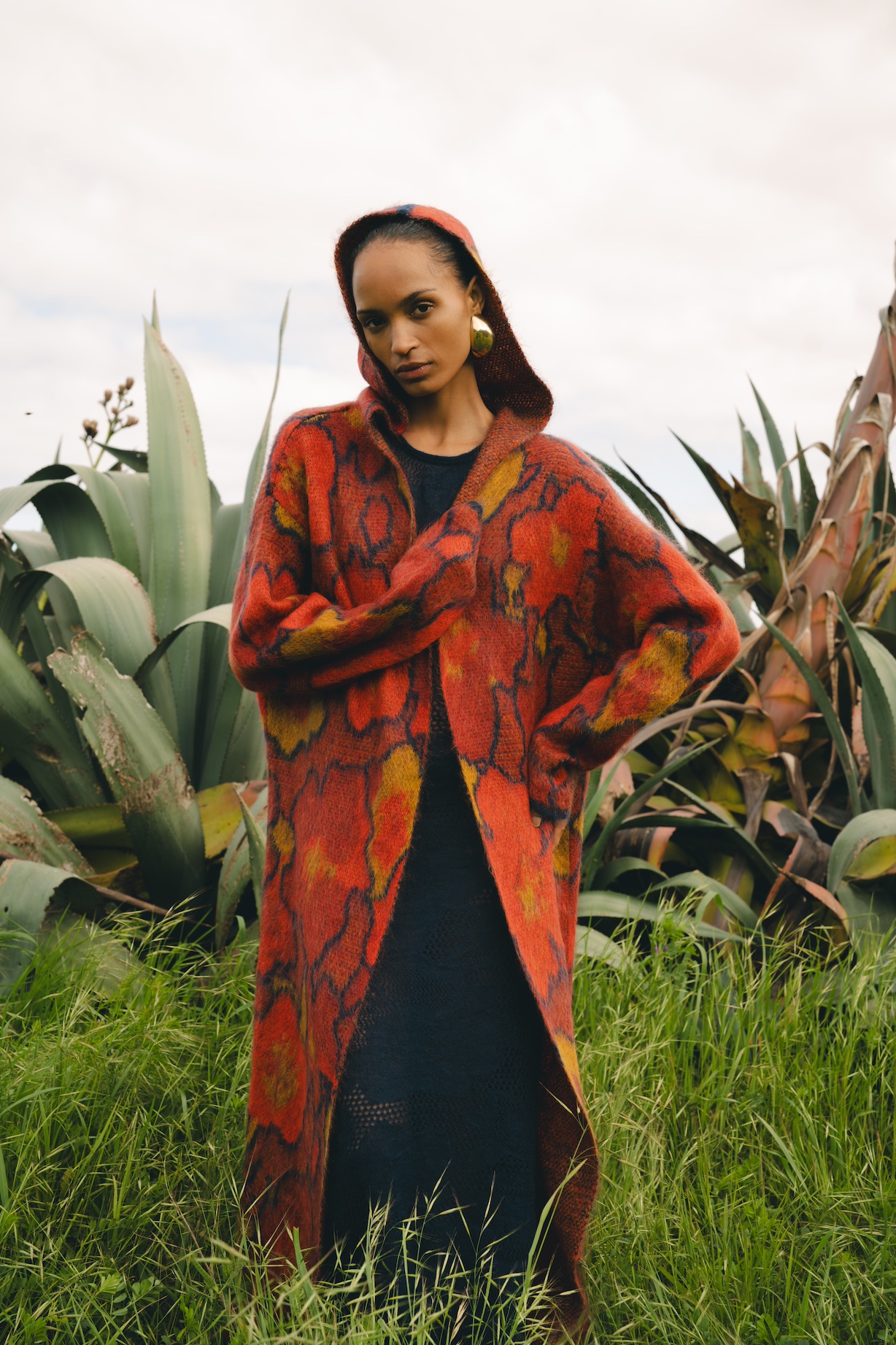
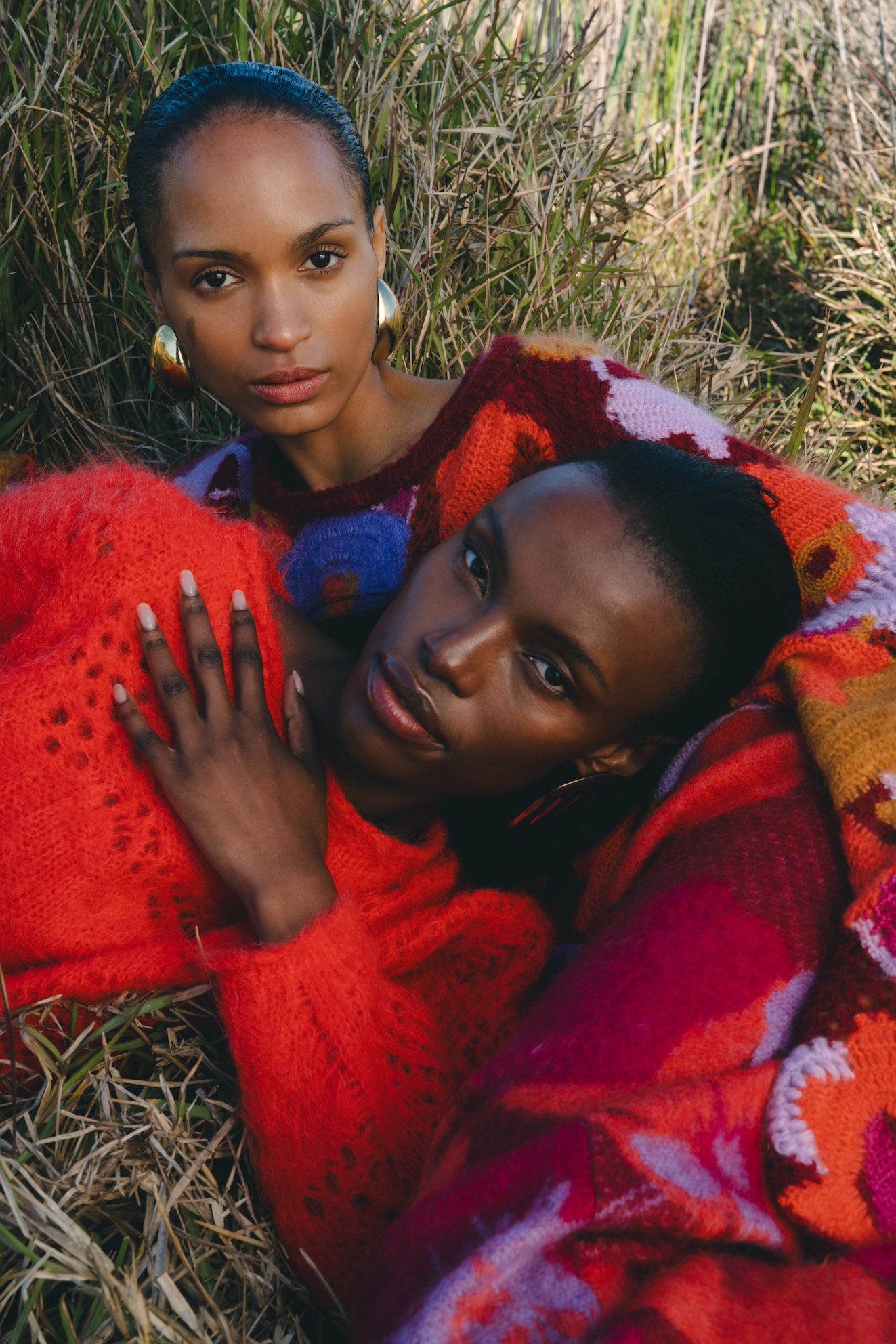
Nearly two centuries later, Twyg’s fashion editorial, Soft Landing, created for Mohair South Africa, returns our attention to the same Cape shores where the first Angora goats arrived in South Africa. Produced by Tandekile Mkize and set against the windswept coastlines of southern Cape Town, Soft Landing takes us on a visual journey that captures the versatility, rich colour, vibrant lustre and beauty of mohair. It also connects us to many hands along the value chain, from farm to fashion.

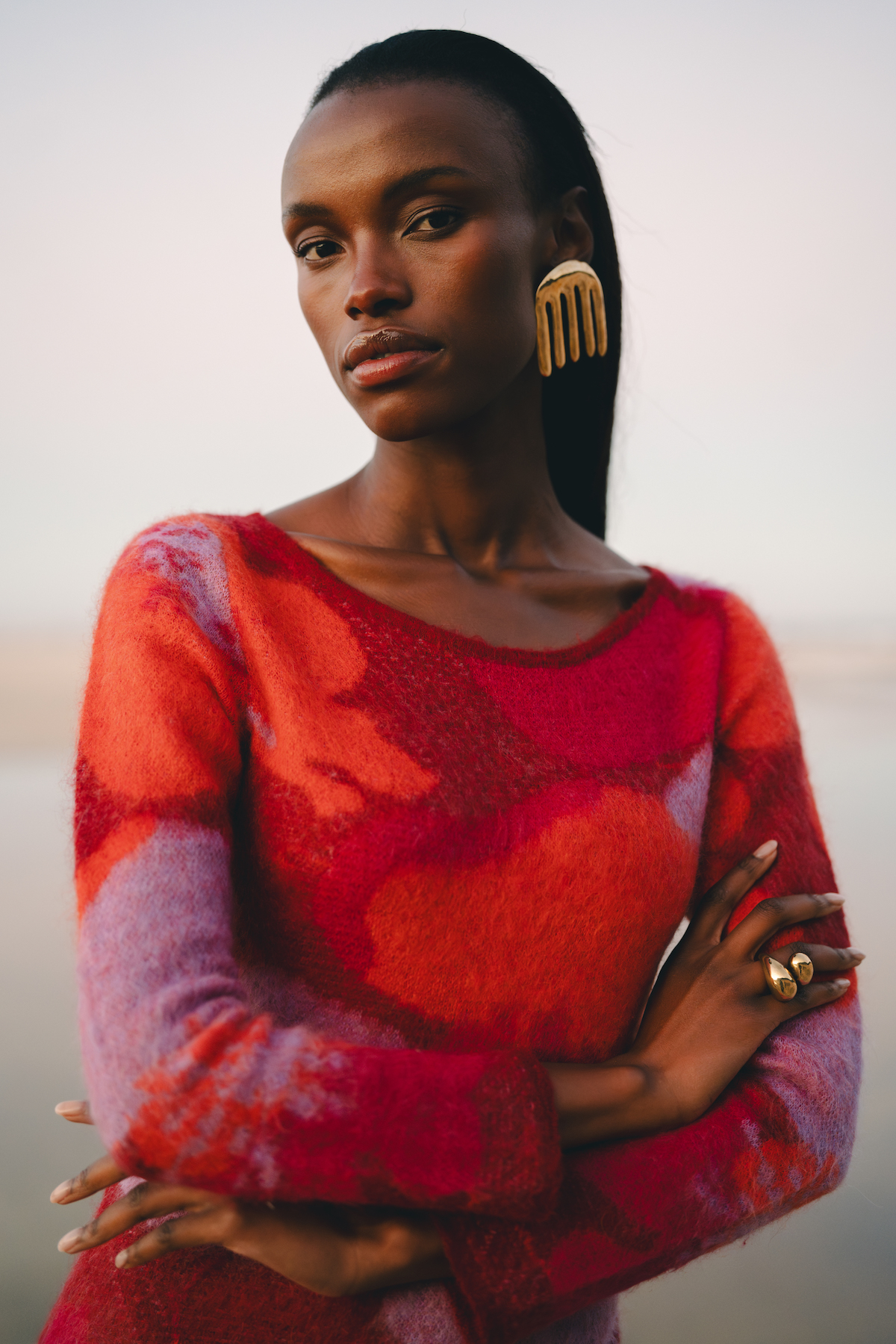

The Sophie Steller Studio in London was commissioned by Mohair South Africa to design the 10-piece collection. For inspiration, designer Sophie Steller says, “We looked at Fauvism and 20th-century painters with a view to try to ‘paint’ with a palette of mohair.”
According to Mohair South Africa, there are almost a million Angora goats in South Africa, which produce about 56% of the world’s supply, making South Africa the world’s biggest mohair producers. China, followed by Italy, is the main importer of South African mohair.
Mohair South Africa’s Lauren Moore says, “South African Cape mohair is considered the finest in the world, renowned for its quality, lustre, and traceable origin.” Lauren adds that South Africa produces the highest percentage of Responsible Mohair Standard certified mohair globally. Mohair, she says, “is produced by farmers who combine generations of knowledge with a forward-looking dedication to environmental stewardship and animal welfare.”
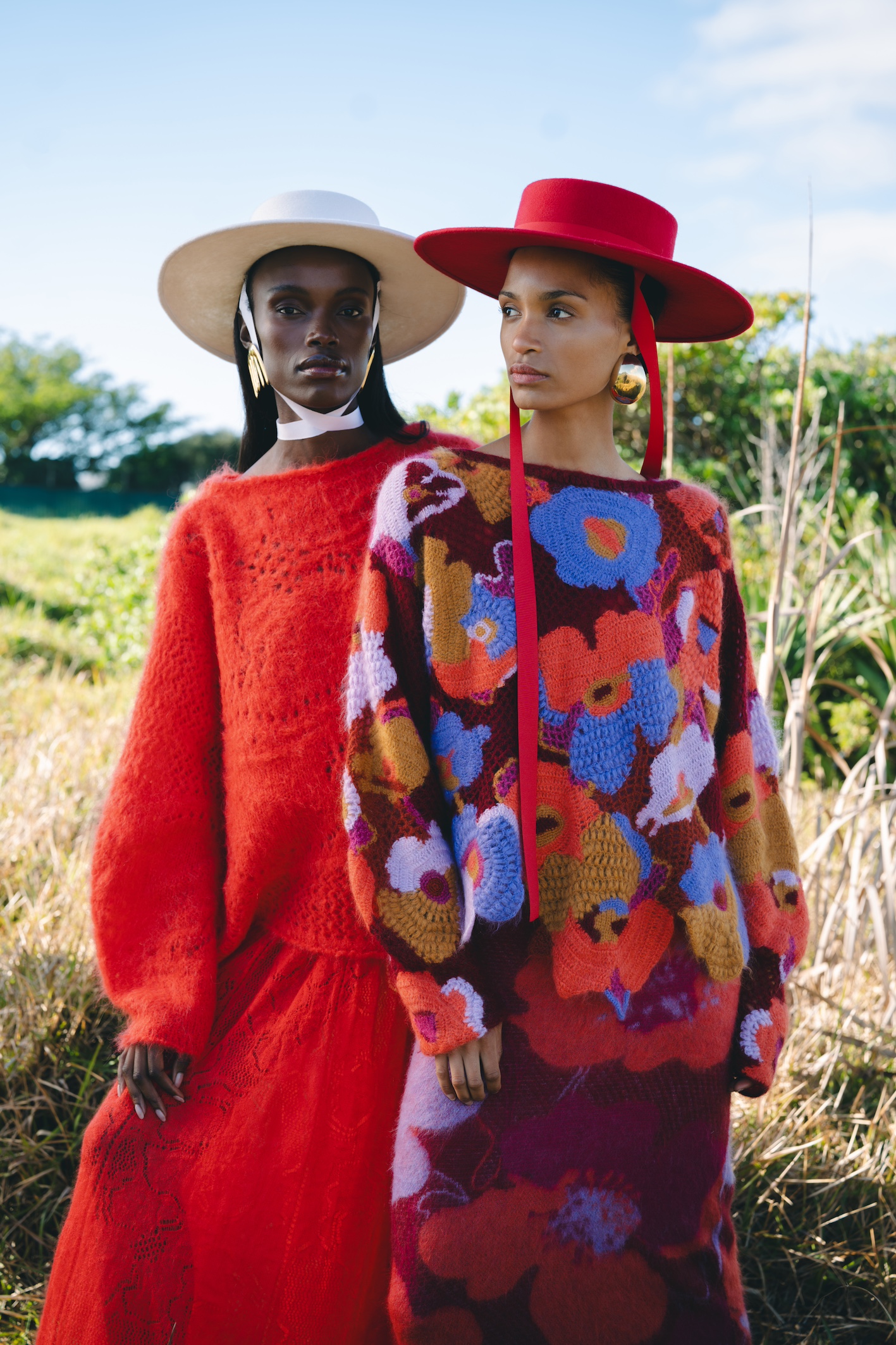

The mohair for this collection was produced on farms in South Africa. The yarns were spun by 12 different spinners internationally, including two South African spinners, Stucken and Samil. The collection was then designed in the United Kingdom, made in China and the UK, and launched at Pitti Immagine Filati earlier this year. Showing at this prestigious Italian knitting yarn trade event connected the collection to the global design conversation and to the knitwear community, including yarn producers, manufacturers, style departments of fashion brands, and the education sector.
Finally, the collection is presented in this fashion editorial produced in South Africa.
In an email interview, Sophie describes the creative process as starting with research into art and the lifestyles of the 20th century. The studio conceptualised the collection through a blend of sketching and creating fabrics, and using each to refine the other. She says, “For silhouette development, we researched catwalk and fashion trends so the shapes and looks remain contemporary and fresh.”
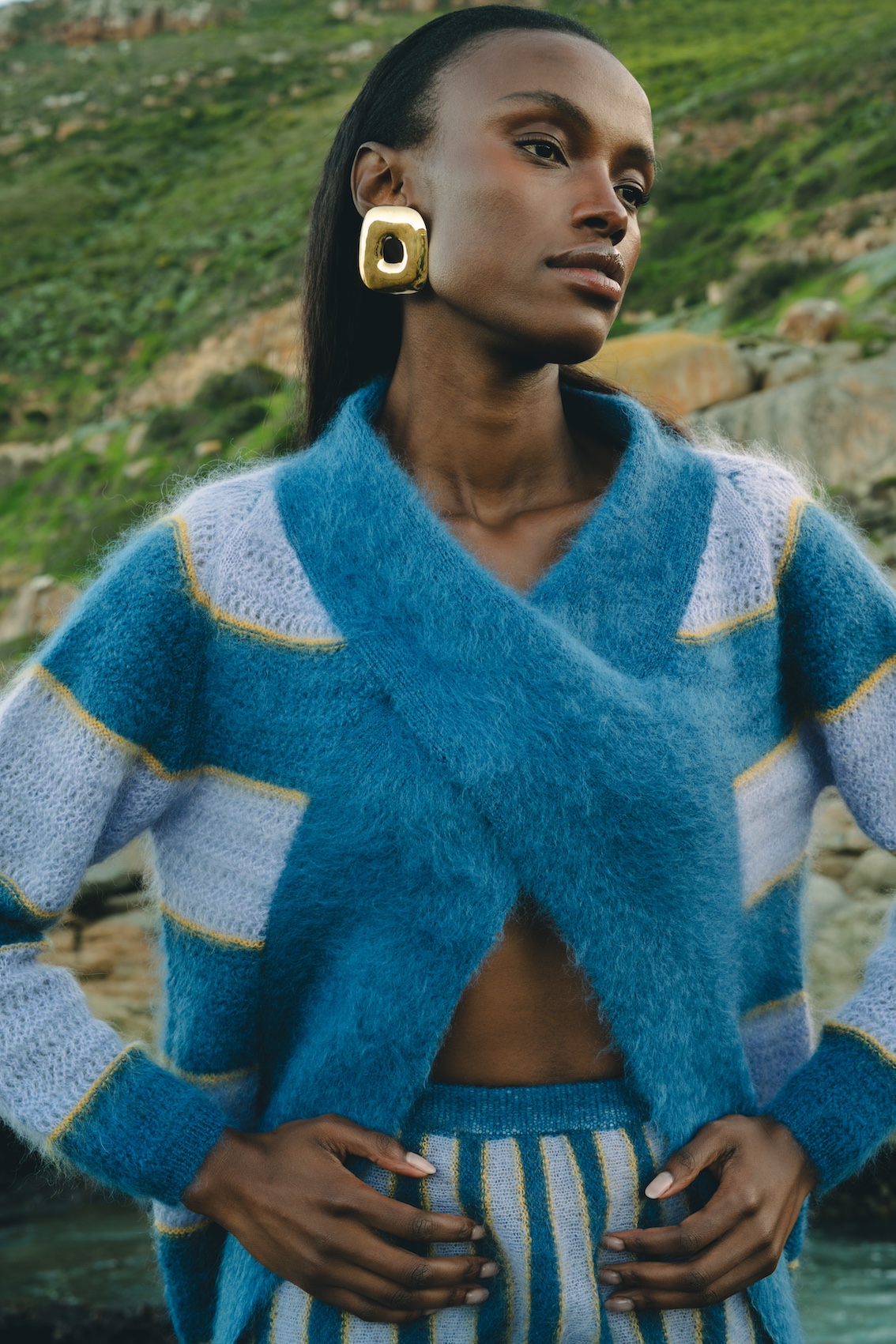


Sophie says that one of the challenging parts of creating the collection was balancing what yarns the 12 spinners had in stock to fit the designs and to achieve a cohesive colour balance. “It was complex and extremely time-consuming and required a lot of communication and experience in colour,” she says. Each look is dedicated to one spinner to promote their yarns and company. The designs not only reflect the concept but also find a way to showcase each spinner’s yarn to its full advantage.
Sophie says there are over 30 different kinds of stitches in the collection. “We explored jacquards, stripes, lace and engineering of ribs. We also explored hand crochet in a free-form form expressive way.”
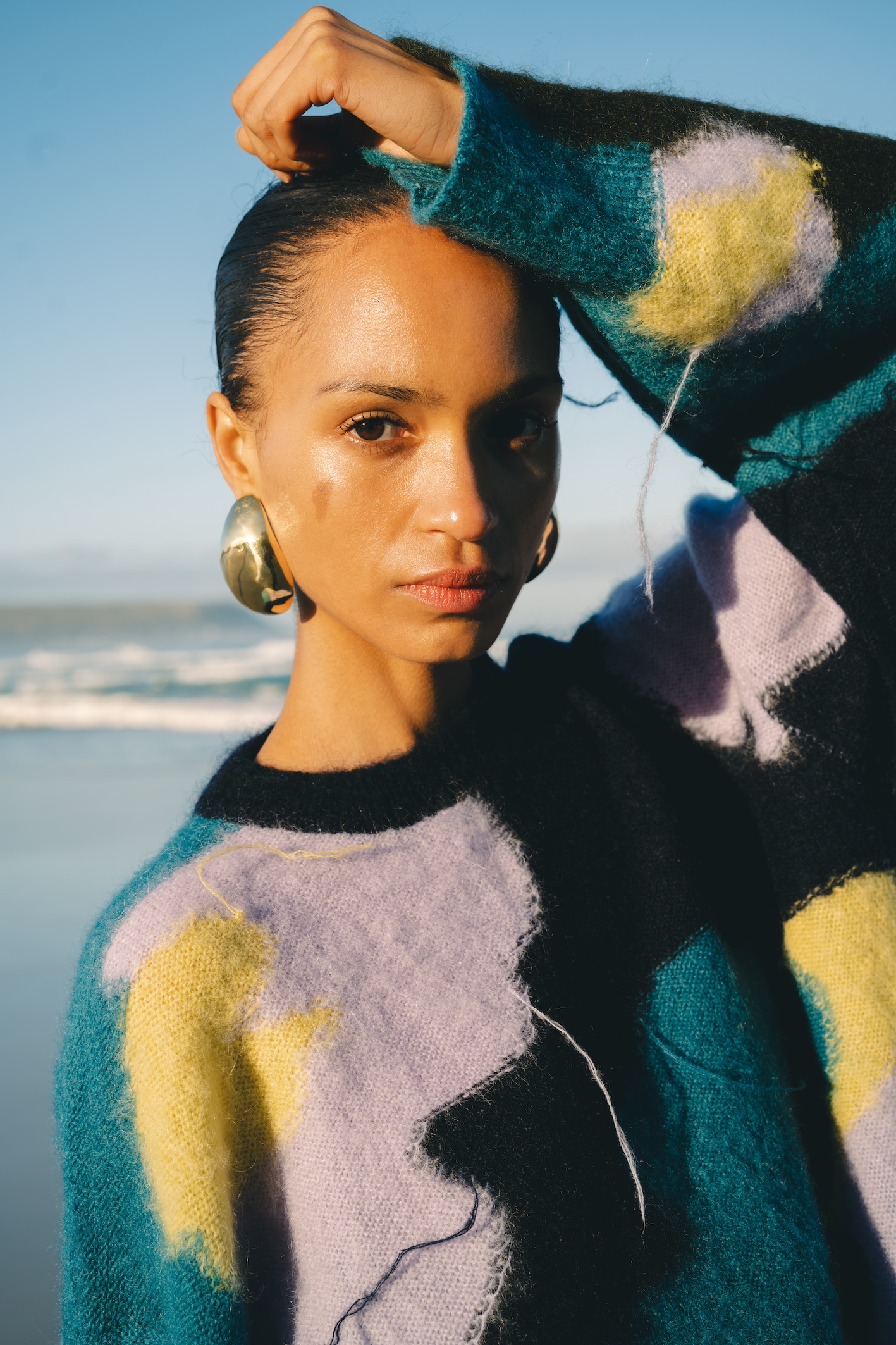
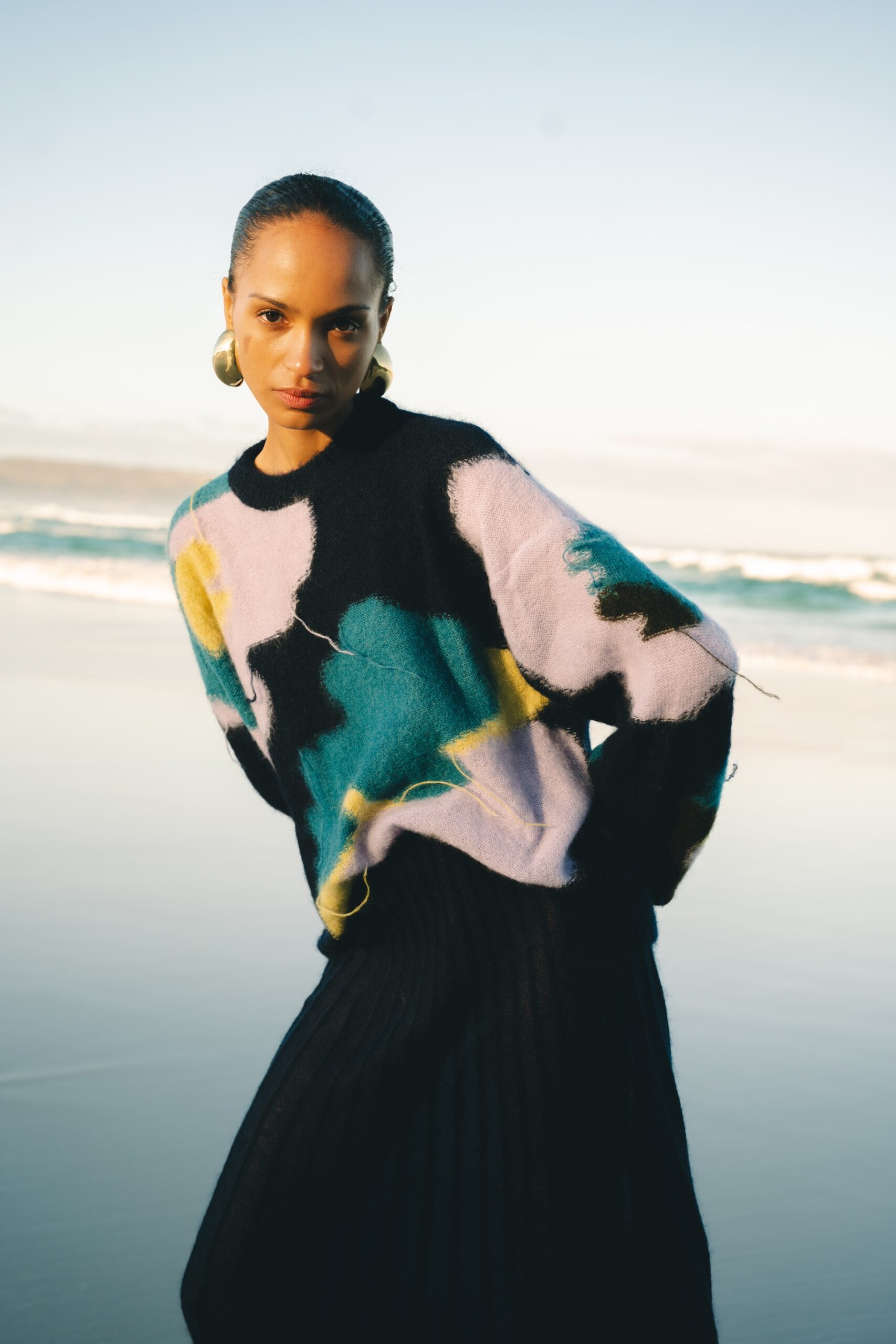
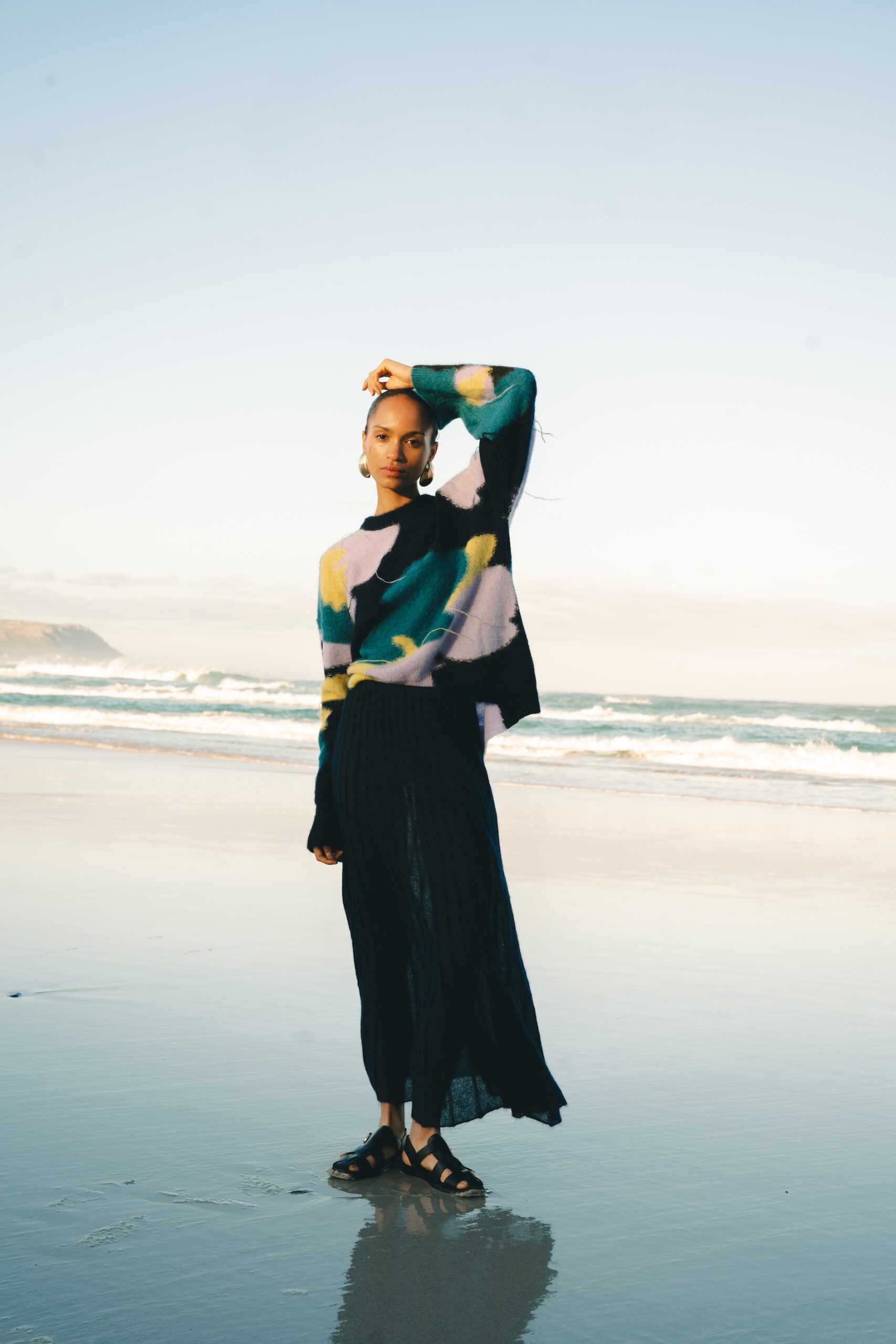

Programming a wide range of in-house machines, the team of six at Sophie Steller Studio experimented until they achieved the perfect design. Finally, they worked with experienced high-end knitting factories to get a professional finish to the garments that reflects the quality expected from this exclusive and luxurious fibre. But the crochet sections, Sophie says, were “designed and sampled in-house by hand using artwork and freeform crochet to build up unique patterns like a painting”.
Every garment tells a different story to highlight different ideas of the 20th-century art theme. Sophie’s studio looked at tapestries, paintings, florals, lace, blocks of colour, surface textures, blending colours and incorporating elements of artisanal craft. New techniques are combined with traditional ones, bringing newness and offering inspiration for seasonal developments.

For this collection, Sophie explains that the studio used sleeves to create volume and used accessories and hoods to create new dimensions. She adds, “The waist was important for belting, cropping, and to contrast volume with narrowing of the waist.”
The studio used length to maximise on expressing a strong colour message to achieve the ultimate in richness and vibrancy.
Due to the advancement of spinning technologies, mohair is more trans-seasonal than ever before and has earned a reputation similar to cashmere as a perennially important fibre for luxury knitwear. Sophie says that mohair is no longer seen as a bulky long-haired fibre and instead is valued for so many unique qualities.
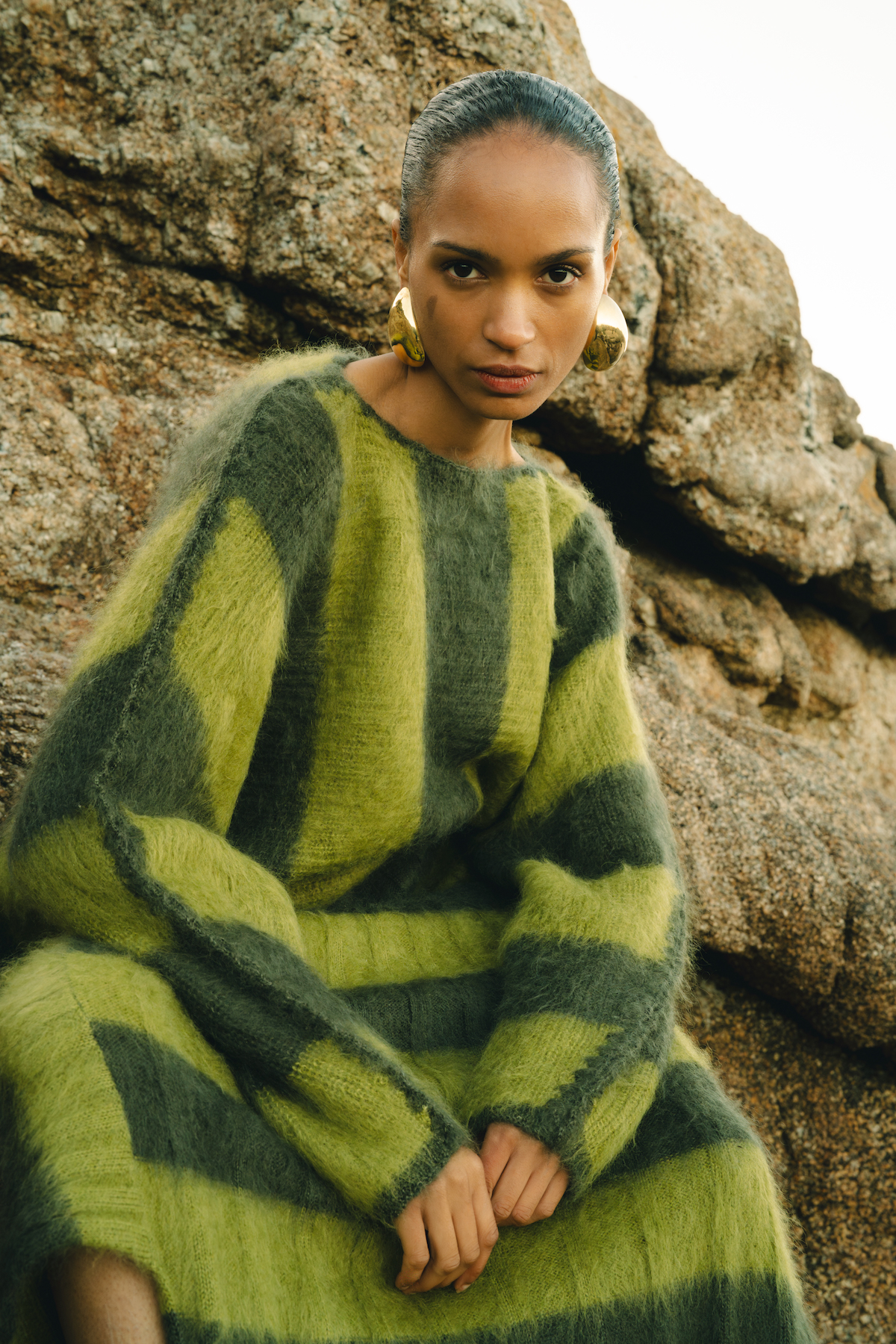
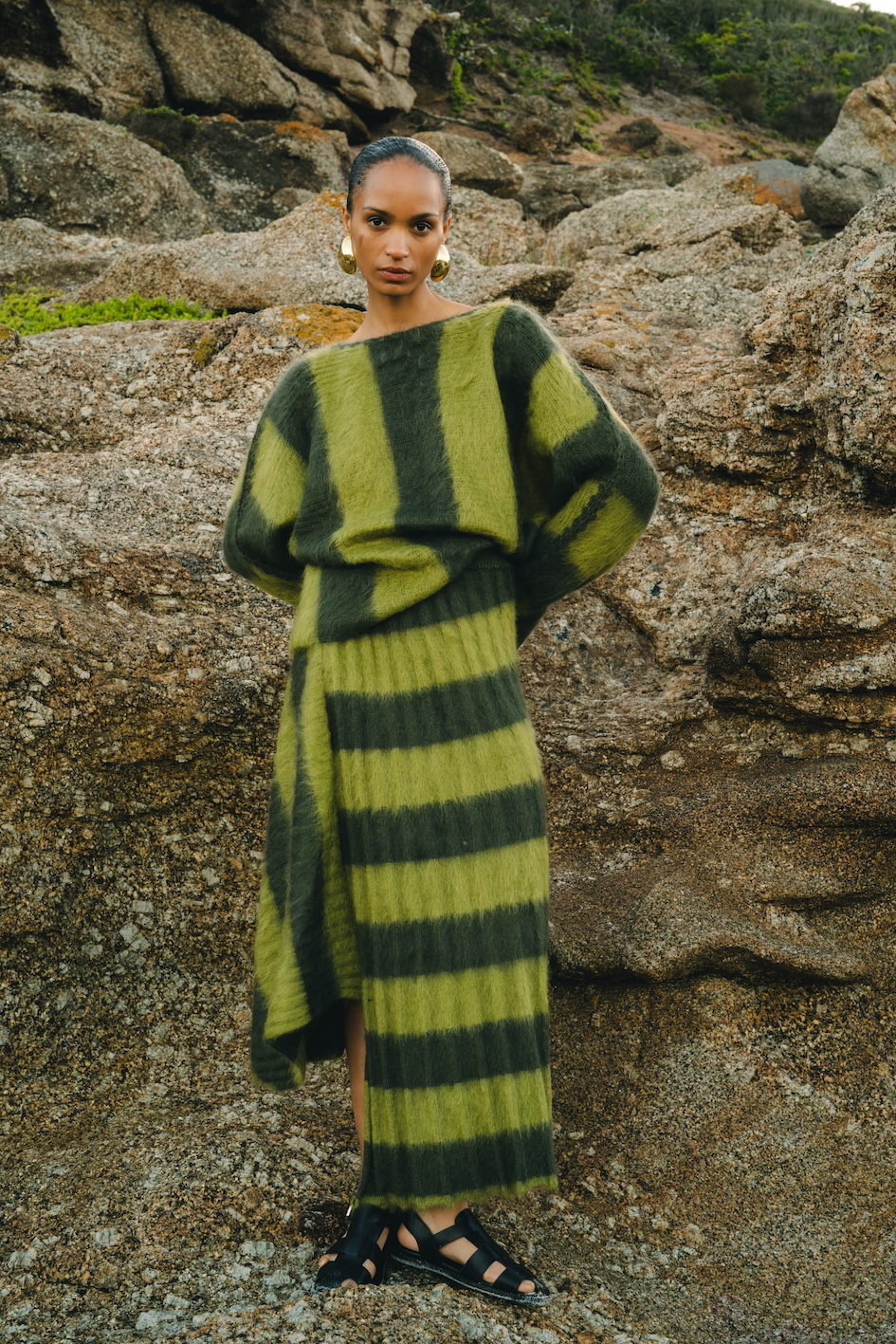
What makes mohair such a unique fibre? Sophie says it offers a lightness yet bulkiness that helps create a lofty softness where other fibres can feel quite dense. When brushed, the characteristic long hair of mohair gives it a luxurious lustre that cannot be created any other way. She adds, “Unlike other natural fibres that absorb the light even when they can achieve saturated colours, mohair reflects the light, so colours are more vibrant and shine. The only other fibre with this same quality is silk which makes them the perfect fibres to work together either blended or independently. “
Explaining her love affair with mohair, designer Sophie Steller says, “Mohair is a fire that simply sparks joy from every angle – the saturation of colour, lustre and vibrancy is unrivalled by any other fibre – it is feather light even in coarser gauges – and versatile to be used from casual to formal, blending beautifully with other noble and synthetic fibres to enhance its performance.”
Soft Landing features a collection where colour and creativity collide. Lauren says, “It is an inspiration to designers and brands to see mohair not just as a heritage fibre, but as a material that embodies natural performance, advanced knitting techniques, beauty, and sustainability.”

Mohair South Africa debunks mohair myths
Myth 1 Mohair is itchy.
Fact Mohair is one of the softest and smoothest natural fibres, with finer and less raised scales than wool. This gives mohair its signature lustre and a gentle feel against the skin. Fine micron kid mohair is primarily used for next-to-skin garments due to its exceptional softness.
Myth 2 Mohair is not ethically or sustainably produced.
Fact South African mohair is among the most responsibly produced natural fibres in the world. Our farms follow rigorous animal welfare and environmental standards under the Responsible Mohair Standard (RMS), ensuring animal well-being, fair working conditions, and sustainable land use.
Myth 3 Mohair is only for winter.
Fact Mohair’s unique thermoregulating properties make it suitable for all seasons. It’s lightweight, breathable, and naturally adjusts to body temperature, offering comfort in both warm and cool climates. Airy lace-weight mohair garments, in particular, are perfect for warmer months, providing a delicate, breathable layer without overheating.
Credits
This fashion editorial was sponsored by Mohair South Africa
Designer: Sophie Steller Studio
Production: Twyg
Creative direction and styling: Tandekile Mkize
Photography: Keith Virgo
Production Assistant: Larah Fisher
Models: Nondi Beattie (Boss Model Management) and Leigh Jansen (Circle Model Management)
Hats: The Real Crystal Birch
Jewellery: Kirsten Goss


