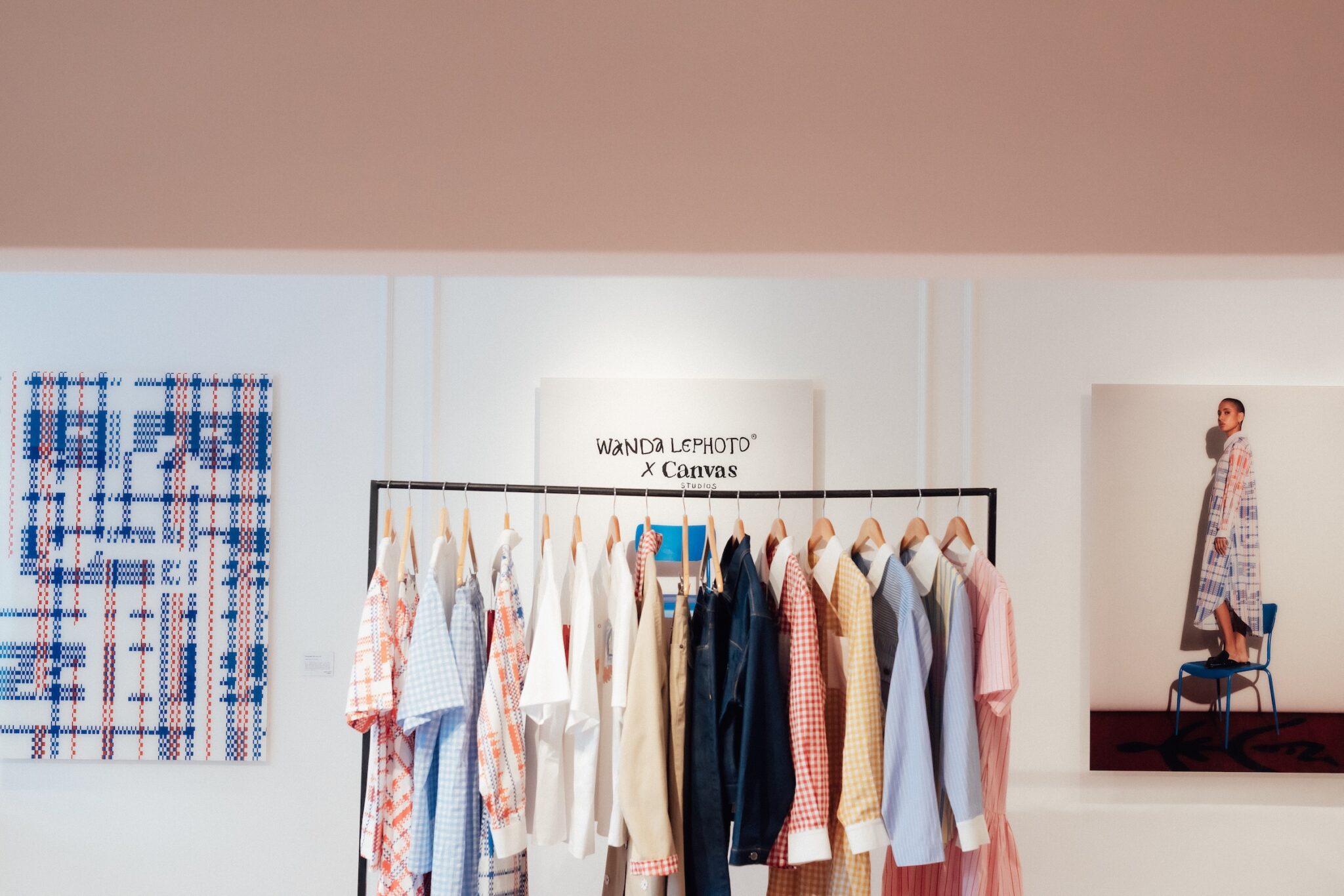
Winner of the Retail Award at the 2025 Twyg Sustainable Fashion Awards, Thrift Fest creates opportunities for circularity and sustainability through regular secondhand clothing markets. What began as a Facebook group in 2012 has bloomed into a travelling market for vendors to sell preloved, upcycled and reworked clothing.
“It grew quicker than I ever expected, and that’s when I realised how many people were looking for an easier, more accessible way to buy and sell pre-loved clothing,” says founder Laura Rainbird.
The market is now in its 14th year, and hosts as many as seven events a month at various venues across Cape Town. We spoke to Laura about what her events look like, how Thrift Fest supports its vendors, overconsumption in the world of thrifting, and more.


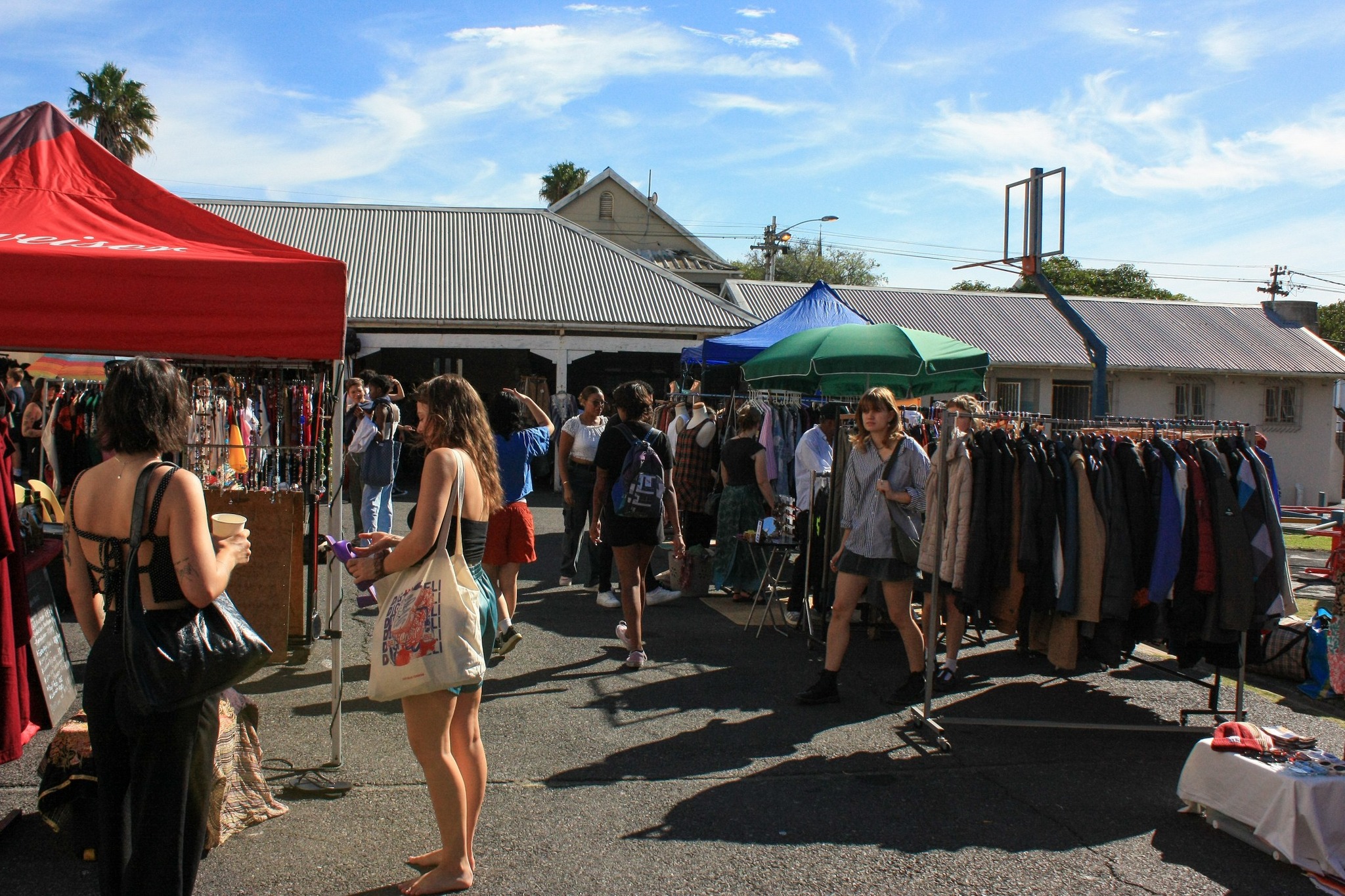
Thrift Fest takes place at various venues around Cape Town
How does Thrift Fest run?
It operates as a periodic, curated market rather than a permanent store. It brings together vendors selling second-hand, upcycled, and reworked clothing within a shared event space. By travelling from venue to venue across Cape Town, Thrift Fest aims to make thrifting more accessible to different communities and neighbourhoods.
In its early days, Thrift Fest functioned much like a traditional flea market – open to anyone selling pre-loved clothing. Today, we are more selective about both our vendors and venues. The focus has shifted toward thoughtful presentation, strong aesthetics, and unique pieces, while remaining rooted in affordability and accessibility. This balance allows Thrift Fest to stand apart as both a community-driven experience and a carefully curated retail environment.
Why is the Thrift Fest model so important in a South African setting?
For many thrift sellers, especially independents and side-hustlers, Thrift Fest is a low-barrier entry point. It offers real-world exposure, customer feedback, and sales experience without the overhead of a permanent store – often acting as a stepping stone to retail while still maintaining a sense of community.
Thrift Fest helps normalise thrifting as a lifestyle choice tied to creativity, individuality, and values and not just a budget. By making secondhand accessible in locations, we are growing the audience for reused clothing, thus creating a demand for repairers, stylists, upcyclers and even musicians. Thrift Fest doesn’t replace the second-hand ecosystem – it energises it.
How have you seen the market experience evolve over the years?
When we first started, the second-hand market was very much about people selling their own personal pieces. Since then, the landscape has shifted dramatically. More local thrift, vintage, and designer brands have emerged, and that has naturally influenced what’s available at our markets. Now, we see a focus on curated thrift pieces, and, as trends evolve, vintage brands are in high demand. Vendors who used to simply sell their pre-loved clothing are now adding their own flair: reworking items, and elevating simple garments into something unique – creating their own brand. The focus has shifted from just making a little extra pocket money to celebrating individuality, creativity, and style.
What do you think of the suggestion that thrifting now plays a role in overconsumption culture?
Thrifting has always been rooted in reuse and affordability, but the cheaper option can sometimes encourage overconsumption. It’s easy to leave a market with three bags of clothing you didn’t really need. Social media trends like thrift hauls have also amplified this.
When thrifting becomes professionalised and monetised, garments are treated more as inventory than as long-term personal items. Instead of adopting these values, we want to challenge them and focus on slow, local, intentional wardrobe building; by doing so, we will actively resist overconsumption.
What is the vendor selection process?
Vendors can reach out to us at thriftfest123@gmail.com with details of what they’d like to sell. We then share a list of upcoming events and recommend the best venue for their products. Once a venue is selected, we provide all relevant booking information. Throughout the process, we maintain open communication to ensure vendors feel comfortable and informed. We share venue rules, helpful guides, and marketing tips if needed, drawing from our own experience as vendors when we started.
READ MORE: Your guide to thrift stores in South Africa
To help vendors showcase their products, we sometimes offer photography support – such as styled product shots at markets – and organise fashion shows to highlight local designers. Some of our vendors also provide specials on stall signage to elevate your presentation, and we actively share each business that is part of the market on our social media pages.
What commitments do you make to your vendors and customers?
At Thrift Fest, we really want to make sure everyone – from our vendors to the makers and everyone involved – feels supported and valued. For our vendors, that means giving them an accessible platform to showcase their pieces and reach new audiences without the usual barriers or high costs.
Even though we curate our markets to focus on unique, standout pieces, we always respect each vendor’s creativity. Our goal isn’t to dictate what vendors sell, but to create a space where individuality is celebrated and imperfection is embraced. Beyond that, Thrift Fest is about community and sustainability – bringing people together to connect, share, and support one another.
Each market brings different commitments. We collaborate with both the venue and vendor to bring a vibrant market that values accessibility, affordability and community. Lastly, we know we can always do better. We listen to our vendors and stakeholders, we learn from each event, and we adapt. Thrift Fest is a space that grows with the people in it .
What does success look like for you and Thrift Fest?
Watching people grow. Seeing someone show up for their business, their art, or their idea – even when it’s hard – is incredibly rewarding. That’s when I feel like Thrift Fest has done its job. If it can offer someone a small push in the right direction, then I’m happy.
Looking ahead, in five to ten years, success wouldn’t be measured by size alone, but by impact: seeing vendors build sustainable businesses, designers using second-hand materials as a starting point rather than an afterthought, and thrifting becoming a conscious, everyday choice rather than a passing trend.
What would make it feel truly achieved is knowing that Thrift Fest helped shift how people think of clothing: buying less, choosing better, and valuing the stories and labour behind every piece.
- Images supplied by Laura Rainbird
- Follow Thrift Fest on Instagram and Facebook to find out about upcoming markets
- If you are interested in booking a stall at the next Thrift Fest market, email Laura at thriftfest123@gmail.com
- Twyg Sustainable Fashion Awards: Thrift Fest was a finalist for the Retail Award in 2021 and the winner in 2025