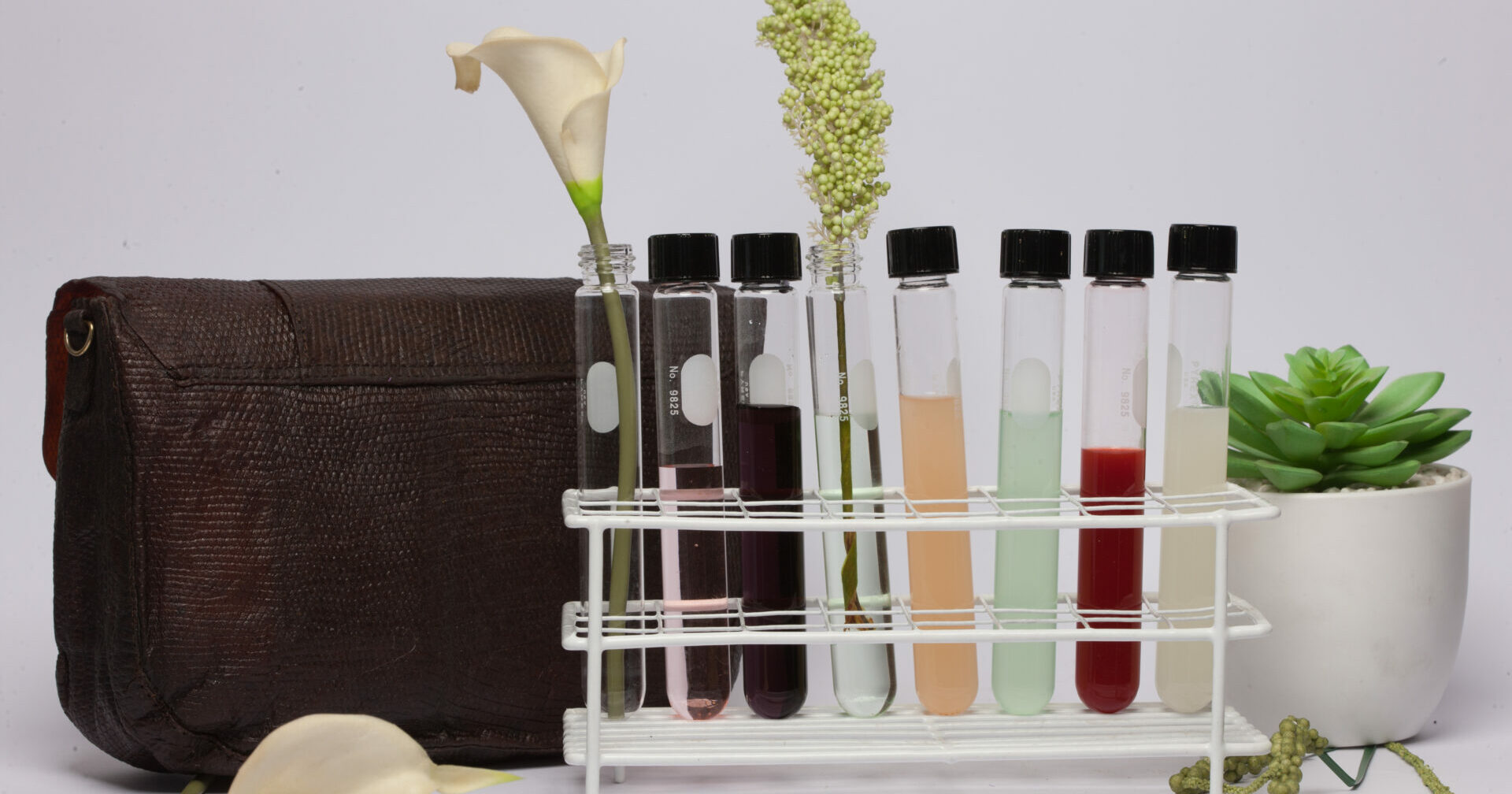

With an estimated 92 million tonnes of textiles being thrown away every year, the fashion industry urgently needs to transition to a more circular textile economy. In changing the way fashion is designed, produced, utilised, and what happens to it at the end of its lifecycle, we can create a fashion industry that is less wasteful and less harmful to the planet.
The Ellen Macarthur Foundation notes that in a circular economy, “clothes, fabric, and fibres re-enter the economy after use and never end up as waste. Achieving a new textiles economy will demand unprecedented levels of alignment. A system-level change approach is required and one which will capture the opportunities missed by the current linear textiles system.”
Below are five textile innovations that support a circular economy, have the potential to revolutionise fashion, and bring us closer to an industry that is more sustainable and kinder to the planet.
Galy
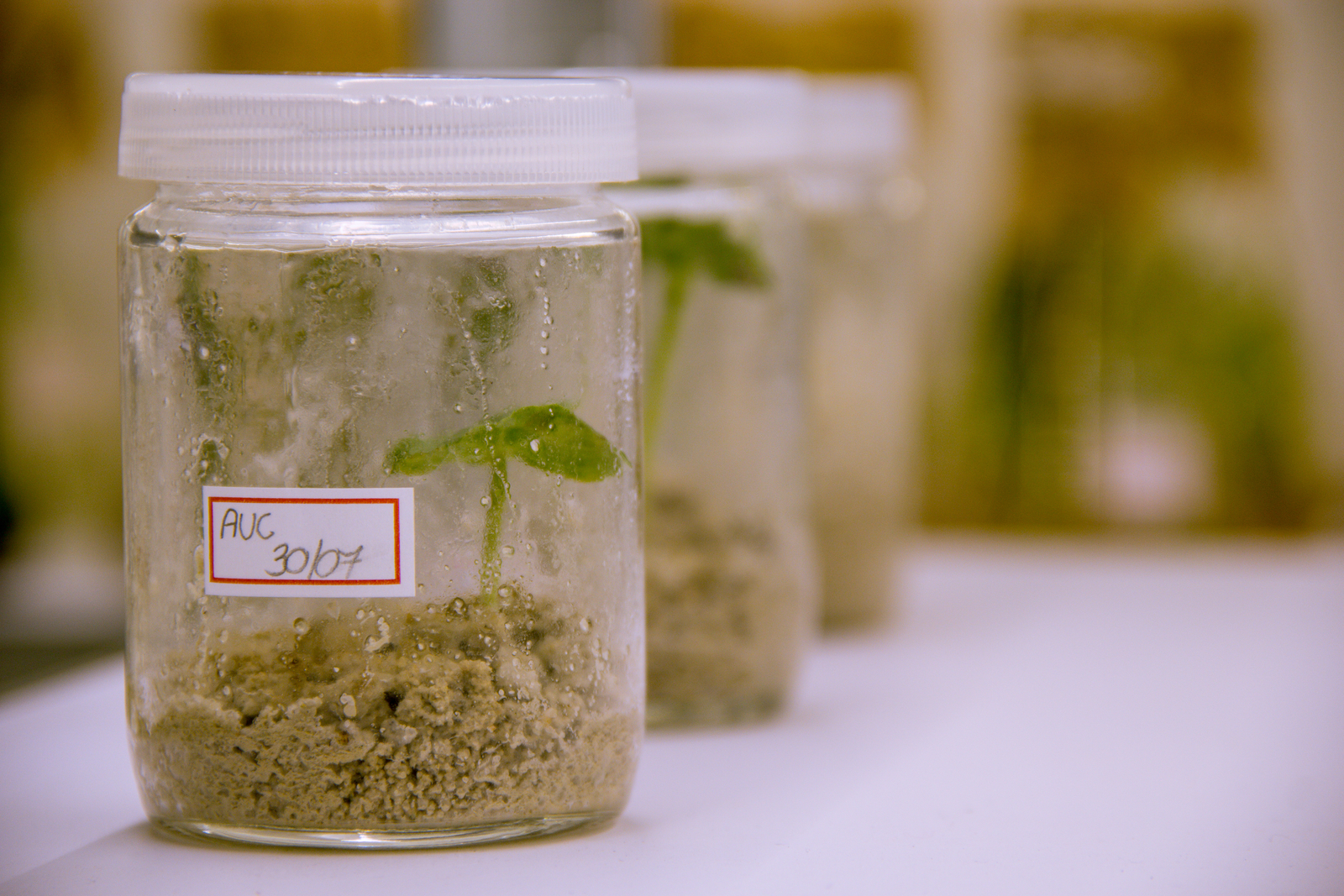
Despite cotton’s popularity, it requires a lot of resources, and takes a long time, to grow. Galy is hoping to make this process easier and faster by growing cotton in a lab instead of on a farm. Using stem cells from cotton plants, they are able to produce the cotton fibre, without growing the entire plant. Galy’s revolutionary technique is ten times faster and uses 20% of the resources compared to traditional, farm-grown cotton.
Lab-grown cotton is much faster to produce and can cultivate the transition to natural, biodegradable fibres. Biotechnology allows us to change the qualities of cotton, whether that’s naturally produced colours or texture changes – the possibilities are endless.
To learn more about Galy, click here.
Le Qara
Animal exploitation and extreme water consumption make leather manufacturing one of the most polluting industries.
Le Qara uses biotechnology to make material that is comparable to real leather in its look and feel so that we don’t miss the real thing. The fibre does not rely on animal products, but instead make use of Peruvian flowers and fruits.
The residue left from the production process is used as compost and the leather is 100% biodegradable, which ensures that the entire process is waste-free. Le Qara has the same versatility as real leather, but with the peace of mind of sustainability.
To learn more about Le Qara, click here.

Mango Materials
Another biotechnology innovation is Mango Materials’ biodegradable polyester. What sounds like an oxymoron, is a relatively simple solution – turning waste into something new.
Located near methane-producing factories, Mango Materials captures this harmful greenhouse gas as feedstock to produce a biopolymer. The biopolymer is then used to make a variety of fabrics or products.
Once the end product has been used up, the material enters a waste facility where methane is released and then reused to produce more material, creating an endless closed-loop system. This material also decomposes naturally, leaving no waste behind.
This innovation extends beyond fashion, from 3D printing to moulding, biopolymer is yet to be the new sustainable plastic.
To learn more about Mango Materials, click here.
Petit Pli
Every parent knows the struggle of buying clothes for your baby and them growing out of it before they even get to wear them. Petit Pli has created a solution to the universal struggle – clothes that grow with your children.
Inspired by the technology used for astronauts, Petit Pli uses an origami-type fabric construction that expands with the growth of your child. Made from mono-fibre polyester, the clothes are easily recyclable for disposal after use. While their main focus has been children’s clothes and maternity wear, they have extended their range to include adults too.
To learn more about Petit Pli, click here.

Samatoa Lotus Textiles
In addition to being the national flower of India, rich with cultural symbolism, the lotus’ soft, silky texture makes a great alternative to silk and linen. Lotus fabric is no new invention, but a century-old practice found in many cultures across South Asia.
Lotus stems are often discarded after the flowers are harvested . This textile uses these unwanted stems to create threads which are then spun into textiles. The process does not release pollutants and the finished product does not use toxic dyes or finishes, making lotus fabrics sustainable and cruelty-free.
To learn more about Samatoa Lotus Textiles, click here.
Creating circular textiles and decreasing our dependence on synthetic fibres, all of these brands are heading in the right direction. It’s just a matter of time until we see these innovations in our stores.
- Images from open sources.


