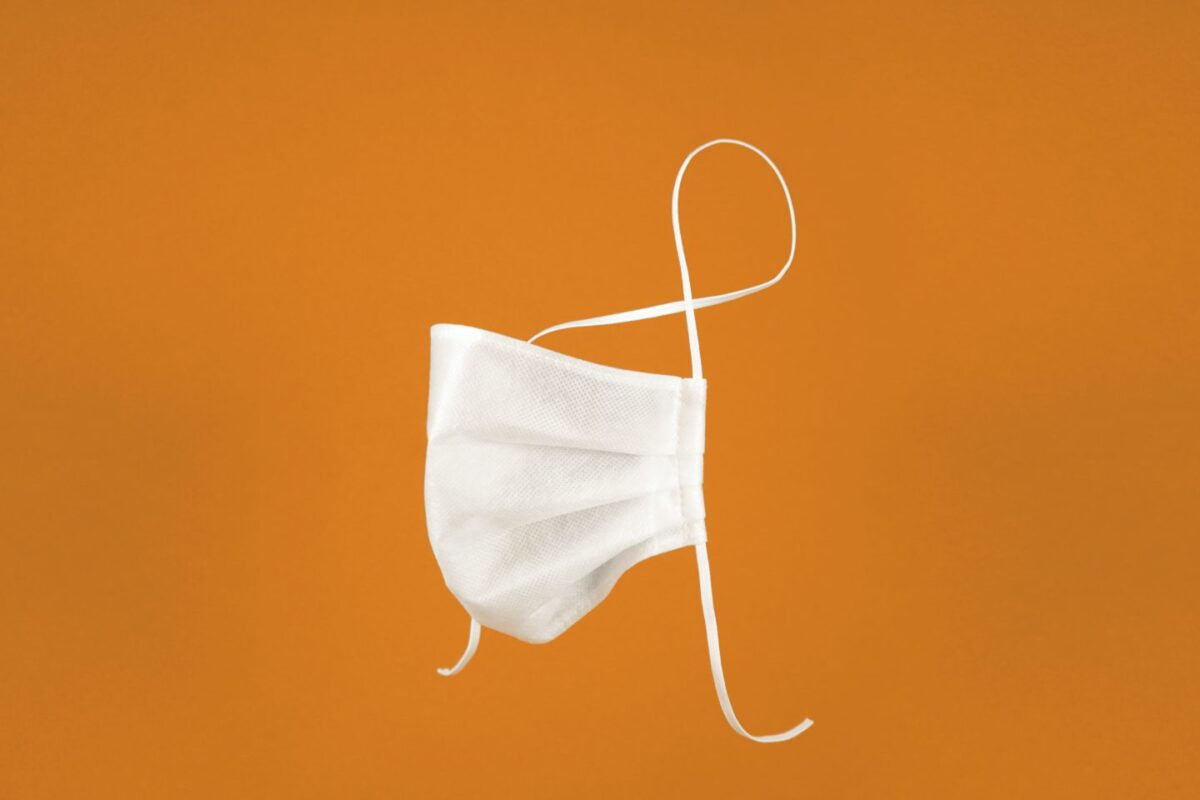

On Sunday 12 July President Cyril Ramaphosa told us that South Africa is among the top 10 countries with the most COVID-19 cases in the world. He pleaded with us to take care, and reminded us that it is mandatory to wear a mask when we leave our homes.
But, we know that not everyone can find or afford to buy a mask.
For Mandela Day, we want to draw attention to designers who are donating masks to people in need. And, we’d also like to ask people to donate to our Give To Make campaign. For every R100 donation, we can make 5 masks. Thanks to our readers, we have made almost 2000 masks for communities in Khayelitsha, but we need more.
Buhle Booi who works for a Khayelitsha CAN [Cape Town Action Network) says, “We are still very much in need of masks, particularly for eThembeni and Qandu-Qandu communities”.
In this article you will find a non-exhaustive list of sustainable apparel brands in South Africa who recognise their responsibility to give back through properly made masks that are made to prescribed government standards.
We distribute as we make because the virus cannot wait for us
1. Maxhosa
https://www.instagram.com/p/CCamS6qjolZ/
Modern Xhosa-inspired knitwear designer and brand Maxhosa is designing masks with his signature Nguni patterns.
With a portion of Maxhosa mask sales, the brand is buying and giving away low-cost, government-compliant fabric masks to people who can’t afford or access them.
- Cost: From R600.00
- Find out more here
2. Rich Mnisi
https://www.instagram.com/p/CA4fPOHFChK/
Contemporary fashion designer Rich Mnisi launched his Azania Face Mask range over a month ago. Staying true to the brand’s belief in family and indigenous knowledge throughout the production process, the Azania masks have been produced by a group of local women who imparted their knowledge throughout the production line.
A portion of the proceeds go towards supporting local charities affected by Covid-19. This is done under @thoughtsofficial_rm, which is an initiative Rich launched under their umbrella in 2019 to carry their philanthropic projects.
To kick the process off, the fashion brand donated over 100 masks from the Azania range to a residential facility located in Bronkhorstspruit within Sizanani village for children and young adults with moderate to profound intellectual and physical disabilities.
- Cost: From R399.00
- Find out more here
3. African Fashion International
https://www.instagram.com/p/B_z6OgqgK8o/
In their commitment to help stop the spread and flatten the curve, platform for African Luxury Fashion, AFI founded by Dr. Precious Moloi-Motsepe, has worked tirelessly with local designers and suppliers to produce and donate masks to those most in need around the country.
AFI supports local textile workers with business continuity while contributing to the health and wellness of the community through the creation of a face mask portal which allows the public to
donate a face mask to an NGO of your choosing.
Bulk purchases of public masks are available on the AFI online campaign page
- Cost: from R250.00
- Find out more and donate here
4. The Sewing Café
https://www.instagram.com/p/CASd3dFn3ly/
This community sewing project in Masiphumele has kept staff employed by making masks under stringent hygiene conditions. It’s paying members who would normally travel by public transport to stay at home. Those who can walk to work are making masks and have made more than 1000 masks for old-age homes and people in need.
As well as generating income for staff, The Sewing Café is donating funds to Thembalabantu Sports foundation. If you wish to buy masks to donate to the foundation, the café will deliver to people in Masiphumelele and Ocean View who need them.
- Cost: The pleat mask R120 for 5 masks; The fitted mask R150 for 5 masks; The kids mask R80 for 4 masks
- Find out more here
5. The White Light Movement
https://www.instagram.com/p/B_NVhEFHu81/
Fashion designer and entrepreneur, Gavin Rajah has launched an NPC called The White Light Movement.
The masks are made with durable, three-layer fabric with zany African prints. Their face masks are made from three-layer, durable poly-cotton fabrics by the women they support through theNPC who have been victims of gender-based violence and abuse.
Purchasing one of their masks does not only help support these women but it also helps us provide food produce to vulnerable communities.
- Find out more and donate here
6. Mungo
https://www.instagram.com/p/CAc31TNJ47i/
Mungo’s double-cloth masks are woven on Mungo’s Dornier looms, and have a soft cotton face and using hundreds of metres of unused Bucatto Blue linen for the backing. Double cloths make use of a unique weaving technique in which two cloths are woven simultaneously on one loom. Each side maintains its own structural integrity and can be identified as two distinct fabrics.
For each natural fibre fabric mask sold, Mungo donates one to someone in need. The non-surgical grade masks are prepared, packed and sewn in the Mungo Mill in Plettenberg Bay.
- Cost: R250.00
- Find out more here
7. WREN
https://www.instagram.com/p/B_wrfrJJrLd/
Socially responsible and eco-conscious brand, WREN, creates bags and electronic device covers using recycled cement packaging paper. WREN is making paper masks with special antimicrobial coatings, layered fusings and design details.
The Classic Paper and Cotton Face Mask is double layered with paper on the outside and brushed cotton on the inside for comfort. WREN have also shared their folding patterns on their Instagram page so that you can grab a piece of paper and quickly fashion one if you forget yours at home!
- Cost: From R120.00
- Find out more here
8. CoralBloom Mask
https://www.instagram.com/p/CBDbnGcJiFt/
Coral Bloom is making cotton face masks with Fynbos botanical art by Ann C. Jooste. The mask is made up of three protective layers: an outer layer, soft printed 100% cotton; middle layer, non-woven, breathable filter fabric; inner layer, soft white 100% cotton. There is some integration to ensure a comfortable fit around the nose.(One size fits all.
Five percent of sales goes to local non-profit Fynbos LIFE to support local job creation and promote indigenous flora.
- Cost: From R95.00
- Find out more here
9. House of Lucent
https://www.instagram.com/p/CCYqdnUpbJY/
Cape Town-based slow fashion house, House of Lucent uses off-cuts from production to recreate face masks. For every fifth mask sold, House of Lucent donates masks to Twyg’s #GiveToMake mask campaign.
- Cost: From R80.00
- Find out more here
10. Ballo
https://www.instagram.com/p/CAks9fgJxZm/
Cape Town’s carbon neutral sunglasses and fashion brand is making washable, fabric masks, giving away one mask to someone in need for every mask purchased online.
The masks are made from end-of-roll cotton fabric, are comfortable to wear and look great. The new version has a gap in the bottom through which you can fit a filter for added protection.
Ballo has donated more than 300 masks to the Cape Town Business District Can for vulnerable people. The masks are distributed with instructions on how to safely use and clean them.
More recently, Ballo has decided to drop mask prices and teamed up Khayelitsha CAN to feed one person for one week for every mask purchase with donations of food boxes.
- Cost: From R85.00
- Find out more here
11. Sindiso Khumalo
https://www.instagram.com/p/B-F4Fk-DNhb/
Sustainable textile designer based in Cape Town, Sindiso Khumalo has set up IMIZAMO YETHU X SISTAHOOD fundraiser campaign through GoFundMe in a bid to ‘mask a community’.
- The campaign raises money to provide protective packs of face masks, alcohol hand sanitisers and food parcels for women in need in the Imizamo Yethu township in Hout Bay, Cape Town.Find out more and donate here
12. Sam & Seb Sandpit Couture
https://www.instagram.com/p/B_pKQ_hpXiZ/
Born in Brooklyn, New York almost twenty years ago, Sam & Seb settled in Salt River, Cape Town, where owner Amanda Williamson recently turned her attention from funky children’s clothing to mask-making using local African cotton and Congolese wax print from off cuts, old season and donated fabric.
For every ten masks sold, two are donated to the community via TB/HIV Care Organisation, Masiphumelele Creative Hub, Ladles of Love, the Observatory-based Development Action Group and the Goodman Gallery CAN. Shoppers can buy extra masks that Sam & Seb will donate to its partner organisation.
- Cost: From R50.00
- Find out more here
13. imadethat.studio
https://www.instagram.com/p/B_xAxYXpKBW/
Sewing eco-friendly products using fabric off-cuts, Cape Town-based store imadethat.studio has collected 382,7kg of fabric so far to produce fabric face masks which they donate to local hospitals.
You can purchase a reusable face mask for yourself, produced entirely from fabric off-cuts, or you can #sponsoramask which imadethat.studio will donate to New Somerset Hospital, Green Point.
14. plasticity.
https://www.instagram.com/p/CAxD40PpaG7/
plasticity. is a bespoke upcycling company that makes vanity bags and clutch bags from locally sourced waste plastic based in Graaff-Reinet in the Eastern Cape was founded by Tessa O’Halloran in 2017.
plasticity. is making a three layer face mask composed of two layers of cotton and an inner layer of organic hemp.
Buying a mask from plasticity. includes a donation to relief organisations. A portion of each sale goes towards donating a mask to someone in need. Alternatively, when you buy their masks in-store, you have the option of marking it as a donation at checkout.
- Cost: From R85.00
- Find out more here
15. Klipadenim
This Joburg-brand was one of the first mask-makers on our radar. It quickly created a safe space for 25 employees to keep our country safe. They are making masks for both civil servants and the general public. Klipadenim have also sponsored masks to women who have been delivering food parcels to people in need. Most recently, Klipadenim is raising funds via backabuddy for scrubs and masks for the nurses working in Hellen Joseph Hospital in Johannesburg. “It is so important that we all support each other and give back where we can during this scary time.”
- Cost: R65.00
- Find out more here
16. AnTG Ekasi bags
https://www.instagram.com/p/B_ns3hyDspa/
Since the lockdown began in South Africa, creative art designer and co-owner of AnTG Ekasi bags clothing, Abass Ma-azu took the opportunity to give back to the community by making masks for free distribution. AnTG Ekasi started a campaign with “a mission to save 10,000 lives.” Starting in Guguletu, to date Abass has handed out 1,450 AnTG Ekasi colourful face masks. Mask are made from three layers of re-washable and iron-durable fabric. “We distribute as we make because the viruses can not wait for us,” says Abass.
- Find out more here
17. Sealand Gear
https://www.instagram.com/p/CANojFMpx4l/
Upcycled bags and apparel brand, Sealand Gear are making masks
from an organic hemp/cotton blend, a middle hydrophobic PET non-woven filter, and a signature inner layer of upcycled advertising banner.
The side components are made from upcycled neoprene offcuts from the production of wetsuits. The combination of these materials is breathable, resistant to water droplets and damp buildup, and soft against your skin.
The tailored style is available in three sizes and for every one ‘Sealander Mask’ that is made, Sealand donates one Simple Mask to the Courage Initiative – A Covid-19 Community Response group which helps to feed the hungry and ensures every Hout Bay resident can eat during and after the crisis.
- Cost: From R280.00
- Find out more and donate here
18. Twyg #GiveToMake
https://www.instagram.com/p/B_zCtfFJTpG/
You can also help donate masks to those in need via Twyg’s #GiveToMake mask campaign where each mask costs R20 to make. Twyg needs to raise R40400 to buy 2020 masks. Your donation will help support the fabric of our society – by paying small businesses to make #masks4life during Covid-19. Twyg will supply two cloth face masks to each recipient, with instructions on how to use them.

- Find out more and donate here
Disclaimer: All the masks mentioned above are NOT medical grade masks, but act as a preventative measure to minimise face touching and the spread of contaminated droplets, but must still be used in conjunction with social distancing and stringent hygiene practices.
*There is ongoing research that shows masks help limit transmission via coughing or sneezing of symptomatic and asymptomatic individuals, face masks have become a wardrobe staple.
*Masks should be washed in warm soapy water and ironed before first use after every use.
*Images: Matthias Heyde / Unsplash


