WOTE: K.I. Design
WOTE K.I. Design is a Ghana-based fashion collective founded by Renée Neblett and Esi Ellen Otoo. Working within the Kokrobitey Institute, WOTE demonstrates how African craft, weaving heritage, and botanical dyeing can meaningfully shape the future of sustainable fashion. The brand transforms textile waste – from factory offcuts to post-consumer garments. By integrating circular design, natural dyes, and decentralised production, WOTE celebrates ancestral wisdom, community empowerment, and a regenerative approach to making.

Features
Resources and materials
- Works primarily with repurposed textiles, including T-shirts, denim, fleece, men’s shirting, and factory offcuts
- Post-consumer waste sourced from the Kantamanto Market in Accra
- Incorporates natural fibres such as sisal and plant-based dyes from turmeric and kola nut
- Follows the 2020 7-0 quality control standard for bulk production
- Production manager is GSD-certified
Making and manufacturing
- All production takes place at the Kokrobitey Institute or through decentralised, home-based makers
- Artisans collaborate directly with the institute through residency-style programmes and workshops
- The Esi Sweater production model allows women – especially mothers – to work from home
- Handcrafted processes include traditional weaving, botanical dyeing, and panel construction from fabric remnants
- Minimal-waste methods: buttons, small offcuts and damaged fabric are repurposed into closures, embellishments, woven panels or new textile strips
Social and cultural
- Built on a decentralised business model that empowers local communities through education, craft training, and income opportunities
- Social entrepreneurship programme teaches regenerative design, traditional crafts, and textile innovation
- School immersion programmes foster early appreciation of cultural heritage and sustainable production
- Artist residencies bring global designers to collaborate with local artisans and share skills
- Honours traditional Ghanaian knowledge systems, including kente weaving and botanical dyeing
Product and design
- Designs consider environmental impact, cultural preservation, and social empowerment
- Incorporates artisanal elements, including kente weaving, botanical dyeing, batik, and handwoven textile strips
- Signature Esi Sweater is made entirely from waste textiles, using handwoven strips crafted from tiny offcuts
- Durability ensured through careful material selection, thread-strength testing, and repeated wash testing
- Circular processes prioritise waste diversion; no new materials are produced for current collections
- Natural dyeing methods ensure garments remain biodegradable and non-toxic
- Each piece is unique, handmade, and valued as wearable art, extending its lifespan and desirability
Packaging and distribution
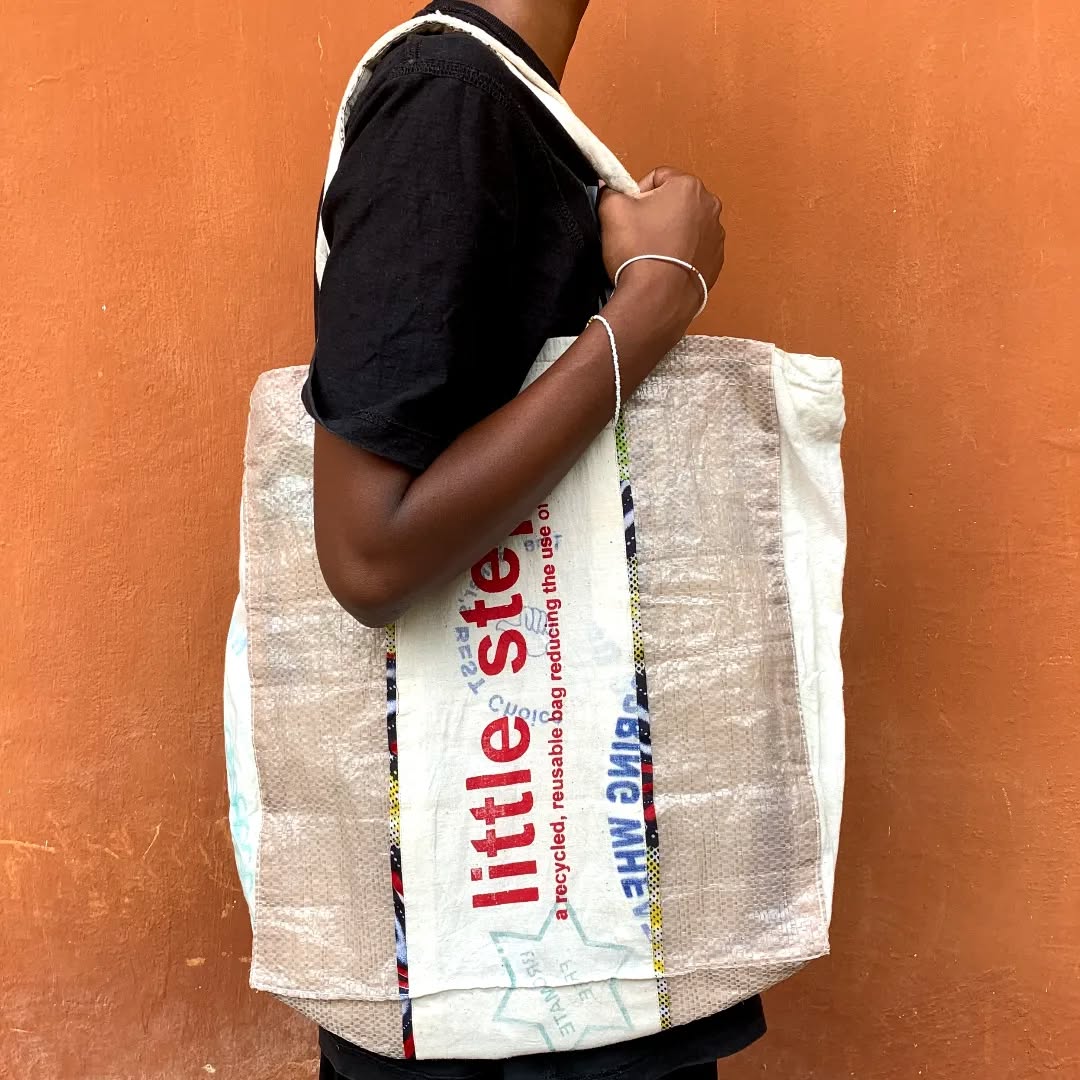
- Packaging uses regenerative, locally sourced materials such as paper, newspaper, wheat and rice sacks, and flexible reused materials
- Supports local markets through community-sourced packaging
- All pieces are sold directly from the Kokrobitey Institute or through pop-up events in cities including Chicago, Berlin, Washington DC, Boston, New York, Santa Fe and Lisbon
Merchants Pan-African Twyg Award 2025 winner